
















wuthering heights movie Sparks Controversy Over Tone, Casting and Fidelity

Emerald Fennell’s provocative new adaptation of Wuthering Heights opened for preview screenings on Feb. 13 and hit wide release the weekend of Feb. 14–16, ET, and has immediately become a cultural flashpoint. Audiences and reviewers are split between rapturous reactions to the film’s glossy erotica and sharp critiques that it strips away the novel’s moral and emotional darkness.
Critics say the film smooths the novel’s edges
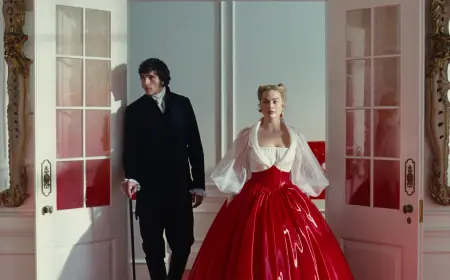
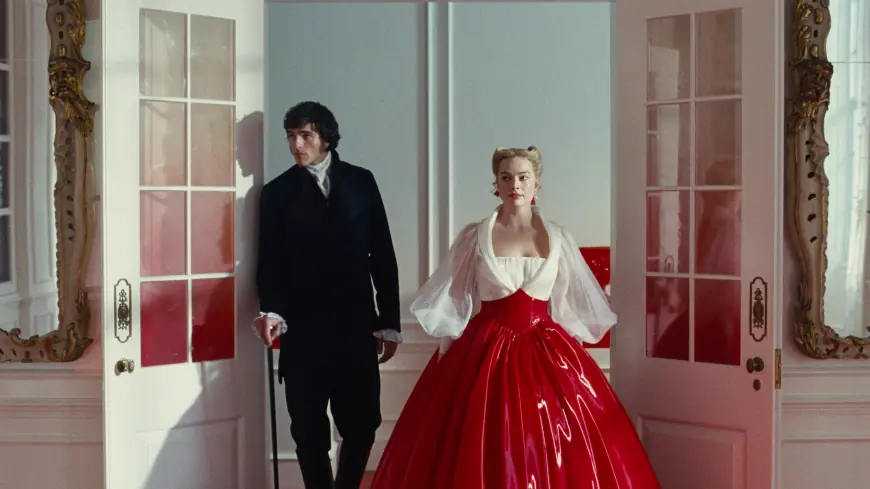
Many critics walking out of the film praised its audacious production design and committed central performances, but a persistent thread of complaint centers on what the movie removes. Reviewers note that the adaptation plays up a sensual, fetish-inflected aesthetic—rooms that suggest flesh, latex costuming, and a modern pop-infused soundtrack—while downplaying the brutal, morally ambiguous core that made Emily Brontë’s novel unsettling and enduring.
At its best, the film is stylized and immediate: Margot Robbie’s Catherine and Jacob Elordi’s Heathcliff are presented as cinematic heartthrobs, and several viewers have celebrated the casting and chemistry for delivering a visceral, late-night-romance energy. At its worst, critics argue, the characters are softened into tragic lovers rather than the feral, destructive pair who ruin lives and perpetuate trauma through generations in the book. That neutering, they say, sacrifices the very contradiction that powers the original story—love that is at once sublime and corrosive.
Filmmaking choices have also been singled out. Fennell frames this version as a fantasia rather than a scene-by-scene adaptation, collapsing timelines and favoring visual shocks over the novel’s layered narrators and psychological intricacies. For some, that makes the film accessible and cinematic; for others, it renders the story sentimental where it should be unsettling, trading literary strangeness for surface glamour.
Audience reaction, casting and cultural debate
Audience response has been vivid and varied. Private screenings drew enthusiastic crowds who cheered intimate moments and praised the movie as a modern, sexually frank take on a classic. Social screenings around Valentine’s Day created a meme-ready buzz, particularly among younger viewers who responded to the film’s pop-cultural styling and star power.
But enthusiasm sits alongside controversy. A recurring criticism concerns the portrayal of Heathcliff: many observers point out that the character’s racial ambiguity in the novel has been historically significant, and some are troubled by the decision to present Heathcliff as a conventionally handsome white leading man. That decision has reignited larger conversations about representation in literary adaptations and the responsibilities filmmakers face when reshaping canonical characters.
Another concern is the film’s treatment of abuse and coercion. The source material contains stark depictions of domestic cruelty and psychological manipulation that critics argue are essential to the novel’s ethical complexity. By sanitizing or aestheticizing those elements, the film risks romanticizing dysfunction rather than interrogating it, which has left some viewers uneasy.
At the same time, defenders of the adaptation say a director has artistic license to reimagine a century-and-a-half-old text for contemporary audiences. They argue that the film’s heightened visual language and modern soundtrack are deliberate tools to refract the story through a different cultural lens, not a betrayal of the book.
Whatever side audiences take, the film’s rollout has already sparked more than casual chatter. Conversations about faithfulness, casting, and how to bring canonical novels to the screen are likely to continue through awards season and into classrooms where the book remains assigned reading.
For now, the wuthering heights movie has achieved what all strong adaptations aim for: it has forced people back to the source, and it has provoked a wider conversation about what we expect from cinematic translations of beloved but unsettling literature.