

























netanyahu Under Fire as Former Leaders and U.S. Allies Warn of Long-Term Damage

Israel’s political direction is provoking fresh controversy both domestically and among key American constituencies. Critics argue that hard-line policies in the West Bank and Gaza risk isolating the country, undermining U. S. interests in the region and fracturing Jewish institutions abroad. At the same time, revelations about a prominent former prime minister’s relationship with Jeffrey Epstein have added an unexpected and distracting element to the debate.
Critics Sound Alarm Over West Bank Policy and Broader Consequences
Senior figures and analysts have escalated their warnings about the government’s trajectory, saying aggressive settlement expansion and moves toward annexation threaten more than local stability. The argument put forward by several observers is stark: a course that seeks permanent control over Palestinian populations without extending political rights risks turning the state into an international pariah and eroding moral and strategic ties with longtime allies.
Those concerns extend to U. S. foreign policy. Officials in Washington remain preoccupied with Iran’s missile and nuclear capabilities, but critics contend that a focus limited to that threat would ignore how provocative settlement policies can inflame the broader region and complicate American diplomatic and military objectives. These critics also warn that the trajectory could accelerate a realignment in U. S. domestic politics — particularly among younger voters in both parties — who are increasingly uncomfortable with policies they view as denying equal rights to Palestinians.
Polling cited by commentators shows a notable shift among younger Republican and Democratic voters: a substantial share of voters under 45 express openness to candidates who would consider reducing arms transfers or reassessing traditional support, a development that could have lasting implications for Washington’s posture toward Israel.
Domestic Political Fallout and the Barak Revelation
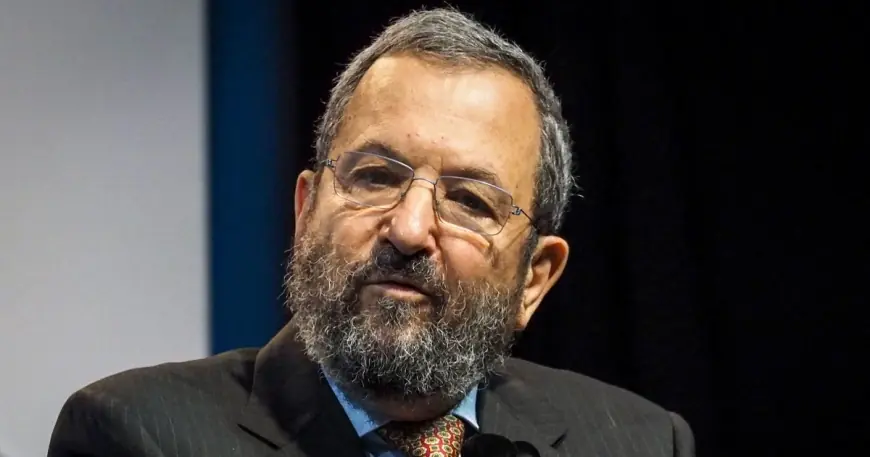
The debate is complicated by high-profile domestic controversies. Former prime minister Ehud Barak has publicly apologized for his long acquaintance with Jeffrey Epstein, saying he regrets having known the financier and expressing remorse for any discomfort that relationship has caused. Documents recently released by U. S. authorities that detailed Epstein’s contacts with global elites have placed renewed scrutiny on political figures with prior ties to Epstein.
Barak’s apology comes after long involvement with Epstein that included visits and regular correspondence, though Barak says he never witnessed inappropriate behavior. The revelation is politically salient because Barak was once a prominent critic of the sitting government and has previously sought a political comeback aimed at challenging current leadership. His own troubles complicate messaging from the anti-government camp: while some former officials press hard on human rights and legal concerns tied to settlement policy, their credibility can be undercut by separate scandals.
The juxtaposition of these two threads — a forceful critique of government policy and a damaging personal controversy involving a former leader — underscores the messy nature of Israel’s current political moment. Opponents of the government say the stakes go beyond immediate policy disputes, warning of long-term damage to Israel’s standing and to Jewish communities abroad who may face growing pressure to take sides.
What This Means for U. S. -Israel Relations and Diaspora Communities
Observers note that erosion of bipartisan consensus in the United States would be the most consequential outcome. If public opinion among younger Americans continues to shift, U. S. support could become conditional in ways that would alter military aid, diplomatic cooperation and strategic calculus in the Middle East. Critics fear that an emboldened settlement agenda could drive wedges within Jewish organizations worldwide, forcing communal institutions and families to navigate painful choices about allegiance and identity.
For now, the debate remains active and unresolved. Senior voices on both sides continue to press their cases — some warning of diplomatic fallout and an apartheid-like future if current trends continue, others defending security and historical claims. The additional distraction of misconduct revelations tied to a prominent former leader only heightens political tensions at a moment when clarity of purpose and credibility matter most for both Israeli governance and its relationships abroad.