























winter olympics curling cheating: Canadian teams on the defensive after heated accusations

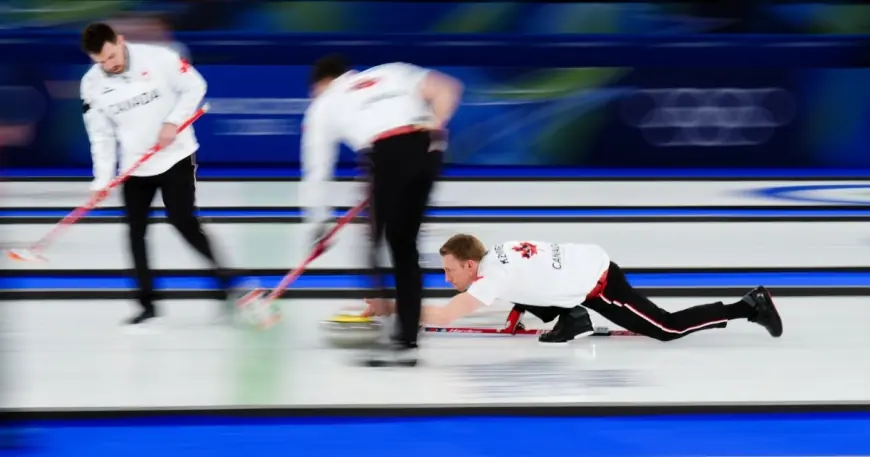
What began as a tense exchange on the ice has become a larger reputational headache for Canadian curling. Over the weekend, accusations of a rule breach triggered an expletive-filled confrontation, denials from those accused and renewed debate at home about sportsmanship in a sport that prizes etiquette.
What happened on the ice
The controversy started on Friday (ET) when a Swedish player accused a leading Canadian curler of "double-touching" — touching the stone a second time after the initial release. Video of the moment circulated widely, showing an apparent finger contact with the rock after delivery and sparking a heated back-and-forth between the players that included foul language.
The Canadian involved later said he "probably could have handled it better, " but defended standing up for his teammates and himself. "I've curled my whole life, never once with the intention of getting an advantage through cheating, " he added. He also suggested his squad might have been the target of a "premeditated" attack by opponents.
The following day, the women's team captain faced a similar accusation. Both players have denied any intent to gain an unfair edge. The sport's governing body issued a verbal warning for the use of profanity but did not formally charge either athlete with cheating.
Reaction across Canada and inside the curling community
The episode cut at the core of how many Canadians see themselves and their athletes. Fans and casual observers voiced disappointment and concern that an incident like this could tarnish the reputation of a sport long associated with fairness and civility.
"It's a sad day for Canadian sport, " said one fan from Alberta. "Integrity in the sport is important, even if you have to call it on yourself. " Another person from Ontario remarked, "As Canadians, we aren't supposed to do these things. " Others warned that without sportsmanship, competition loses much of its meaning.
Inside a longtime curling club in Montreal, reactions were more layered. An instructor acknowledged the publicity could spark new interest in curling while stressing that the rules must be observed. "Do I think [the player's] finger affects the rock? No I do not. Do I think we have to play within the rules? Yes, " the instructor said, underscoring the tension between interpretation and intent.
The row has left national teams fending off questions about tactics at a moment when Canada is expected to be a standard-bearer in the sport. Players showed visible emotion during matches, and commentators noted how quickly an on-ice spat became a broader story about character and national identity.
What comes next
Officials have so far limited their action to addressing language used during the exchanges; no formal cheating sanctions have been imposed. That leaves a grey area where perception and evidence are both in play. The episode is likely to prompt closer scrutiny from match officials and renewed discussion among teams about self-policing and transparency.
For the sport, the immediate challenge is twofold: resolve competing claims about what happened in a way seen as fair and preserve public trust in curling's code of conduct. Some within the community see an opportunity to clarify rules and enforcement; others fear long-term reputational damage if incidents like this are perceived as symptomatic of a win-at-all-costs culture.
Whatever the outcome of any review, the episode has underscored that even in traditionally genteel sports, tensions can flare under pressure — and that how athletes and officials respond will shape public perception long after the stones have come to rest.