























ramadan time table 2026 — Ramadan events across north-west England

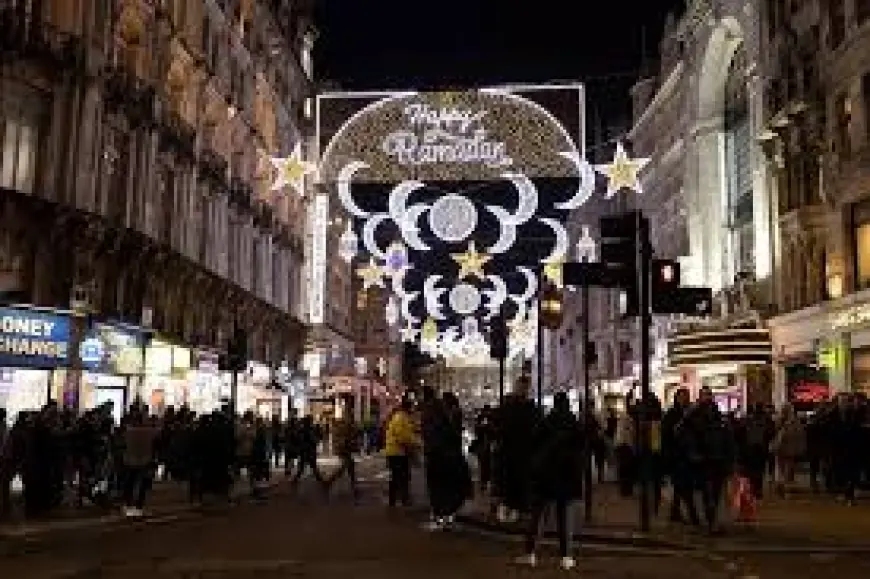
The Islamic holy month of Ramadan is due to begin this week, with a calendar of events and special services planned across north-west England. Communities are preparing for nightly prayers, charity drives and communal iftars as families make arrangements for dawn-to-sunset fasting. This briefing explains the expected start dates, local schedules converted to Eastern Time (ET) and what residents can expect during the month.
When Ramadan begins and how long it will last
Ramadan is expected to start at sunset on either Tuesday, February 17, 2026 or Wednesday, February 18, 2026, depending on the sighting of the new moon. In Eastern Time, those sunset moments in the UK translate to roughly 12: 30 PM ET on the same dates. The month follows the lunar calendar and typically lasts 29 or 30 days, concluding with the festival of Eid al-Fitr.
The lunar nature of the calendar means Ramadan shifts earlier each year by about ten days. Community leaders and worship centres will confirm the exact start date locally once the new moon is observed.
Daily fasting schedule and practical timings (ET)
Fasting during Ramadan runs from the first light of dawn until sunset each day. For towns in north-west England, dawn is commonly around 05: 00 GMT in mid-February; converted to Eastern Time, that equates to approximately 12: 00 AM ET. Sunset at about 17: 30 GMT becomes around 12: 30 PM ET. These converted times give an indication of the fasting window when expressed for readers in Eastern Time, though exact local dawn and sunset times will vary by location and date as the month progresses.
Not everyone fasts. Exemptions apply to people who are unwell, pregnant or breastfeeding women, those who are travelling, and others for whom fasting would present a health risk. Exempt individuals may make up missed fasts at a later date if they are able.
Community events, mosque services and local preparations
Across the region, mosques and community centres are arranging a programme of nightly prayers known as Taraweeh, charity initiatives, and shared iftar meals to mark the breaking of the fast each evening. These gatherings often include talks, youth programmes and food distribution efforts aimed at supporting those in need during the month.
Traditional foods are a feature of iftar tables, and many families will open their homes to neighbours and friends. Popular items include slow-cooked legumes and other hearty dishes that have a long history in fasting cultures. Local organisers are coordinating schedules to accommodate both religious observance and community outreach.
Demographic figures show a substantial Muslim population in the area, contributing to a packed calendar of activities. Places of worship typically extend opening hours during Ramadan and host special events for children and elders. Community groups are also focusing on welfare checks and support for those who may struggle with the physical demands of fasting.
As the month progresses, expect updates from local centres confirming precise prayer times and any special arrangements for large gatherings. Residents planning to attend events or coordinate volunteering efforts should check directly with local organisers for the most up-to-date schedules and health guidance.
For those observing the month, Ramadan is a period of reflection, increased devotion and charitable action. For the wider community, it presents opportunities for engagement, learning and mutual support as the region marks the holy month.