



















michael jordan daytona 500: Jordan’s Team in the Spotlight After Reddick’s Dramatic Win

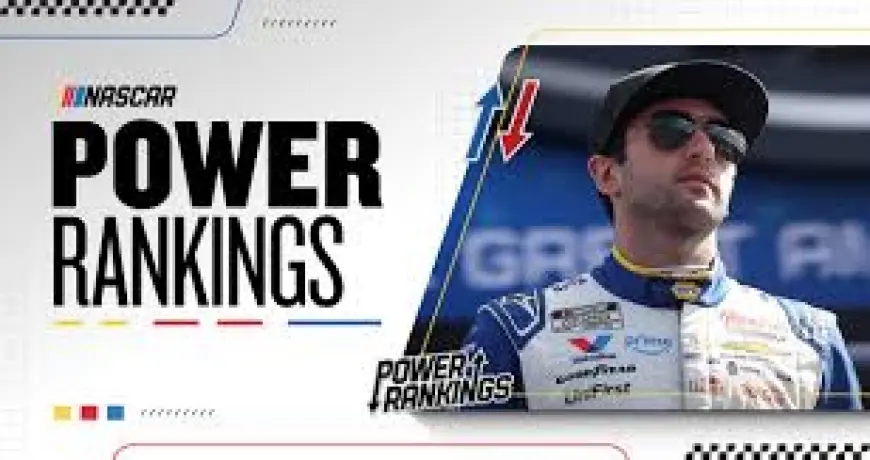
Tyler Reddick’s breakthrough at the Daytona 500 delivered more than a memorable checkered-flag moment — it amplified attention on the ownership ranks that back him. With a high-profile figure in the sport’s ownership circle, the win at NASCAR’s marquee race has immediate sporting and commercial implications, and it reshapes expectations as the season moves forward.
How Reddick’s final-lap heroics reflect on the ownership group
The closing seconds of the Daytona 500 were a study in composure and timing. Reddick described the final laps as a blur of drafting decisions and split-second positioning, a sequence that culminated in a well-timed move to cross the line first. That verdict at the finish line doesn’t just elevate the driver; it highlights the organization behind him — its strategy, preparation and ability to execute under extreme pressure.
For a team backed by a celebrity owner with long-standing public recognition, the victory doubles as a validation of investment and a promotional boon. On-track success at Daytona generates immediate media attention, boosts sponsor visibility and deepens fan engagement. The onus now rests on the team’s leadership to translate that momentum into consistent results across the remainder of the schedule.
Commercial and cultural ripple effects
Daytona 500 winners enjoy an outsized platform. Beyond the trophies and celebratory laps, a triumph at this event typically drives spikes in merchandise sales, social media traction and sponsor interest. For an ownership group with mainstream cachet, those effects can be magnified: the crossover appeal of a widely recognized owner draws new eyeballs to the sport, opening doors for fresh partnerships and broader marketing activations.
On the cultural side, the narrative of a storied public figure investing in stock-car racing — and seeing tangible returns on the track — helps broaden the sport’s audience. That dynamic feeds back into ticket demand, broadcast ratings and grassroots enthusiasm. For team executives, the challenge will be managing increased expectations while leveraging the win to secure longer-term commercial stability.
What comes next: pressure, opportunity and the hunt for consistency
Success at the sport’s biggest race heightens both scrutiny and optimism. The immediate focus shifts to capitalizing on Daytona’s momentum: refining race-weekend operations, strengthening sponsor relationships and maintaining cohesion within the driver and crew ranks. Practical questions loom, too — can the team replicate this performance on intermediate tracks where racecraft and car setup follow a different script?
From a competitive standpoint, rivals will take note and adjust. Teams that finish near the front at Daytona often get extra attention in scouting reports and development plans. Internally, the ownership and management group must decide how aggressively to pursue upgrades and personnel moves to support a championship push while protecting the long-term health of the program.
For fans and stakeholders, the Daytona 500 win is a headline moment that offers a glimpse of potential. Whether it becomes the launching point for sustained success depends on follow-through: measured investment, clear sporting direction and an ability to convert a single, spectacular result into a season-long campaign. For now, the victory stands as both a celebration and a clear signal that the team — and its high-profile backers — are serious contenders on the biggest stage.