

























Measles outbreak in north London prompts urgent warning from prime minister

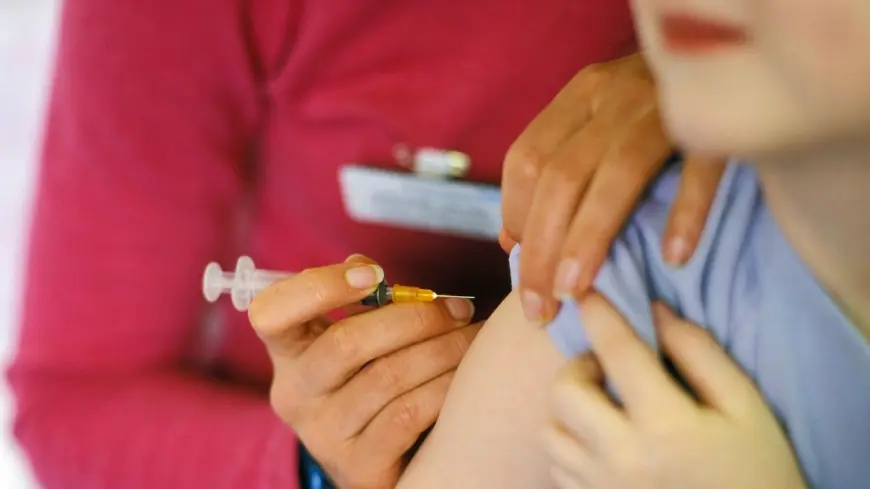
The prime minister has urged parents to check children’s vaccination records after a measles outbreak in north London infected dozens of pupils and sent several to hospital. Officials say the cluster highlights falling vaccine coverage and the wider public-health risks that follow.
Outbreak details and local impact
Enfield recorded 34 confirmed measles cases between Jan. 1 and Feb. 9, 2024 (ET), accounting for more than a third of the 96 cases identified across England so far this year. Infections have been confirmed in at least seven schools and a nursery across Enfield and neighbouring Haringey, and local clinicians warn the virus is spreading in school-age settings.
A local GP surgery has noted that one in five of the children infected during the recent outbreak required hospital treatment; none of those hospitalised were fully immunised. Authorities have advised that unvaccinated pupils who are identified as close contacts of confirmed cases may be excluded from school for up to 21 days under existing health guidance to limit transmission.
Vaccination uptake in the area is well below the level needed to prevent outbreaks: only around 64. 3% of five-year-olds in Enfield received both doses of the measles-mumps-rubella vaccine in 2024/25, far beneath the roughly 95% coverage typically cited as necessary for herd protection.
Warnings from leaders and modelling on potential spread
The prime minister framed the response in stark public-health terms: "Public health isn't a culture war. It's about keeping our communities safe. " He urged parents to confirm their children are up to date with recommended vaccinations, adding that vaccines are "safe, effective and can be life saving. " He also called on leaders to stand firmly behind science and discourage conspiracy theories around immunisation.
National health modelling has outlined how quickly measles can resurge if immunity gaps persist. Projections suggest that a large-scale outbreak in London could produce anywhere from 40, 000 to 160, 000 infections, with hospitalisation rates estimated between 20% and 40% depending on age groups affected. Measles is highly contagious and can cause severe complications, including pneumonia and brain inflammation, and in rare cases long-term disability or death.
What parents and schools are being told to do
Health officials and local authorities are urging families to check vaccination records and to get any missed doses arranged as soon as possible. Parents should consult their GP or local immunisation service for guidance on catch-up schedules. Schools and nurseries are being advised to follow exclusion guidance for unvaccinated close contacts and to communicate clearly with families about symptoms and steps to take if measles is suspected.
Symptoms typically begin with fever, cough and runny nose, followed by a blotchy rash and small spots inside the mouth. Anyone who suspects they or their child may have measles is advised to contact a health professional before visiting in person, to reduce the risk of spreading the infection in waiting rooms and clinics.
Public-health teams say the current cluster is a reminder that the measles-elimination status lost in 2024 reflects a national immunity shortfall, and that rebuilding coverage will be essential to prevent further outbreaks this year.