

























2026 winter olympics alpine skiing: Weather, schedule shifts and medal hunt dominate second week

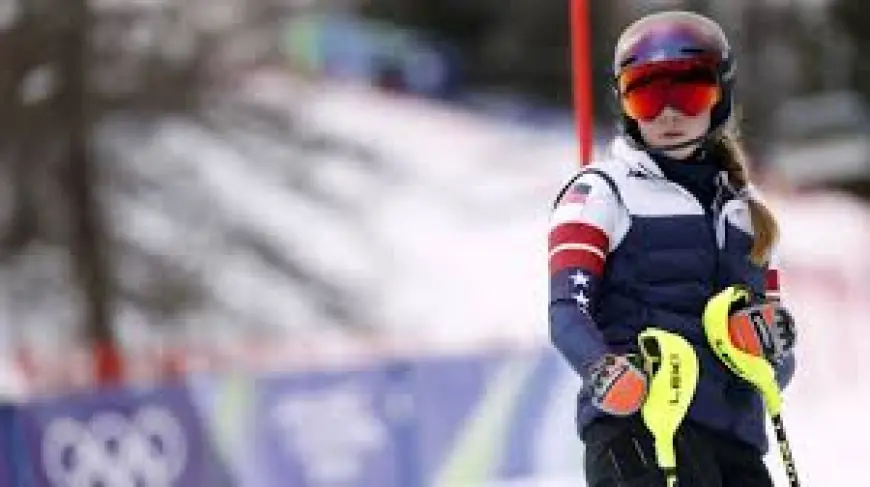
The alpine skiing program at the 2026 winter olympics entered a tense second week as high winds and variable snow prompted schedule changes, altered start orders and added uncertainty for several medal favorites. Organizers scrambled to protect the integrity of downhill and super-G runs while slalom and giant slalom competitors adjusted to compressed timetables and changing course conditions.
Wind and warm pockets force timetable reshuffle
Strong gusts over exposed ridgelines have become the defining challenge for the alpine schedule. Race officials delayed and rescheduled multiple speed events to earlier or later windows to find calmer air, citing athlete safety and fairness concerns. The shifts have compressed the calendar for technical events, producing back-to-back competition days for some skiers who would normally have recovery time between races.
Teams confirmed that course crews worked through the night to re-firm icy sections and shore up snow that had softened in midday sun. Several teams also reported last-minute changes to wax and ski setups as technicians raced to adapt to the colder morning temperatures that followed wind events and to the softer conditions in the afternoons.
Top contenders adapt while underdogs seize openings
Despite the disruptions, several pre-Games favorites remained in strong form on the courses. Technical specialists focused on preserving energy for the slalom and giant slalom runs after speed-event postponements compressed the program. Coaches emphasized conservative tactics in weather-affected races, aiming to secure solid podium chances rather than risking everything on an aggressive early attack.
At the same time, the altered timetable created openings for less-heralded athletes. With start lists shuffled and some top seeds opting for cautious runs, a handful of underdogs produced breakout performances in qualification and early-round heats, moving their nations into medal contention. National teams hailed the depth of their rosters as crucial when conditions forced substitutions and reorders.
Logistics, safety and the clock: officials weigh options
Organizers faced a balancing act between keeping the show on schedule and ensuring racer safety. Jury meetings convened daily to evaluate wind forecasts, with decisions to postpone or proceed made within tight windows to give teams time to prepare. When visibility and wind reached thresholds deemed unsafe, races were delayed; when gaps in the weather appeared, officials moved quickly to exploit them.
Medical and rescue teams reinforced patrolling on the mountain, and several teams reported altered warm-up routines to reduce exposure time on the upper slopes. Athletes and coaches noted that mental preparation had become as critical as equipment choices—racing in a compressed timetable demands sharp focus and the ability to manage stress while maintaining peak performance.
As the alpine schedule heads toward the final run days, the medal table remains fluid. Nations with depth across speed and technical disciplines are well placed to capitalize on further weather-driven upheavals, while specialists continue to target specific medals as their best path to Olympic hardware. With the weather forecast still unsettled, teams and fans alike are braced for more late changes as the Games reach their climax.
Filmogaz will continue to track developments on the alpine courses, including start-time updates, athlete lineups and the evolving medal picture as the 2026 winter olympics move toward their final days.