CPS Labels Quran Burning a Disturbance in Trump Asylum Case
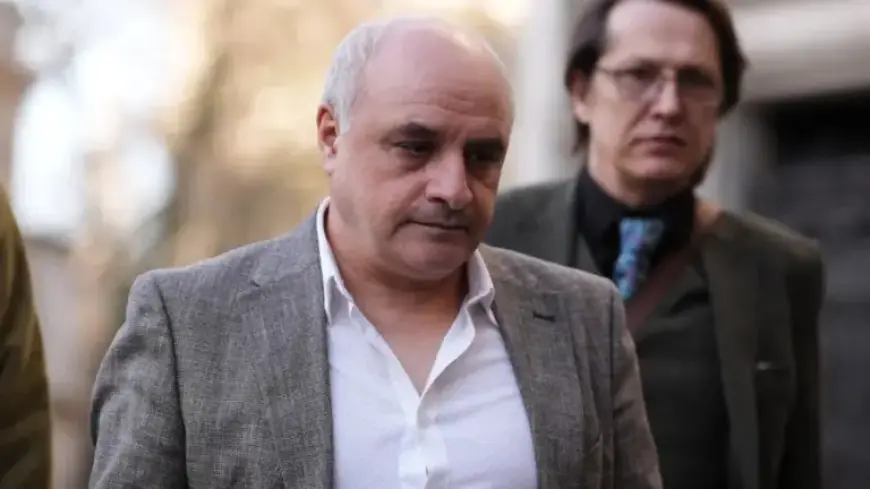
The ongoing legal battle surrounding Hamit Coskun, who burned a Quran outside the Turkish embassy in London, has raised significant questions about free speech and public order. Coskun, an atheist born in Turkey, held the Quran aloft and shouted derogatory remarks during a protest on February 13, 2022, leading to his conviction for a religiously aggravated public order offence in June 2022. However, in October 2022, his conviction was overturned on appeal.
CPS Appeals Quran Burning Conviction Overturn
The Crown Prosecution Service (CPS) has appealed against the High Court’s decision to acquit Coskun. The appeal was heard at the Royal Courts of Justice in London by Lord Justice Warby and Ms. Justice Obi. David Perry KC, representing the CPS, argued that Coskun’s actions were disorderly, particularly in a residential area like Knightsbridge.
- Date of Incident: February 13, 2022
- Initial Conviction Date: June 2022
- Conviction Overturned: October 2022
- Location of Protest: Between Knightsbridge and Hyde Park
- Fine Imposed: £240
Reactions and Implications
Perry’s argument stated that the act of burning a holy text, particularly amidst offensive comments, contributes to disorder. Tim Owen KC, representing Coskun, countered this by asserting that declaring book burning as inherently disorderly would set a legal precedent.
This legal case gained additional attention due to speculation surrounding Coskun’s potential asylum status in the United States, with reports noting that the Trump administration might grant him refugee status. Coskun has stated that should his UK asylum claim fail, he would consider fleeing to the US, where he believes the government upholds free speech principles.
The Legal Context
Coskun’s conviction was based on the Crime and Disorder Act 1998 and the Public Order Act 1986. The High Court noted that his actions were motivated by animosity towards followers of Islam, with Judge John McGarva emphasizing Coskun’s profound hostility.
The National Secular Society, which funded Coskun’s appeal, has expressed concern over the CPS’s determination to impose what they view as an unofficial blasphemy law. Blasphemy laws were abolished in England and Wales in 2008, yet they remain in force in Northern Ireland.
Next Steps in the Legal Proceedings
The judges are expected to announce their decision regarding the CPS’s appeal in the coming weeks. The outcome may have broader implications for the ongoing debate over free speech and religious expression in the UK.