
























Winter Olympics curling cheating accusation clouds competition after on-ice incident

An on-ice incident at the Winter Olympics has prompted formal complaint and a review by competition officials after one team accused an opponent of breaking rules during a high-stakes curling match. The exchange has reignited debate over enforcement, sweeping technology and gamesmanship as teams prepare for the medal rounds.
What happened during the match
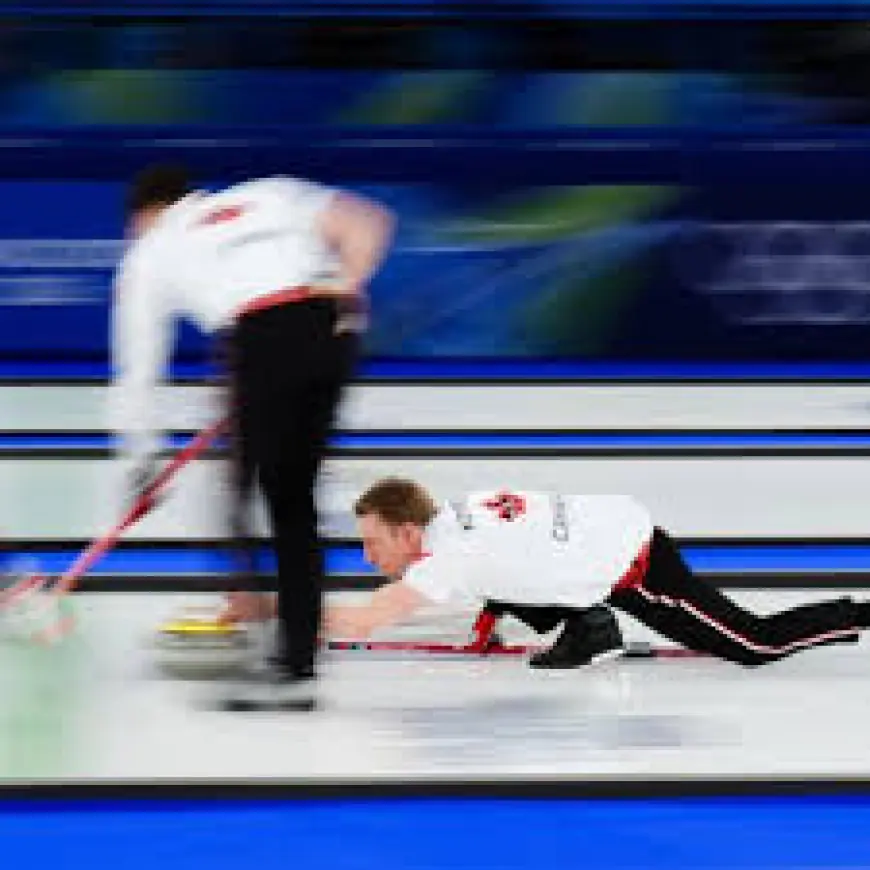
The controversy unfolded in the late ends of a tightly contested round-robin match when a visiting team appealed to the on-ice umpires for an alleged rules breach. Video replay showed a moment of close contact near the delivery line and an extended sweeping sequence that the complaining side says altered the stone’s path after it crossed the hog line.
Under curling rules, players may only sweep the stone after it crosses the hog line; physical interference with the stone or delivery is prohibited. Umpires halted play to assess the situation, conducted an immediate review and interviewed the relevant athletes and coaching staff before ruling that no conclusive evidence existed to overturn the game result. The ruling left the protesting team visibly frustrated on the ice and prompted them to file a formal complaint with competition management.
Officials, teams and the technology debate
Organizers insist they followed established procedures in handling the complaint and said the integrity of competition is a top priority. Nonetheless, the episode reopened long-running questions about the adequacy of officiating tools in curling. Teams and fans have debated whether current camera angles and replay technology are sufficient to resolve split-second interactions that can determine outcomes in elite play.
Some athletes called for clearer, faster protocols for post-delivery reviews and better placement of cameras at ring and hog-line zones. Others pushed back, warning that over-reliance on replay could slow the event and erode the human element of officiating. A number of athletes also raised concerns about how sweeping techniques and new broom materials affect ice conditions and whether rule clarifications are needed to keep competition fair.
Coaches on both sides emphasized sportsmanship and the pressure-cooker environment of Olympic competition, acknowledging that tensions can flare when a medal opportunity is at stake. One coach noted that athletes must be able to trust officials to adjudicate tightly contested situations quickly and transparently.
Where the dispute goes from here
The formal complaint triggers a review process that could include a deeper examination of video, equipment checks and interviews with officials. While such investigations rarely change official results after a match has concluded, they can lead to clarifications of rules, new guidance for umpires and, in some cases, sanctions if deliberate wrongdoing is established.
For teams still competing, the incident is a reminder of how fine the margins are in curling at the Olympic level. Organizers face pressure to strike a balance between protecting the flow of competition and providing robust, transparent adjudication when controversies arise. As the tournament moves toward elimination rounds, athletes and officials say they want swift lessons from this episode to reduce the chance of repeat disputes.
Fans and commentators will be watching how competition authorities respond: whether they pursue rule clarifications, upgrade camera coverage near critical zones, or issue guidance on sweeping and delivery contacts. Until then, the complaint remains under review while athletes pivot back to the ice and prepare for the next round of Olympic competition.