
















anthony kim: Career, Absence and the Latest Questions About a Comeback

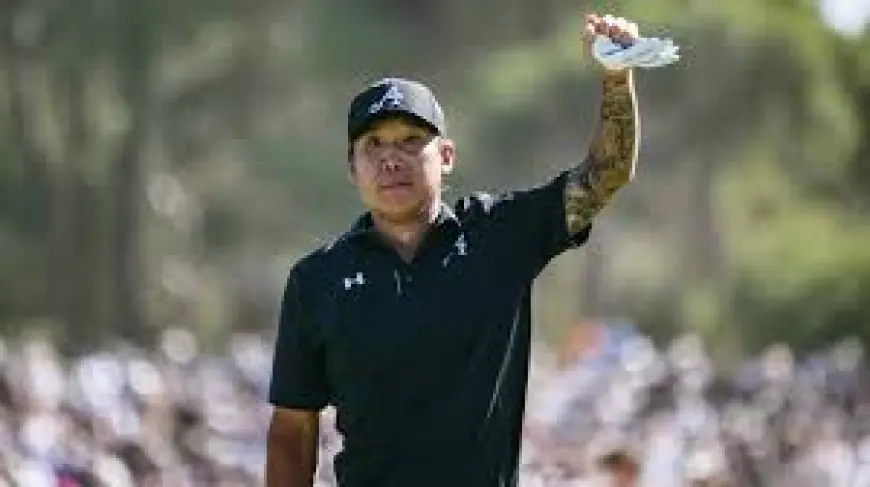
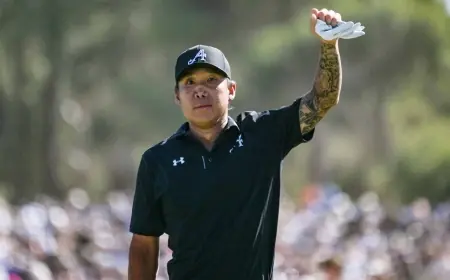
Anthony Kim remains one of the sport’s most discussed and enigmatic figures. Once a leading young star on the professional circuit, he has not competed in regular tour events for more than a decade. As of Feb. 18, 2026 ET, interest in his status endures, with observers parsing limited public sightings, legal filings and brief media mentions for any sign that a return might be possible.
Rise to prominence and abrupt halt
Kim burst onto the scene with a rare combination of power and charisma that translated into early victories and Ryder Cup appearances. He quickly became a fixture among top-ranked players, celebrated for a bold playing style that energized fans and teammates. By the early 2010s he was widely viewed as a potential long-term major contender.
The momentum, however, stalled amid injuries and a string of setbacks. Persistent back problems and related physical issues curtailed his ability to practice and compete at the level that had defined his breakthrough years. Over time, sporadic attempts at play gave way to an extended absence. That withdrawal from the tour left questions not only about his health but also about contractual and financial entanglements tied to endorsements and equipment deals.
Why the absence still matters
Kim’s prolonged hiatus matters on multiple levels. For fans, his absence created a vacuum: the sport lost a high-profile personality whose peak years promised drama and star power. For the competitive landscape, the disappearance of a proven winner shifted narratives about rivalries and generational change. For commercial stakeholders, uncertainty around his availability complicated sponsorship and promotional planning.
Clinically, the arc of Kim’s career is a case study in how injury can reshape elite athletic trajectories. Long-term rehabilitation, the cumulative effect of recurring injuries, and the mental toll of repeated setbacks are all factors that explain why some athletes opt to step away rather than pursue a patchwork return.
What a return would look like — and what to watch next
A comeback by Kim would be closely watched for its competitive and symbolic implications. Competitively, his return would prompt questions about fitness, form and whether an extended rehab could yield the precision and consistency required to contend at the highest level. Symbolically, a successful comeback would offer a narrative of resilience that resonates broadly with fans and fellow players.
Key signs to monitor in the coming months include formal notifications to tour officials, entries into qualifying events, public statements from his management or medical team, and verified practice or exhibition appearances. Even then, the practicalities of tournament scheduling, eligibility rules, and physical readiness would determine whether any appearance is a one-off exhibition or the start of sustained competition.
For now, the most likely scenarios remain cautious: occasional public sightings or interviews that clarify personal priorities, selective appearances at non-tour events, or a gradual ramp-up through smaller competitions and practice rounds. Any definitive move back onto a principal tour would require clear medical clearance and likely a phased plan to rebuild competitive form.
Anthony Kim’s name continues to generate interest because his peak years suggested unrealized potential. Whether that potential will be revisited on the course remains uncertain, but his legacy as a thrilling young talent endures in conversations about the sport’s recent history.