

























Ramadan 2026: What to Expect, Likely Start Dates and the Moon‑Sighting Debate

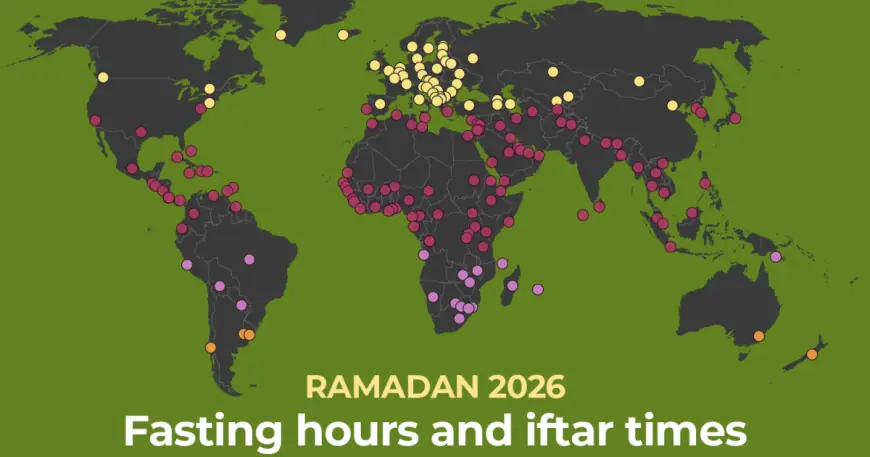
Astronomical forecasts place Ramadan 2026 in mid-February, setting up a month of fasting, prayer, and community events for millions worldwide. Exact start and end dates will remain subject to local moon sightings and religious rulings, meaning some communities may begin a day apart. Below is a concise guide to the projected timeline, the perennial crescent debate, and how institutions are preparing.
When will Ramadan 2026 begin?
Based on astronomical calculations, the new lunar crescent for the ninth Islamic month is likely to be visible on the evening of Monday, Feb. 16, 2026 (ET). If that sighting is confirmed by local religious authorities, Ramadan would formally begin at sunset that day, with the first day of fasting observed at dawn on Tuesday, Feb. 17, 2026 (ET). The month normally lasts 29 or 30 days, so Eid al-Fitr is projected for around Wednesday, March 18, 2026 (ET), though the exact date will depend on the final moon sighting.
It’s important to note that the astronomical conjunction (the precise moment the moon passes between Earth and the Sun) and visible crescent are two different benchmarks. Conjunction times are predictable and global, while the crescent’s visibility varies with weather, atmospheric conditions, and geographic location—factors that lead to the customary variance in start dates between communities and countries.
Moon-sighting debate and regional differences
Ramadan’s start has long been determined either by local naked-eye crescent sightings or by calculations. Some religious bodies continue to require a confirmed local sighting, while other authorities permit sightings reported elsewhere or accept astronomical predictions. That means communities in the same country—and certainly across borders—may observe different start dates for Ramadan 2026.
Weather will play a decisive role: cloud cover or poor visibility on the crucial evening can delay a local confirmation and shift observances by a day. Expect statements from national religious councils in the days around Feb. 16–17, 2026. Wherever local sighting is the norm, imams and mosque leadership will communicate final determinations to congregations during evening prayers.
How communities and services are preparing
With the likely mid-February timing set by astronomers, community groups, faith institutions, and service providers are gearing up. Mosques and community centers typically ramp up night prayer (Taraweeh) schedules and volunteer drives for iftar distribution in the week before Ramadan. Charitable organizations plan food drives and support programs for low-income families, coordinating volunteer rosters and donation channels well in advance.
Employers and schools in areas with significant Muslim populations often finalize leave and accommodation policies ahead of the month, including flexible start times, prayer breaks, and adjustments for students observing fasting. Airlines and hospitality sectors also factor Ramadan into scheduling, anticipating altered travel rhythms and increased demand ahead of Eid.
Health advisories circulate each year reminding fasting people, especially those with medical conditions, to consult healthcare providers about safe fasting practices. Public health messaging typically emphasizes hydration during non-fasting hours, balanced suhoor (pre-dawn) meals, and recognizing signs of dehydration or other complications.
While astronomical tools give a clear projection for Ramadan 2026, the human element—the sighting, the council decisions, the community confirmations—will ultimately set the calendar in each locality. Expect official announcements in the week of Feb. 16, 2026 (ET), and plan accordingly for a period of heightened religious activity, community outreach, and cultural observance.