











![Amber Glenn Withdraws From [Event] Citing Injury, Will Miss Upcoming Season — Update](https://www.filmogaz.com/uploads/images/202602/image_430x256_6994eca04b7cd.webp)

galatasaray appoints new head coach in bold midseason move


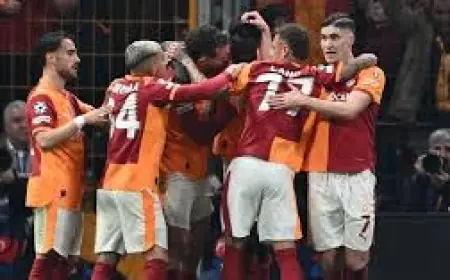
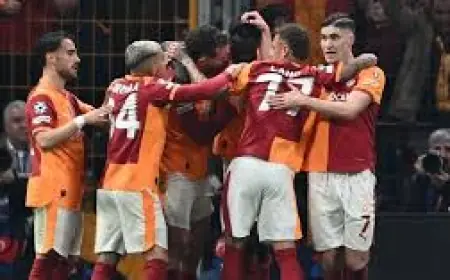
Galatasaray announced a managerial change on 18 February 2026 ET, bringing in a seasoned coach to steady the squad after a run of inconsistent results. The club framed the switch as a strategic reset aimed at returning the team to title contention domestically and sharpening its performance in European competition.
New coach tasked with immediate fixes
The new appointment is presented as a pragmatic choice: a coach with a blend of domestic experience and European know-how who is expected to focus on defensive stability and clearer attacking patterns. Club officials emphasized that the incoming coach will prioritize short-term results while laying the groundwork for a longer-term tactical identity.
Key short-term tasks for the new coaching staff include tightening a defence that has conceded avoidable goals in recent weeks, improving transitions from back to front, and restoring confidence among senior players who have underperformed. The club will also review the training schedule and sports science program to reduce injuries and fatigue during a congested period on the calendar.
Fan reaction, squad dynamics and the fixture test ahead
Reaction among supporters was mixed but engaged: many fans applauded decisive action, while others urged patience as the coach rebuilds team cohesion. Senior squad members are reported to have welcomed the change, with several players publicly committing to backing the new staff in training and upcoming matches.
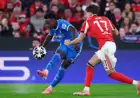
On the pitch, the immediate fixture list presents a stern test. The new coach inherits a team facing crucial domestic clashes and a remaining European schedule that will demand tactical flexibility and rotational planning. Success in these next games will be a key barometer of whether the managerial switch can produce quick improvements.
Beyond match-day tactics, the club's leadership signalled that they remain focused on the transfer strategy to ensure squad depth for the remainder of the season and beyond. Any market activity will be measured and targeted: the priority is to plug gaps that directly impact the coach’s tactical plans rather than broad squad overhauls.
What this means for the season
The change in leadership is meant to arrest a slide and reintroduce clarity around playing style. If the new coach can deliver a more disciplined defensive setup and spark better attacking transitions, the club could realistically regain momentum in the title race and improve its standing in European competition.
However, immediate results are not guaranteed. Midseason managerial changes carry risks: players must adapt quickly to new methods, and the coach must win buy-in from the dressing room. The coming weeks will be decisive in determining whether the move yields the turnaround the club hopes for.
Club officials have framed the appointment as the start of a renewed push rather than a quick fix. Supporters and pundits alike will be watching the team’s next matches for signs that the new approach is working — both in scorelines and in the way the team performs on the pitch.
Further developments are expected to unfold rapidly, with the club set to provide periodic updates on coaching staff additions, training adjustments, and player availability as the new era begins.