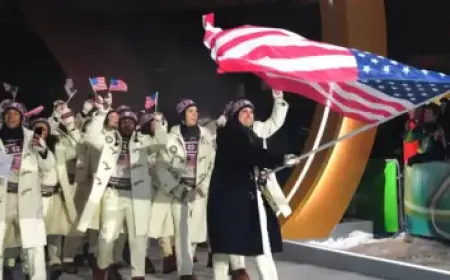

























2026 winter olympics alpine skiing: Medal races heat up as favorites and newcomers clash in Cortina

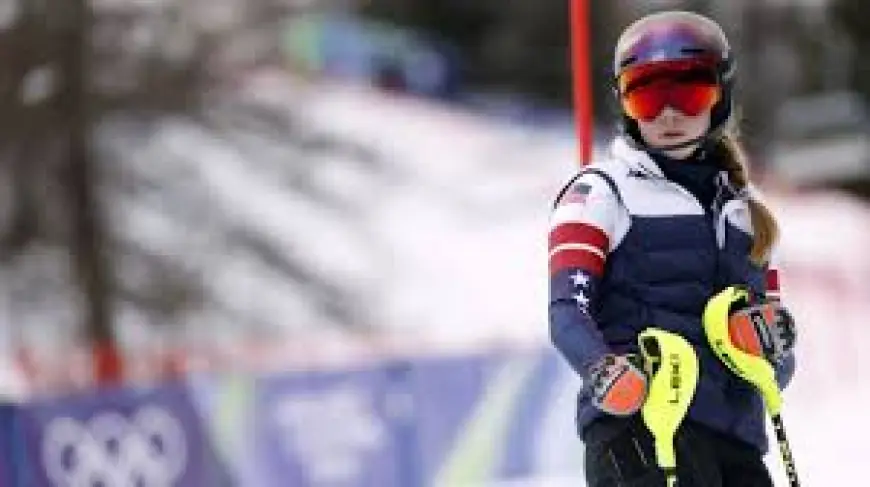
The alpine skiing competition at the 2026 Winter Olympics in Cortina d'Ampezzo tightened on Tuesday, with established stars holding form while emergent contenders produced surprise podium pushes. Snow and wind conditions remained a critical variable as athletes fought for time and line in speed and technical disciplines.
Speed events test nerves and equipment
Downhill and super-G courses challenged racers with mixed visibility and variable surface conditions that amplified the importance of equipment setup and split-second decisions. The men's downhill field featured a mix of Olympic veterans and younger names aiming to capitalize on riskier lines where rough patches opened chances for big time gains.
Several top seeds posted near-identical splits on upper sections before small errors in flatter, wind-exposed stretches reshuffled rankings. Teams adjusted ski choices between runs, with coaches making on-the-fly changes to edge and wax to chase grip on a course that was drying in sunlit pockets but remaining icy in shaded gullies.
On the women's side, favorites navigated the high-speed gates with controlled aggression. A handful of crashes and DNFs underscored the thin margin between podium and hospital tent, while some lesser-known entrants capitalized on conservative runs by leading names to post career-best finishes.
Technical events reveal shifting form and Olympic pressure
Giant slalom and slalom days revealed different storylines: technical precision and split-second rhythm mattered most. Several veterans who rely on experience in rhythm sections found themselves challenged by younger competitors with razor-sharp turns and aggressive gate attacks.
Conditions for technical races were tighter—firmer, more consistent snow—but gusts at midcourse points demanded constant micro-adjustments. Coaches emphasized mental routines during the in-between moments; athletes arriving at the start zone kept focus drills short and sharp to maintain composure under Olympic pressure.
Notable were the shifts in national team dynamics. Teams with deeper support staffs and established wax programs showed small but meaningful advantages in handling changing conditions across runs. Meanwhile, smaller teams leaned on tactical conservatism to scrape points and secure surprising top-15 results that could shape next days' start orders.
Looking ahead: medals, strategy and weather
With several marquee events still to come, the competition remains wide open. Forecasts show a window of calmer weather for the next 48 hours in local time, offering organizers a better chance to run scheduled races without further disruptions. That window is vital: athletes and teams have limited opportunities to dial in skis and lines before the program reaches its decisive phase.
Strategically, expect more conservative runs from athletes sitting comfortably in medal contention and aggressive, risk-taking performances from those chasing upward movement in the standings. The Alpine Team Event and remaining individual disciplines now carry added weight as nations jockey for overall alpine supremacy.
As the week progresses, the combination of athlete experience, equipment choices and split-second decision-making will determine who converts form into Olympic hardware. With unpredictable mountain weather and deep, competitive fields, every run could rewrite the medal script in Cortina.