















![Amber Glenn Withdraws From [Event] Citing Injury, Will Miss Upcoming Season — Update](https://www.filmogaz.com/uploads/images/202602/image_430x256_6994eca04b7cd.webp)





Ramadan 2026: Global Muslim Communities Prepare for Month of Fasting and Renewal

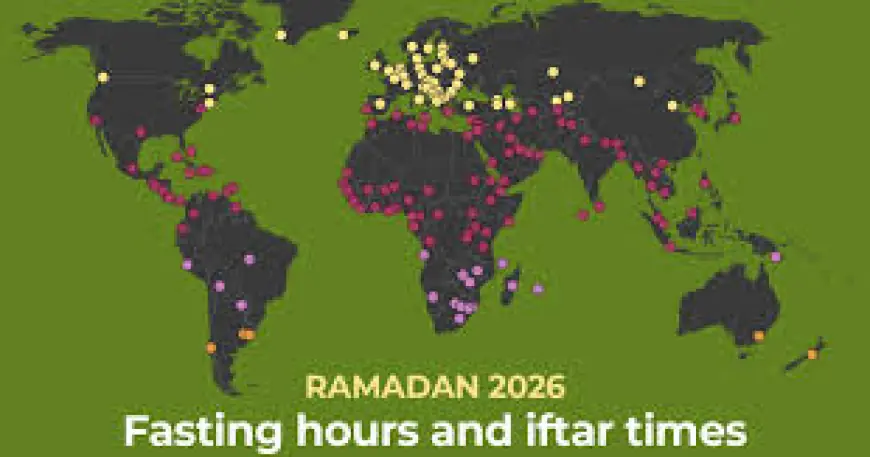
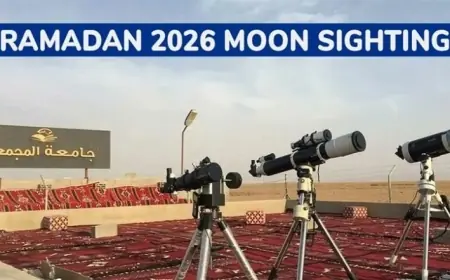
Muslim communities around the world are putting final plans in place for Ramadan 2026, with the lunar observance expected to begin in late February or very early March, depending on local moon-sighting decisions. Religious organizations, charities, local governments and businesses are announcing guidance and service adjustments as communities brace for a month of fasting, nightly prayers and intensified communal activities.
Timing and local sighting decisions shape observances
Ramadan’s start remains tied to the Islamic lunar calendar and local moon sightings, so exact dates vary by country and community. Many national religious authorities are preparing to confirm the first day within 24 hours of crescent observations. For planning purposes, community leaders are advising mosques and event organizers to be ready for the holy month to begin around late February or the first days of March in Eastern Time observances.
That uncertainty is prompting flexible scheduling: schools and employers in areas with large Muslim populations are coordinating leave requests and exam timetables; transport agencies are preparing for altered peak periods and increased evening traffic around iftar times; and local health services are issuing guidance for those with medical conditions who intend to fast.
Mosques, charities and cities mobilize for communal needs
Mosques are finalizing programs for taraweeh prayers, Quran recitation circles and community iftars, with many emphasizing adherence to local public-health guidelines and safety measures. Charitable organizations are ramping up fundraising and distribution plans for zakat and iftar meals, expecting heightened demand for food assistance and refugee support in several regions.
Urban centers with significant Muslim populations are coordinating with faith leaders to ensure public spaces can host larger gatherings where appropriate, while also monitoring noise and crowding concerns. Municipal authorities are also reviewing public transit schedules to accommodate later-night travel and are consulting with business groups on extended retail hours in predominantly Muslim neighborhoods.
Religious, social and economic impacts under the microscope
Businesses, particularly in food service and retail, are forecasting shifts in customer patterns: daytime footfall often declines while evening commerce and delivery services surge around iftar and suhoor times. Employers are encouraged to offer flexible schedules to fasting employees, and human-resources teams are preparing guidance on workplace accommodations.
Health professionals and community outreach programs are focusing messaging on safe fasting practices, hydration strategies during non-fasting hours and exemptions for those with health conditions. Education providers are arranging supports for students observing Ramadan, including schedule adjustments for exams or deadlines where feasible.
On the cultural front, Ramadan remains a period of heightened charitable giving, family gatherings, and religious reflection. Many communities are also planning volunteer drives and interfaith initiatives to foster social cohesion during the month.
With the first night still contingent on moon-sighting, organizers stress the importance of flexibility and community communication. Local announcements in the days leading up to the expected start will determine exact schedules for prayers and public events in each area, and residents are advised to stay attuned to local faith leaders for the official declarations that mark the beginning of Ramadan 2026.