









![Amber Glenn Withdraws From [Event] Citing Injury, Will Miss Upcoming Season — Update](https://www.filmogaz.com/uploads/images/202602/image_430x256_6994eca04b7cd.webp)


Igor Tudor Returns to Spotlight After High-Profile Exit from Club Job

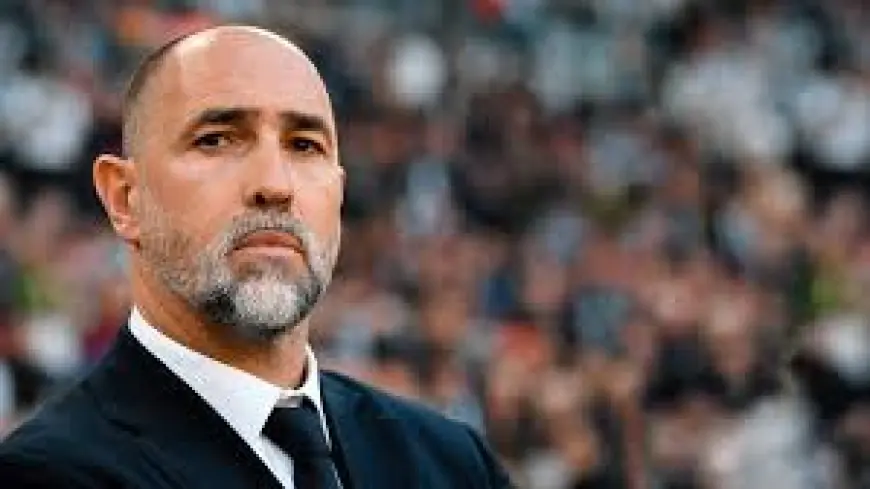
Igor Tudor is back in the headlines after parting ways with his most recent club. The Croatian coach, known for his defensive acumen and fiery touchline presence, leaves behind a mixed run of results and renewed speculation about his next destination.
Why the split happened
The separation followed a string of inconsistent results and growing pressure from supporters and club hierarchy. The team experienced several promising displays but failed to convert momentum into a sustained run of form, and that on-field wobble coincided with tense dressing-room dynamics and public disagreement over tactical direction. Management ultimately opted for a change to reset the season and attempt a different approach.
Across his tenure, Tudor emphasized physical intensity and an organized defensive shape. While those traits produced solid performances in isolated matches, recurring lapses in concentration and a lack of cutting edge in attack left results short of expectations. The timing of the exit—midseason—signals the club’s urgency to salvage objectives and is consistent with a trend of swift managerial changes in the modern game.
Track record and managerial profile
Tudor’s reputation is built on his ability to instill a clear identity quickly. He often prioritizes aggressive pressing, compact defensive blocks and disciplined transitions. That approach has earned him praise for getting teams defensively compact and difficult to break down, while critics point to occasional inflexibility in attacking patterns and substitution choices.
His CV includes notable spells where short-term impact was clear: periods of stabilization, improved defensive records and strong performances in cup competitions. Yet longevity has sometimes been elusive, with clubs moving on when immediate objectives weren’t met. Those patterns make Tudor an appealing option for teams seeking an immediate lift and structure, but a riskier choice for projects demanding long-term patient rebuilding.
What’s next for Tudor?
The coach is expected to consider a range of options. He could return to a domestic club where his profile and style match supporter expectations, or accept a short-term rescue role at a club fighting to avoid relegation or chasing a cup run. There is also the possibility of a move to a league where his tactical traits—defensive organization and physical intensity—are highly valued, and where clubs tend to give managers a limited but clear mandate.
Given Tudor’s track record of quick turnarounds and ability to galvanize squads, several clubs with urgent objectives may view him as an attractive, immediate option. At the same time, Tudor and his representatives may seek assurances about transfer control and project length before committing, mindful of past tenures that ended when alignment on strategy wavered.
The coming days should reveal whether Tudor will be linked with specific vacancies or poised for a period out of the game while assessing offers. His next move will be watched closely by supporters and executives alike: Tudor remains a figure whose impact is felt quickly, even if the debate over long-term suitability endures.