























Lunar New Year 2026 and Chinese New Year 2026: Date, Year of the Horse, Fire Horse Meaning, and How People Celebrate

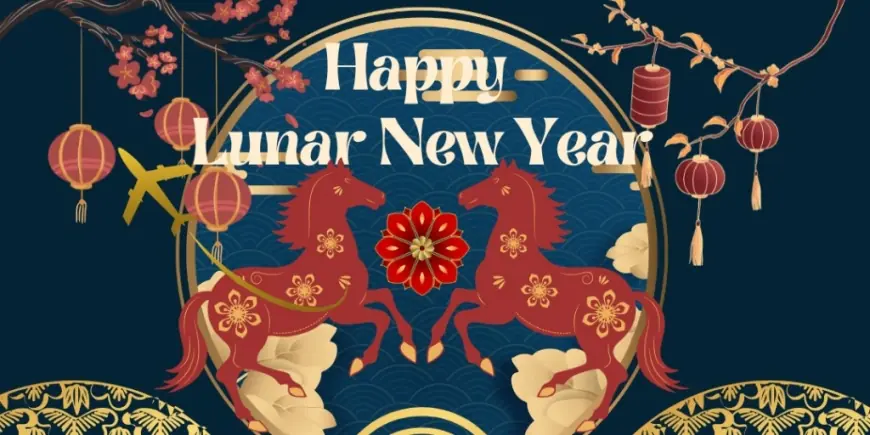
Lunar New Year 2026 arrives on Tuesday, February 17, 2026 ET, marking the start of the Year of the Horse in the Chinese zodiac. For many families and communities, the date isn’t just a calendar flip. It’s the opening of a multi-day season of homecomings, temple visits, community events, and rituals meant to reset the year with health, luck, and momentum.
In 2026, the spotlight lands on the Horse, and specifically the Fire Horse theme that appears once every 60 years in the traditional cycle. That combination is driving a surge of interest in zodiac traits, lucky customs, and what not to do on New Year’s Day.
When is Chinese New Year 2026 and when is Lunar New Year 2026?
Chinese New Year 2026 falls on Tuesday, February 17, 2026 ET. It is one of the most widely observed Lunar New Year dates globally, but Lunar New Year itself is celebrated across multiple cultures and countries, sometimes with different names and customs.
What confuses many people is that celebrations can stretch well beyond a single day. The first day begins with the new lunar year, while festivities often continue through the Lantern Festival about two weeks later, depending on local tradition.
Lunar New Year 2026 animal: Year of the Horse, and what “Fire Horse” means
The Chinese zodiac rotates through 12 animals. 2026 begins the Year of the Horse, the seventh animal in the cycle. The “Fire Horse” label comes from pairing the animal with one of five elements, creating a 60-year rotation of unique combinations.
Behind the headline, this matters because “Fire Horse” years carry a strong cultural reputation. Supporters frame it as energetic and forward-moving, a year that rewards initiative, bold decisions, and reinvention. Others emphasize intensity, impatience, and a higher risk of overreach. The incentives are obvious: people want a storyline that helps them interpret uncertainty, set goals, and feel a sense of control at the start of a new cycle.
Stakeholders in that story include everyone from families planning New Year gatherings to businesses timing promotions, travel operators managing peak demand, and community groups scheduling parades and cultural nights.
What is Lunar New Year and what is Chinese New Year?
Lunar New Year is a new-year celebration tied to a lunisolar calendar, not the January 1 Gregorian calendar. It marks the start of a new year based on lunar phases, and it’s observed in different ways across Asia and in diaspora communities worldwide.
Chinese New Year is a major Lunar New Year tradition centered on family reunions, honoring ancestors, visiting temples, sharing symbolic foods, and exchanging red envelopes. Many households also perform a thorough pre-holiday clean to “clear out” the old year, then avoid certain actions on New Year’s Day to protect good fortune.
Chinese zodiac years and Chinese New Year animals: the basics people look up
The zodiac animals repeat every 12 years, but the element pairing adds nuance across decades. People often search for their sign using their birth year, then read compatibility and personality descriptions tied to that animal.
Common second-order effects show up every Lunar New Year: spikes in travel, higher demand for certain foods and gifts, a rush of reservations for family meals, and packed community venues. Even cities without large celebrations often see cultural centers and restaurants extend hours for special menus and performances.
Happy Lunar New Year 2026: how to say Happy New Year in Chinese
Two widely used greetings you’ll hear during the season are:
-
Xin Nian Kuai Le, meaning Happy New Year
-
Gong Xi Fa Cai, a congratulatory wish often associated with prosperity
Many people also use “Happy Lunar New Year” or “Happy Chinese New Year” in English. And within Muslim communities and beyond, it’s common to see overlapping seasonal greetings when festivals cluster close together on the calendar.
“Doodle” and social media hype: why the internet amplifies Lunar New Year
Every year, major online platforms and search homepages lean into the holiday with themed artwork, animations, and interactive elements. That attention is not just decorative. It shapes what people ask, share, and buy, and it can turn zodiac topics into viral trends overnight.
The missing piece is consistency: online explainers often oversimplify the difference between the 12-animal cycle and the full 60-year animal-plus-element cycle. That’s why “Year of the Horse” and “Fire Horse” can get mixed together, or why people assume the zodiac changes on January 1 when it does not.
What happens next: realistic scenarios for the 2026 Year of the Horse
As celebrations unfold across the next two weeks, here are practical, realistic next steps to watch:
-
Cities with large parades and festivals will see crowd-control and transit adjustments as peak events cluster on weekends.
-
Travel disruptions can have outsized impact because many trips are time-sensitive for family reunions.
-
Businesses will extend promotions through the Lantern Festival window, especially for gifts, dining, and cultural events.
-
Zodiac content will keep trending as people compare the Horse year’s themes to their own plans, relationships, and finances.
Why it matters is simple: Lunar New Year isn’t only a holiday, it’s a global scheduling force. In 2026, the Year of the Horse adds a punchy narrative of speed, ambition, and change, and that storyline will influence everything from personal resolutions to how communities gather and celebrate through late February and into early March.