
























Ramadan 2026: What to Expect and When the Fast Is Likely to Begin

Muslim communities around the world are preparing for Ramadan 2026, which astronomical forecasts place in mid-February. Exact start dates will depend on local moon sightings and national decisions, and some communities may announce different opening days. Here’s a concise guide to the timing, the factors that determine the first day of fasting, and how the calendar could affect planning for worship, travel and community events.
Timing: mid-February likely, with regional variation
Calculations of the lunar cycle put the new moon for the relevant lunar month squarely in mid-February 2026, making the first day of Ramadan most likely on Feb. 17, 2026 (ET) for communities that begin fasting the day after a confirmed sighting of the crescent. In jurisdictions that rely on astronomical calculations or pre-established lunar calendars, the first day could be set on Feb. 17 or Feb. 18, 2026 (ET). Because the Islamic calendar is lunar and months last 29 or 30 days, the precise date will vary by country and community.
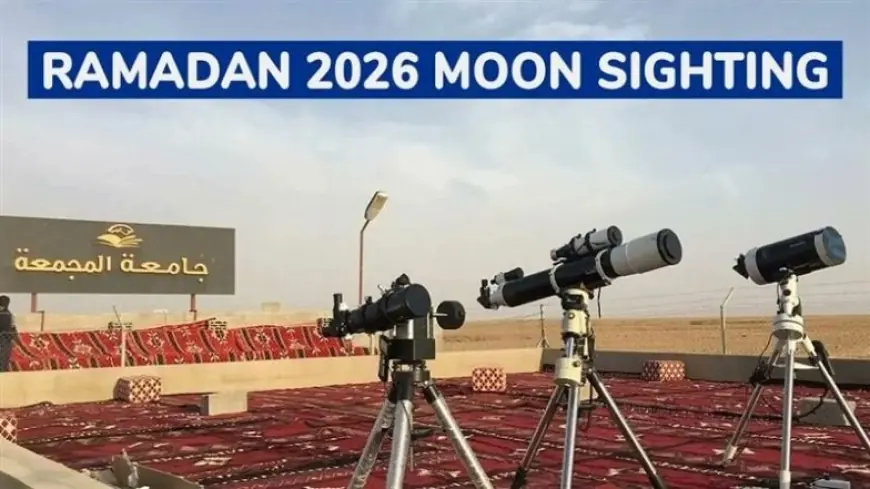
National religious authorities and local mosque committees commonly declare the start of Ramadan after attempts to observe the new waxing crescent by eye. When the crescent is not visible, some communities follow calculation-based methods or national proclamations that standardize the date in advance.
What moon-sighting means for worship and holidays
The method chosen to determine the start of the month affects not only the first day of fasting but also the date of Eid al-Fitr, which marks the end of Ramadan. If communities begin Ramadan on Feb. 17, 2026 (ET), Eid would fall around March 18 or March 19, 2026 (ET), depending on whether Ramadan is observed as 29 or 30 days. That window is important for international travel, workplace leave planning and community programs that coordinate interfaith or public events.
Moon visibility also leads to short-notice announcements in some places. Observers in regions with challenging weather or limited viewing windows may be unable to confirm the crescent, prompting reliance on calculation or deferring to nearby national proclamations. Mosques and community centers typically brief congregants in the days before the expected start and again after official announcements.
Practical implications and how communities are preparing
Ramadan in February generally brings shorter daylight hours in the Northern Hemisphere compared with summer Ramadans, which can mean more moderate fasting durations in many areas. Communities are already lining up programming to support worship, charity drives, and communal iftars, and health and labor advocates are encouraging planning that minimizes disruption for workplaces and schools.
Organizers and families should monitor local mosque communications for a confirmed start date, arrange travel and accommodation early if they plan to cross borders, and make contingency plans for workplace scheduling given the possibility of last-minute changes tied to moon-sighting results. Health guidance for fasting people—particularly those with medical conditions—should be discussed with medical professionals well ahead of Ramadan so that safe accommodations can be made.
As the mid-February window approaches, expect national authorities and community leaders to issue final dates and guidance. The interplay between traditional moon-sighting practices and calculation-based calendars will once again shape how communities mark the arrival of this major religious observance.