



















![Amber Glenn Withdraws From [Event] Citing Injury, Will Miss Upcoming Season — Update](https://www.filmogaz.com/uploads/images/202602/image_430x256_6994eca04b7cd.webp)




Inside America’s Next Top Model: A Curfew Reality Check

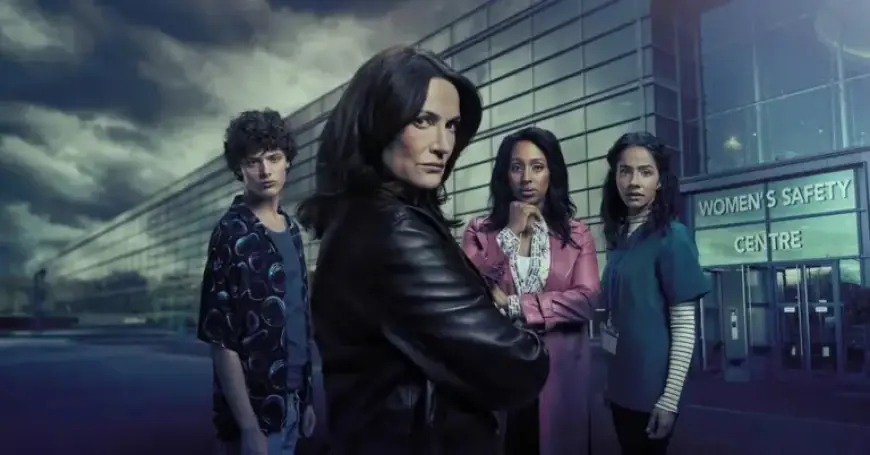
The adaptation of Jayne Cowie’s 2022 novel, *After Dark*, has sparked conversations around gender dynamics and societal norms. This cinematic venture presents a unique premise that raises eyebrows about its feasibility and presentation.
High-Concept Premise
The film’s intriguing concept suggests a reality where men are legally required to remain indoors from 7 PM to 7 AM. This idea invites scrutiny about the implications of such a drastic measure on male behavior and societal acceptance.
- Key Concept: All men must stay indoors while women roam freely.
- Legal Consequences: A two-year jail sentence for violations.
Critical Reactions
Critics have approached the film with skepticism. Ben Dowell from *The Times* questions the film’s depth and execution. He highlights the need for better production values and clearer storytelling. Similarly, Christopher Stevens of the *Daily Mail* finds the premise absurd, suggesting that such a law would not be tolerated by society.
Although there are scenes depicting protests and public outcry, the critics express that the film does not sufficiently explore public sentiment or present compelling arguments regarding the legislation it depicts.
Documentary Insights
In a different arena, *Reality Check: Inside America’s Next Top Model* on Netflix investigates the darker aspects of reality television. Directors Mor Loushy and Daniel Sivan, known for highlighting complex narratives, present a candid look at the behind-the-scenes dynamics of the show.
- Documentary Focus: Examination of contestants’ experiences.
- Director Background: Sivan has previously directed films about Osama Bin Laden.
One contestant’s remark, “You were making good TV at my expense,” resonates with many who have felt exploited by reality TV. This reflection reveals a persistent critique of the industry’s impact on personal lives, contrasting sharply with the early seasons’ authenticity.
The Evolution of Reality Television
While *America’s Next Top Model* initially captivated audiences with its genuine content, recent iterations have drawn criticism for prioritizing sensationalism over substance. This shift has contributed to a broader conversation about the role of reality TV in shaping public perceptions and individual identities.
In conclusion, both *After Dark* and *Reality Check: Inside America’s Next Top Model* challenge viewers to think critically about societal norms and the influence of media. These narratives, whether through dramatic fiction or documentary, encourage ongoing discussions about gender and representation.