
















![Amber Glenn Withdraws From [Event] Citing Injury, Will Miss Upcoming Season — Update](https://www.filmogaz.com/uploads/images/202602/image_430x256_6994eca04b7cd.webp)

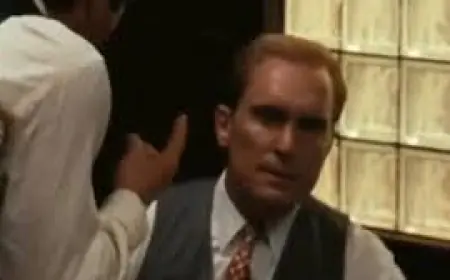


Crime 101: New True-Crime Series Reexamines Cold Cases With Fresh Forensics


A new true-crime series called Crime 101 launches this week, promising a methodical, forensic-forward look at cold cases that have haunted communities for decades. The show mixes newly unearthed evidence, contemporary forensic techniques and fresh witness interviews to push several investigations forward and raise fresh questions about old conclusions.
Series premise and first episodes
Crime 101 opens by framing each episode as an investigative workshop: a concise breakdown of the original case, followed by a step-by-step reexamination using modern tools. Early installments center on two cold cases — one dating back to the 1990s and another from the early 2000s — where DNA advances, digital forensics and renewed witness outreach reveal overlooked leads. Producers emphasize a classroom-like approach, presenting forensic science in accessible terms while cataloguing procedural flaws in the original inquiries.
The format alternates between archival material and present-day investigations. Forensic specialists demonstrate how techniques unavailable at the time — such as enhanced DNA phenotyping, advanced ballistic databases and cellphone-location analytics — are being applied to evidence preserved in evidence lockers. The series also devotes time to interviewing family members and community figures, giving the victims’ stories sustained narrative weight rather than relegating them to background context.
Impact on active investigations and expert response
Creators say Crime 101 has already produced tangible results: in one early episode, novel DNA analysis identified a new investigative lead that reopened a previously cold file. Law enforcement representatives featured in the series confirm that the program’s reconstructions and timelines helped prioritize evidence for retesting and identify potential witnesses who had not been fully interviewed during the initial probe.
Forensic experts who appear on the show praise the series for demystifying technical work for viewers, while cautioning against the sensationalization common to some true-crime programming. They stress that while modern science can significantly narrow suspect pools or corroborate key details, it does not automatically produce guilt or replace careful police work. Several criminal-justice advocates featured in the program call for more transparency in how evidence was handled in earlier investigations and for uniform policies on evidence preservation across jurisdictions.
Public reaction and ethical questions
Early audience response has been mixed: viewers applaud the show’s clear explanations of forensic science and its respectful treatment of victims’ families, but critics note the ethical tightrope true-crime shows walk when balancing public interest against the potential to influence ongoing legal processes. Some legal analysts caution that publicizing newly generated leads before formal charges are filed could complicate prosecutorial decisions and jury pools in smaller communities.
The series producers counter that the intent is to serve the public interest by pushing unresolved cases back onto law-enforcement radars and giving victims’ families renewed hope. They further say that episodes were vetted to avoid interfering with active courtroom matters; when a feature did risk impacting an ongoing prosecution, the segment was withheld or edited to remove sensitive information.
Crime 101 arrives amid continued public appetite for forensic-driven storytelling. Its emphasis on modern science, reinterviewing witnesses and reexamining institutional missteps aims to strike a balance between investigative rigor and accessible storytelling. As the first season unfolds, the show’s real-world effects — renewed inquiries, fresh charges or exonerations — will be the truest measure of its impact.
New episodes of Crime 101 begin airing this week, with scheduled releases that will roll out periodically. The newsroom will monitor developments tied to cases featured in the series and report significant legal updates or investigative breakthroughs in future coverage.