
















![Amber Glenn Withdraws From [Event] Citing Injury, Will Miss Upcoming Season — Update](https://www.filmogaz.com/uploads/images/202602/image_430x256_6994eca04b7cd.webp)




Jesse Jackson Death Confirmed: Rev. Jesse Jackson Dies at 84, Prompting Fresh Questions About Politics, Legacy, and What Comes Next

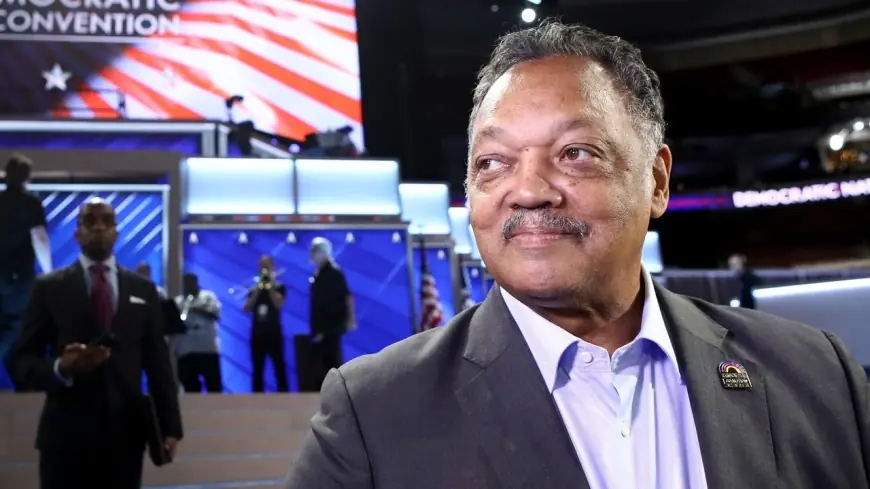
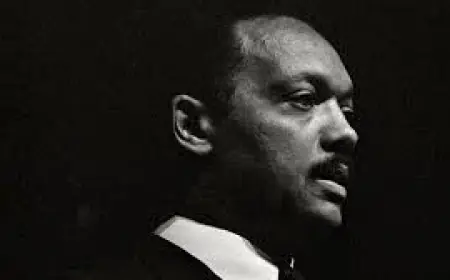
Rev. Jesse Jackson, the longtime civil rights leader, minister, and two-time presidential candidate who helped shape modern coalition politics, has died at age 84. His family confirmed he died on Tuesday, February 17, 2026, in U.S. Eastern Time, after years of serious health challenges that had gradually reduced his public appearances.
The news quickly set off a surge of public questions: Did Jesse Jackson die, when did Jesse Jackson die, what was Jesse Jackson’s cause of death, and what did his life mean for politics now. It also renewed attention to his most enduring public message, often summarized by the phrase “Keep hope alive,” and to the leaders and institutions that either partnered with him, competed with him, or were pushed to change because of him.
What happened and when: when did Jesse Jackson die
Jesse Jackson died on Tuesday, February 17, 2026, Eastern Time. The family announcement emphasized a peaceful death surrounded by loved ones. In recent years, Jackson had been open about living with Parkinson’s disease and later faced a rarer, progressive neurological condition that complicated mobility and speech and required increasing levels of care.
On the cause-of-death question, the public record points to complications linked to his long-running neurological illness. Some details may remain private unless the family releases a fuller medical statement.
Why it matters in politics: Jesse Jackson’s coalition playbook is now the blueprint
Jackson’s political impact was never limited to winning elected office. His larger achievement was changing the incentives of American politics. He built a model for coalition-building that treated turnout, moral language, and issue-linking as power, not symbolism. That approach influenced how candidates speak about voting rights, poverty, labor, foreign policy, and access to healthcare, even when they avoided his rhetoric.
Behind the headline, this is also a moment of succession. Many organizations and political networks that once orbit around a single charismatic leader have to decide what they are without him. That transition is rarely smooth: it involves donor confidence, leadership legitimacy, and whether newer activists see the institution as a platform or a relic.
Stakeholders: Al Sharpton, Jesse Jackson Jr., and the movement ecosystem
Public figures like Al Sharpton sit in a unique position after Jackson’s death. They are both peers and successors in the public imagination, which creates pressure to honor legacy while also claiming relevance. The same is true for civic leaders, labor groups, clergy, and voting rights organizations that once relied on Jackson’s ability to command attention with a single appearance.
For Jesse Jackson Jr., and for Jackson’s broader family, the spotlight carries a different weight: the shift from public role to private loss, alongside the practical work of managing memorial plans, archives, and the long-term stewardship of a legacy that is both revered and contested.
What we still don’t know: missing pieces the public will watch
Several key details are still developing or may remain private:
-
Whether the family will release a more specific medical timeline beyond complications from neurological illness
-
Memorial and funeral plans, including whether there will be a major public service in Chicago or a national ceremony
-
How Jackson’s organizational infrastructure will reorganize leadership and funding in the months ahead
-
How political leaders will frame his legacy, especially across partisan lines
These missing pieces matter because they shape the second story that follows the death story: who gets to define the meaning of his life in the public record.
Jesse Jackson net worth: why the number is less important than the machinery
Searches for “Jesse Jackson net worth” are likely to spike, but public estimates in celebrity-style tallies vary widely and are often unreliable. What is more concrete is the structure behind any wealth and influence: decades of public speaking, book income, organizational fundraising, and the institutional assets tied to advocacy work. In cases like this, the more important question is not a headline number, but how the estate, archives, and organizational responsibilities will be managed.
Jesse Jackson quotes: what people return to now
In moments like this, the country tends to compress a complicated career into a handful of lines. Jackson’s best-known phrases, including “Keep hope alive,” endure because they function as both comfort and command: hope as an emotional necessity, but also as a civic obligation. The risk, though, is that slogans replace substance. Jackson’s actual practice was intensely tactical: negotiating, pressuring corporations, mobilizing voters, and building alliances that often required uncomfortable compromise.
What happens next: realistic scenarios and triggers
Here are the most plausible next steps in Eastern Time framing:
-
A wave of tributes and official statements over the next several days, with the tone depending on whether leaders emphasize unity, controversy, or historical impact.
-
A public memorial service expected in the near term, which will become a major gathering point for civil rights veterans and current organizers.
-
Renewed debate over Jackson’s political legacy, triggered by how candidates invoke him in 2026 election messaging.
-
Internal restructuring across advocacy networks connected to his work, triggered by leadership announcements and funding commitments.
-
A longer-tail reappraisal of his presidential campaigns and coalition model, triggered by documentaries, archive releases, and commemorations.
Jesse Jackson’s death closes a chapter of American public life where moral persuasion, street-level organizing, and national politics were fused into a single voice. The next chapter will be written by whether today’s leaders can turn his most repeated message into something measurable: participation, leverage, and durable change.