


















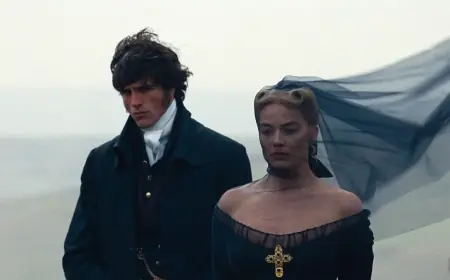






How to Get to Heaven From Belfast: Lisa McGee’s Female-Led Murder Mystery Reunites Old Friends


Lisa McGee has traded schoolyard antics for a feverish caper. Her latest series, How to Get to Heaven From Belfast, folds her trademark humour into a taut mystery about loyalty, buried secrets and small-town unease. Centering on three middle-aged women who reunite at the funeral of a childhood friend, the show mixes frantic plotting with pointed observations about friendship and life in Northern Ireland.
A twisty premise with a comic undercurrent
The story follows Dara, Saoirse and Robyn as they converge on the funeral of their fourth friend, Greta, a woman whose death or disappearance raises more questions than answers. Flashbacks reveal a traumatic incident in a forest years earlier, complete with a burned shack and occult markings that bind the four together. When the body in the coffin lacks the distinguishing tattoo the friends shared, suspicion takes hold and the trio begins to probe what really happened.
McGee leavens the detective elements with a distinctly comic sensibility. The characters trade sharp, funny lines even as they confront controlling partners, motherhood pressures and the slow creep of middle age. That tonal balance—caper energy tinged with genuine emotional stakes—keeps momentum high while allowing the show to explore why old bonds endure and how secrets calcify over time.
Standout performances and critical buzz
Performances are central to the series’ appeal. One lead in particular has been singled out for a show-stealing turn, delivering both physical comedy and an urgent, vulnerable core. Supporting roles include a menacing local police chief and a formidable matriarch who together help ratchet the stakes from small-town squabbles to darker possibilities.
Critics have praised the series for its pace and plotting, calling it a frenetic, witty caper that rarely lets up. Reviewers highlight the way McGee’s writing sustains tension while allowing for moments of genuine warmth and absurdity—an approach that keeps viewers invested in both the mystery and the characters driving it.
Roots, themes and what viewers can expect
McGee’s upbringing and early storytelling instincts inform the series’ texture. She has long been drawn to mysteries and framed this project as a chance to put women at the center of a traditionally male-dominated genre. The result is a show that feels both intimate and cinematic: intimate in its attention to the rhythms of female friendship and family life, cinematic in its set pieces and the way past trauma is dramatized across time.
Expect whirlwind plotting, sharp comic beats and scenes that pivot quickly from light to dark. The series also carries a strong sense of place—small-town mores, the residual oddness of everyday routines, and how ordinary lives are reshaped by extraordinary events. For viewers who appreciate character-driven mysteries that prize humour as much as suspense, this offering stakes a claim as a must-watch.
In short, How to Get to Heaven From Belfast is Lisa McGee working in full-throttle mode: a female-led mystery that entertains while digging at the messy underpinnings of friendship, memory and the stories people tell to keep themselves sane.