























Ramadan events set to bring communities together across north‑west England

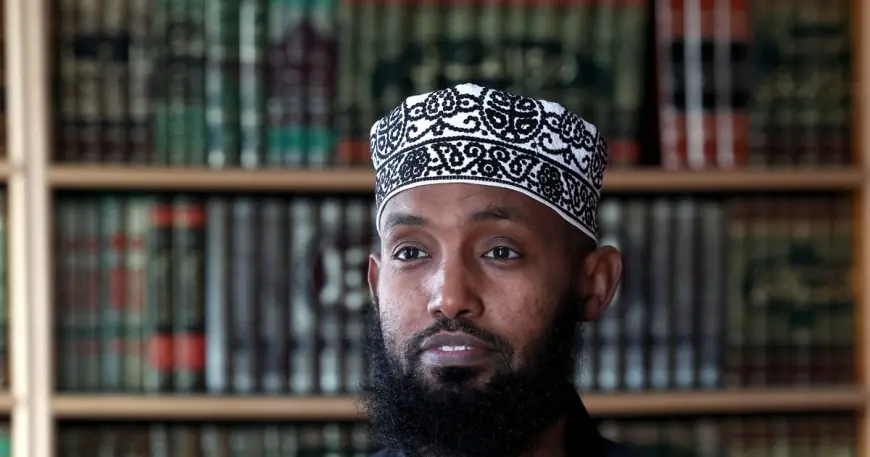
Muslim communities across north‑west England are preparing for a month of fasting, prayer and communal meals as Ramadan is due to begin later this week. Mosques, volunteers and local restaurants are readying iftars, charity drives and practical measures to support thousands observing the fast.
Mosques, volunteers and the iftar effort
Local Islamic centres have spent recent days finalising plans for one of their busiest periods of the year. At neighbourhood mosques volunteers are organising food distribution, prayer timetables and welfare checks for vulnerable worshippers. One management team in Manchester says it will feed roughly 300 people each evening during the first days, serving a mix of students, families, people living alone and asylum seekers. Much of the food is provided by local community donations and staffed by volunteers.
Organisers explain their preparations cover more than food: logistics such as ground control, security and health and safety are being tightened, and worship leaders are focusing on the spiritual aims of the month — encouraging good character, curbing harmful habits and presenting the faith positively in public life. The communal atmosphere that develops at iftar attracts people from across the city, creating a sense of togetherness that volunteers say is central to the month.
Nearby restaurant districts that normally bustle throughout the year are also gearing up. Some restaurant owners describe Ramadan as a special time when families and friends gather to break the fast, while acknowledging added pressure on kitchens and staff. In past years, businesses have adjusted opening hours to match late iftar times; this year’s calendar alignment means many iftars will fall closer to typical dinner hours, easing some logistical strain.
Practical and health guidance for fasting
Ramadan falls in the ninth month of the Islamic lunar calendar and marks a period of daytime fasting from dawn to sunset. The fast includes abstaining from food and drink — including water — smoking and sexual relations during daylight hours. The start of the month depends on the sighting of the new moon, so the fast is expected to begin at sunset on Tuesday, February 17 or Wednesday, February 18, 2026 (around 12: 30 p. m. ET). The month lasts 29 or 30 days and concludes with the festival of Eid al‑Fitr.
Typical fasting hours in the region are long: the dawn fast begins at roughly 12: 00 a. m. ET, with the fast ending around 12: 30 p. m. ET each day. Not everyone is required to fast; exemptions exist for people who are unwell, travelling, or for women who are menstruating, pregnant or breastfeeding. Those who miss fasts for valid reasons can usually make them up later.
Nutritionists and community health advisors stress sensible eating patterns at iftar and suhoor (the pre‑dawn meal). Dates are traditionally used to break the fast and are recommended both for religious and health reasons. Nutritionist Shehnaz Bashir notes that dates contain easily absorbable sugars that help restore blood glucose quickly, while also supplying complex carbohydrates, fibre and vitamins such as B6, A and K plus iron. Those qualities can help sustain energy through the day, aid hydration and reduce the urge to overeat at iftar.
Community health volunteers add that common issues during the month include digestive discomfort and changes in weight — some people lose weight, others gain if evening meals are excessive. Drinking water at iftar and choosing fibre‑rich foods can help prevent constipation and bloating. Many mosques provide advice and signpost worshippers to local health services if needed.
Numbers and neighbourhoods
The north‑west hosts a sizable Muslim population, with roughly 560, 000 people across the region. They comprise about 12% of Greater Manchester’s population and around 8% of Lancashire’s, with smaller shares in other counties. Mosques and community groups across these areas expect an uptick in footfall for evening prayers and communal meals throughout the month.
As Ramadan begins, communities will be balancing spiritual aims with practical support: feeding those in need, offering a welcoming iftar table, and ensuring safety and wellbeing for all who take part in the month’s observances.