
























Lunar New Year ushers in the Year of the Fire Horse — what to expect and how communities are preparing

The Lunar New Year has arrived, and with it comes a rare turn in the Chinese zodiac: the Year of the Fire Horse. Astrologers and practitioners of Chinese metaphysics describe this combination as intense and transformational, inspiring celebrations across communities while prompting a renewed interest in time-honored customs designed to secure good fortune for the months ahead.
What the Year of the Fire Horse means
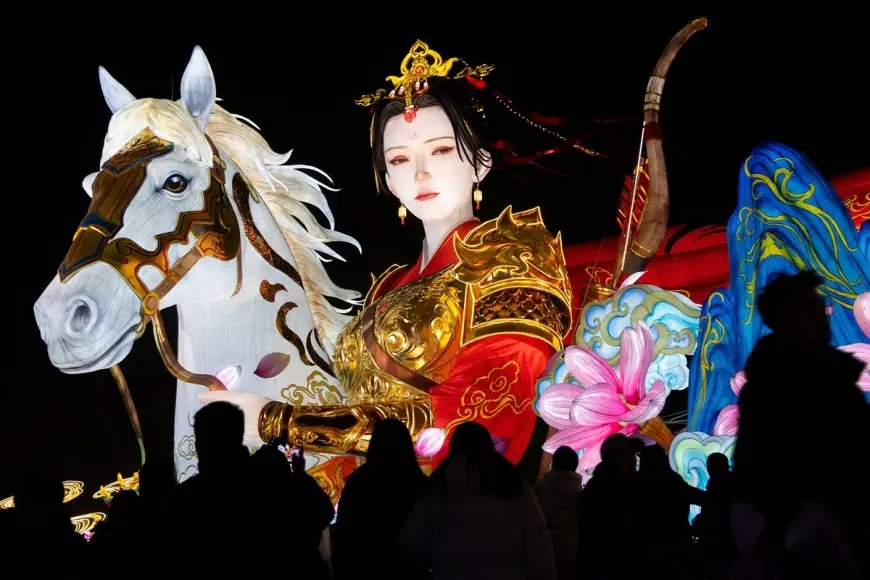
The horse in the Chinese zodiac is associated with energy, independence and forward motion. When paired with the element of fire, that energy becomes amplified — often portrayed as bold, combustible and driven. Forecasters for the zodiac say this alignment can catalyze change: personal reinvention, swift opportunities, and a surge of momentum in career and creative endeavours. The rarity of a fire-horse year has prompted extra attention from those who follow lunar forecasting, with many advisers highlighting both potential gains and the need for caution.
The combination is not uniformly auspicious or ominous; rather it is characterised as high-octane. For some, the year could deliver breakthroughs and a renewed appetite for risk. For others, the same traits can produce instability if actions are rushed or conflicts are mishandled. Cultural commentators encourage channeling the horse’s stamina and the fire element’s drive into disciplined plans rather than impulsive moves.
Customs, dos and don’ts for the festival
Traditional practices around the Lunar New Year remain central to how many people mark the season. The festival is commonly framed as a time to sweep away the old and invite new opportunities, and that framing shapes a long list of rituals observed across households and communities.
Common precautions emphasized during the first days of the festival include avoiding cleaning tasks that symbolically remove luck, such as sweeping or dusting, and postponing haircuts for the full 15-day celebration period. Many families wear red to signal good fortune and protection; sombre hues associated with mourning are typically set aside. Practical taboos — like not taking out rubbish or avoiding lending money on the holiday — are observed by those who want to preserve prospective wealth for the coming year. The first day of the new year is often treated as especially delicate: people avoid arguments and tears to prevent setting a negative tone for the months ahead.
Food and ritual also play prominent roles. Some communities observe vegetarian meals on particular lunar days as part of spiritual practice, while offerings and visits to household deities and temples mark the broader cultural landscape. The festival’s cadence — from careful preparations in the days leading up to the new moon through lantern celebrations on the full moon — emphasizes renewal and connection.
Community mood and celebrations
Across cities with active diaspora communities, organisers have ramped up programming to blend tradition with public celebration. Local cultural groups are arranging parades, performances and educational events aimed at sharing the festival’s meaning and fostering communal ties. One co-founder of a Hong Kong–Nottingham cultural group said the organization plans events that both honour ritual practice and invite newcomers to learn about the season.
For many, this year’s mix of promise and volatility has heightened attendance and engagement: people are curious about the practical implications of a fire-horse year and eager to participate in rituals they hope will usher in stability. Celebrations range from intimate family gatherings to large outdoor events, with lion dances, lantern displays and festive food central to the mood.
As the weeks unfold, the Year of the Fire Horse looks set to be defined by a tension between daring initiatives and the comforting rituals that aim to ground them. Whether communities will channel the year’s intensity into sustained gains or stumble into avoidable disruptions may rest on one enduring festival lesson: balance ambition with tradition.