























Sarah Spain Doubles Down After Calling Vice President ‘a Demon’ at Milan Cortina Olympics

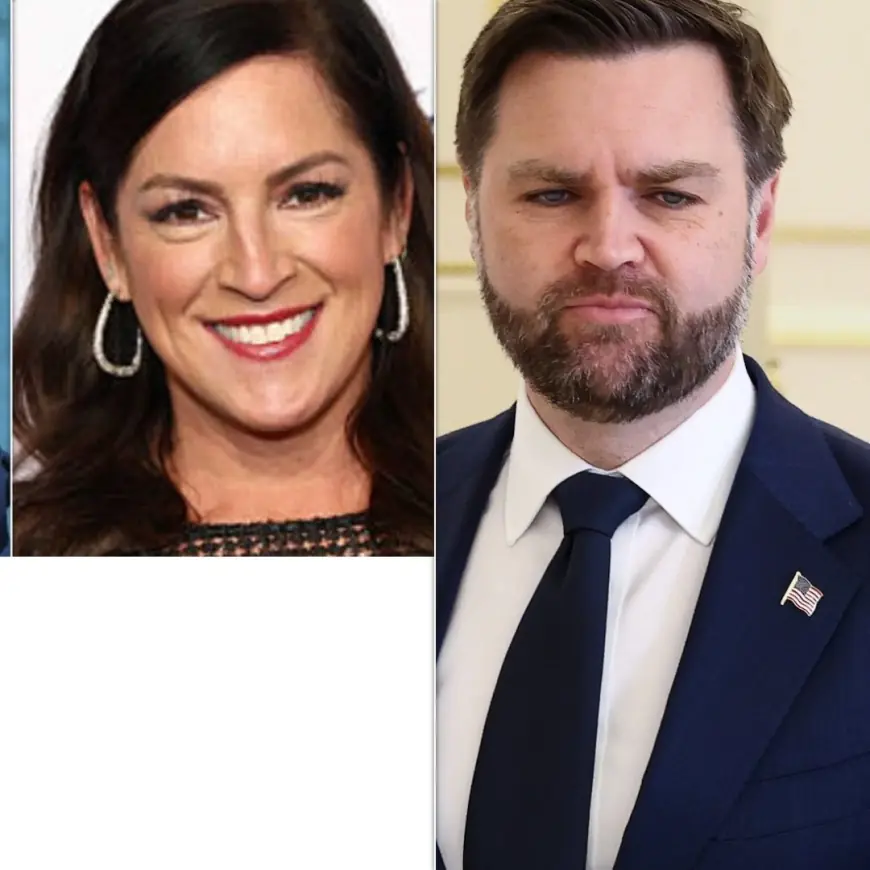
Veteran sports broadcaster Sarah Spain has pushed back against a wave of online abuse after publicly criticizing Vice President JD Vance for his presence at a U. S. women’s hockey match at the Milan Cortina 2026 Winter Olympics. Spain said the encounter made her physically uncomfortable and has defended her choice to speak out while condemning the hateful responses she has received.
What Spain said at the rink
Spain, host of the podcast "Good Game, " described sitting near the vice president during the U. S. women’s hockey match as a jarring experience. She told listeners she felt "ill" and that the moment registered in her body as if she had "looked at a demon, like the devil. " She characterized the sensation as an instinctual reaction — a tingle that made her feel something was off and that it might be safer to move away.
Beyond the personal reaction, Spain also raised practical complaints about the delegation’s arrival. She said the security detail obstructed fans’ views of the ice and that photographers quickly shifted attention from the game to the visiting officials. In a post-game segment with her co-host, she and a colleague examined players’ comments to determine whether their excitement at the delegation’s presence was spontaneous or staged.
Backlash and Spain’s response
After her initial remarks, Spain addressed hostile responses that flooded her social accounts. In a video recorded at one of the Olympic venues, she warned followers they might see abusive comments she hadn’t yet deleted and said many of the posts came from supporters defending the vice president. She listed some of the insults she encountered — including slurs about her appearance and wishes for her death — and condemned the volume and vitriol of the messages.
Spain characterized some defenders as "so cotton-headed that they will defend literally anything done by this person" and made clear she would not be cowed. She said she was "living the dream" despite the backlash and stood by her original characterization of the encounter. Her remarks underscore how charged moments at major international sporting events can quickly spill into broader political and cultural disputes.
What this moment signals
The episode highlights a collision of sports coverage, political symbolism and social media outrage. A vice-presidential appearance at an Olympic event, intended as a show of support for athletes, became a focal point for commentary about access, optics and behavior. Spain’s candid description of her physical reaction tapped into a visceral response that resonated with some observers and provoked sharp pushback from others.
As major sporting events continue to draw high-profile political figures, expect similar flashpoints where proximity, perception and platform converge. For journalists and commentators on the scene, the challenge remains balancing personal reaction, professional duties and the inevitable torrent of public response that follows on social channels.
Spain’s decision to publicly reiterate her view and call out abusive commenters suggests she will continue to speak candidly from the field, even as her comments generate controversy off it.