

























Pancake Day 2026: From Elizabethan batter to modern kitchen kit

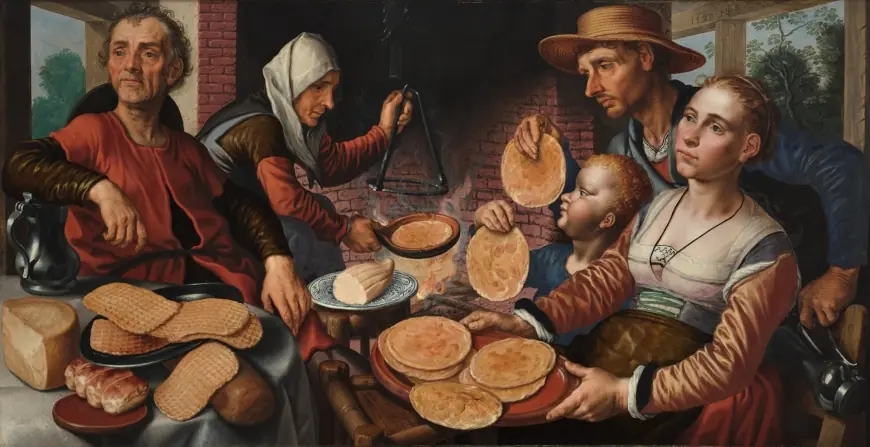
Shrove Tuesday this year falls on February 17, 2026 (ET). Once a practical last hurrah before the Lenten fast, Pancake Day now blends centuries-old recipes with contemporary appliances and family traditions. Here’s a concise look at the dish’s curious past and how households are marking the day in 2026.
A long history on the Shrovetide table
Pancakes have been on English tables for centuries, often made thin and fried until crisp. Early recipes used rich, perishable ingredients — eggs, cream, butter and animal fats — that needed to be used up before Lent, which helps explain why pancakes became so closely associated with Shrovetide. Historical preparations ranged from simple egg-and-water batters seasoned with warm spices to more indulgent mixes that folded thick cream and ale into the dough.
One Elizabethan-style recipe preserves the taste of its era: a pint of thick cream combined with several egg yolks, a handful of flour and a few spoonfuls of ale, then sweetened and spiced before frying in molten butter until very dry and crispy. Other seventeenth-century cooks recommended mixing beaten eggs with running water rather than milk, arguing that dairy could make pancakes dense rather than light and crisp. For many cooks of the time, pancakes and fritters were interchangeable terms, with fritters often featuring fruit or other fillings.
Over the centuries, the basic flat cake has evolved alongside innovations in milling, raising agents and cookware. The gradual arrival of self-raising flours and modern baking powders simplified batter preparation, while changing tastes expanded the pancake’s role from a Shrove Tuesday necessity to an all-weekend breakfast staple and a vehicle for both sweet and savoury toppings.
Pancake Day 2026: kitchens, kits and contemporary customs
In 2026, Pancake Day is both a culinary tradition and a convenient excuse to try new gear. Many households are choosing skillets and non-stick pans designed for even browning, while others opt for dedicated crepe pans, electric griddles or specialty appliances that promise consistent results for large batches. Air-fryer pancakes and preheated griddles have become part of the conversation for cooks looking to speed up service without losing the crisp edges some prefer.
While the classic pairing of sugar and lemon remains popular, stacks now sport a wide variety of toppings: berries and maple syrup for the sweet set, and cheese, smoked salmon or savoury fillings for those who prefer dinner-style crepes. The core practice that endures is the ritual of clearing pantry ingredients—eggs, butter, milk—and sharing the results around a warm table.
Family memories and simple techniques that last
For many, Pancake Day is less about trends than about memory. Homemade batters, a rested bowl left for half an hour, the controlled sizzle of batter meeting a warm pan and the satisfying flip with a spatula are elements that recur in family stories. Simple techniques passed down across generations—resting batter, frying on moderate heat, flipping once—often make the difference between a limp pancake and a golden, edged disc that invites a squeeze of lemon and sprinkle of sugar.
Community rituals also persist: neighbours sharing recipes, families reviving century-old spice mixes, and informal races or fundraisers that make the morning social as well as culinary. Whether an old family recipe calls for ale and cream or a modern stovetop batter relies on one cup of flour and an electric griddle, Pancake Day remains a pause for togetherness on the calendar just before Lent begins.
This Shrove Tuesday, the day blends history, home cooking and the occasional shiny kitchen gadget, all in service of a simple pleasure: a hot pancake straight from the pan.