
























Crockett vs. James Talarico: Progressive Rivalry Centers on Style, Coalitions and November Odds

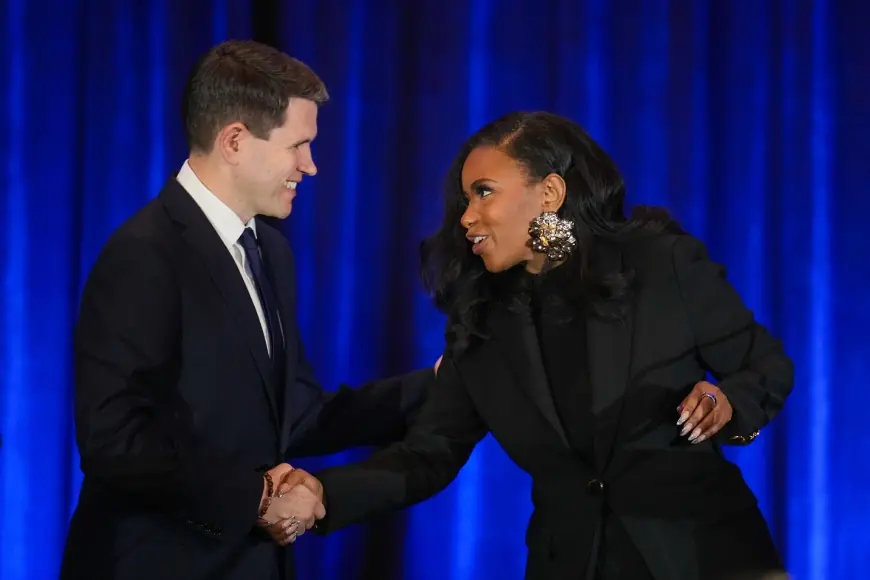
The Democratic primary for U. S. Senate has narrowed to a contest that is as much about messaging and coalition-building as it is about policy. U. S. Rep. Jasmine Crockett and state Rep. James Talarico both stake their campaigns on progressive priorities, but differences in tone, outreach and the politics of race could shape which nominee heads into the November general election. The primary is set for March 3, 2026 (ET).
Policy alignment — similar agendas, subtle distinctions
On many core issues the two candidates present a similar progressive platform. Both embrace measures to address income inequality and want the wealthiest Americans and largest corporations to pay more, and both framed pushback against the current federal administration as an imperative. Each called for changes to Immigration and Customs Enforcement while stopping short of endorsing abolition.
Where differences emerge, they tend to be in emphasis rather than direction. James Talarico has publicly advocated raising income and capital gains taxes on the wealthiest to fund expanded programs for ordinary Americans and has described the need to overhaul immigration enforcement by replacing the division with an agency focused on public safety. Crockett has labeled the agency a "rogue" institution and urged a more sweeping congressional cleanup of its leadership and practices.
Both candidates acknowledged that actions by the former president rise to the level of impeachable offenses, though each has weighed the political calculus of formal proceedings. Policy overlap — from farm and energy issues to criminal justice and tax fairness — leaves voters watching for distinctions in execution and temperament rather than in doctrine.
Style, faith and the fight for Black voters
The clearest contrasts are stylistic and strategic. Crockett built her political profile as a combative defender of progressive priorities who relishes high-profile clashes with Republicans. Her campaign brand leans on that brawler image while also pressing technical competence on complex policy questions in public forums.
James Talarico has pursued a different lane, emphasizing moral arguments rooted in his Christian faith and framing his candidacy as one motivated by both policy and personal conviction. He has said he is studying for ministry, and that religious grounding informs how he debates legislation and the tone of his campaign.
Race and coalition politics loom large. Black voters are pivotal in the Democratic primary electorate, and internal tensions that surfaced early in the cycle have persisted. A campaign episode last year involving selective polling disclosure drew criticism for excluding Black voter data, and more recent online allegations alleging racially insensitive comments have further complicated Talarico’s outreach to Black communities. The Austin lawmaker has pushed back against the framing of that episode and emphasized a positive, respectful campaign, saying he intends to introduce himself directly to Black voters across the state to earn their trust.
Meanwhile, supporters of both candidates have clashed online. Some digital sparring has carried racial undertones, raising concern among Democratic operatives that intra-party fights could hinder unity ahead of what will be a steep statewide climb for the eventual nominee.
November math and the pressure to unite
The historical context tightens the stakes. No Democrat has won a U. S. Senate race in the state since 1988, a reality that frames the March 3 primary as more than a partisan intramural test. Democrats enter the general election facing an uphill battle in a state that has favored Republican ticket-toppers in recent cycles, and unity after the primary will be critical.
Party leaders acknowledge there will be "some hurt feelings, " but emphasize the necessity of rallying around the nominee to mount a credible challenge. The contest will test whether competing wings of the party can reconcile differences of style and underscore shared policy priorities to forge a broad, multi-racial coalition for November.
With early voting approaching and both campaigns jockeying for momentum, the outcome will hinge on which candidate can translate progressive alignment into statewide appeal: the combative, nationally visible congresswoman who leans on high-profile fights, or the younger state lawmaker who combines progressive policy prescriptions with appeals to faith and moral leadership. Either path will require persuading skeptical voters across diverse regions of the state and reassembling a Democratic coalition that has not prevailed in statewide Senate contests for more than three decades.