

























Pancake Day 2026: a brief history and why this year’s Shrove Tuesday still flips tradition on its head

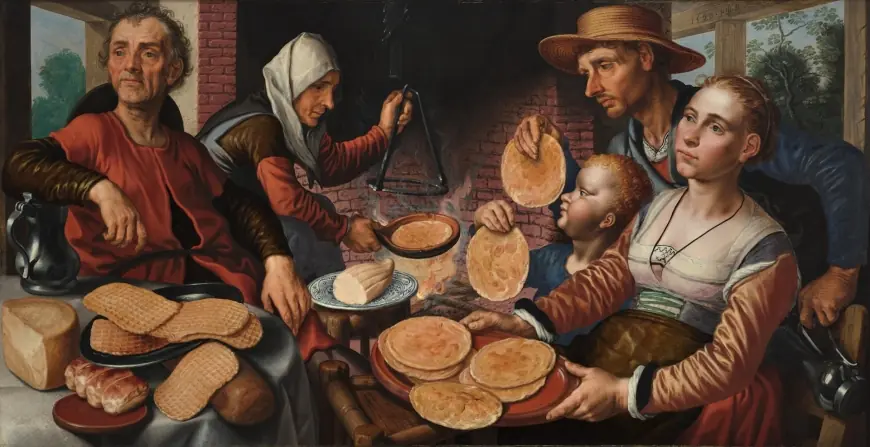
Pancake Day 2026 falls on Tuesday, February 17, 2026 (ET). What began as a practical culinary solution to use up rich ingredients ahead of Lent has evolved into a global day of batter, toppings and community events. Here’s a look at the story behind the stack, how recipes have changed over centuries and how communities mark Shrove Tuesday today.
From Elizabethan ale to the invention of self-raising flour: early pancake practices
Early English recipes show pancakes as very thin, crisp affairs made from the kinds of rich ingredients that were supposed to be avoided during the Lenten Fast. Eggs, cream, butter and animal fats were commonly used to clear pantries before Lent, which helps explain why Shrovetide became synonymous with pancakes. One reconstructed Elizabethan batter mixes a pint of thick cream with several egg yolks, a handful of flour, two or three spoonfuls of ale and a heavy hand with sugar and warm spices such as cinnamon and ginger, the whole cooked in molten brown butter until dry and crisp.
Not all historical cooks relied on dairy. A popular 17th-century recipe recommended beaten eggs thinned with “running water, ” seasoned with salt and warming spices and fried in sweetened butter or pig fat to achieve a thin, lacy texture. That writer argued milk or cream made pancakes cloying and prevented the crispness valued at the time. The diarist who famously noted family pancake preparations in 1661 found the results “very merry” and praised the fritters he ate that Shrove Tuesday—an indication that for many the day has long been as much social as culinary.
Modern pancakes: infinite forms and fearless toppings
Today’s pancake culture is intentionally catholic. Britain tends to favour the crepe-style pancake—thin, pliable and most commonly served with lemon and sugar—but elsewhere the dish has diverged dramatically. North America favours thick, fluffy stacks drenched in maple syrup; France elevates the crepe into theatrical desserts that can be flambéed; Japan produces souffle-like pancakes that rise like delicate towers; and many Asian cuisines offer savoury, vegetable-packed versions. That variety helps explain why Shrove Tuesday survives: it has room for both tradition and invention.
For home cooks who prefer simplicity, a three-ingredient batter remains a reliable go-to: flour, eggs and milk, rested and fried briefly to produce light, flexible pancakes ready for classic lemon-and-sugar treatment. Others lean into excess—ice cream, chocolate sauce, fruit compotes or unconventional pantry items—turning the day into a celebration of personal taste rather than a single culinary prescription. Chefs and food creators continue to riff on texture and topping, while many households simply prioritise making more batter than strictly necessary.
Community observances and family rituals on Shrove Tuesday
Beyond the kitchen, Pancake Day remains an opportunity for community gatherings. Churches, neighbourhood groups and schools often host pancake evenings with crafts and shared meals. In one community event last year, a combined churches service with pancakes and children’s activities was scheduled for the evening at a local church; converted to Eastern Time, a 5: 30 pm local start corresponds to 10: 30 am ET on the same day, illustrating how local observances translate across time zones for those tracking the day from abroad.
For many, the pancake toss endures as a playful ritual that stretches back centuries. Ingredients themselves have acquired symbolic meanings tied to Christian practice, but for most people the day serves a simpler purpose: family, flavour and a chance to gather before the liturgical season of Lent begins. Whether you prefer a paper-thin crepe, an ale-tinted Elizabethan crisp, or a velvet, souffle-style stack, Pancake Day 2026 provides permission to experiment and to indulge—then start the quieter weeks that follow.