
























Rupert Lowe launches Restore Britain, attracting hard‑right backing and threatening Reform UK vote

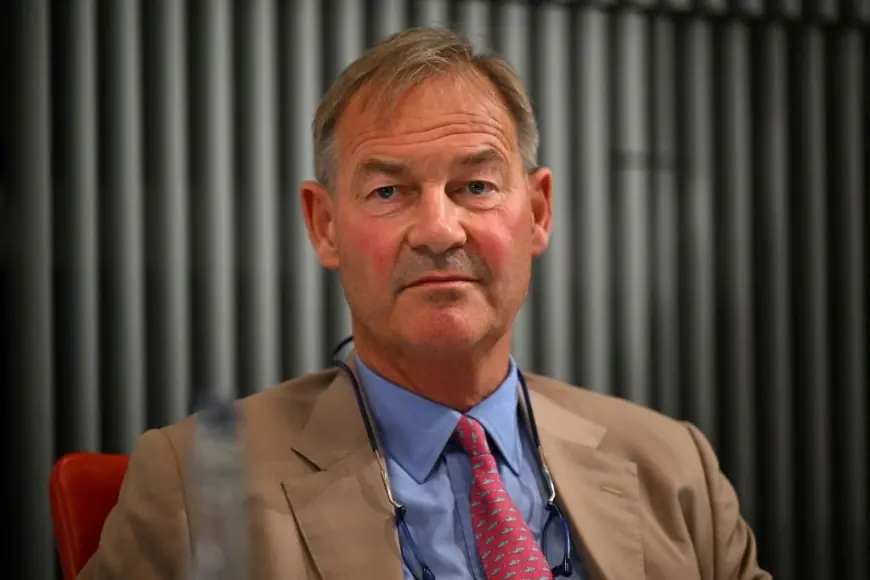
Rupert Lowe formally transformed his Restore Britain movement into a national political party on Friday night (ET), using a launch event in Great Yarmouth to set out hard‑line immigration policies and to rally a constellation of figures to his cause. The move risks fragmenting the right‑wing vote and complicating plans by Reform UK to consolidate support on its flank.
Hard‑line rhetoric and a national ambition
At a packed local theatre event, Lowe used stark language about immigration, telling the crowd that "millions will have to go" as he outlined proposals that include mass removals. He introduced councillors who will stand locally under a Great Yarmouth First banner and said Restore Britain would operate nationally as an umbrella for similar local groups. Lowe, who was elected as a Reform MP last year and now sits as an independent, launched Restore Britain after being suspended from his former party.
The launch crystalises a shift from pressure group to party: organisers presented Restore Britain as capable of fielding candidates beyond Norfolk, with an appeal aimed at voters who feel mainstream right‑wing parties have softened on immigration and identity issues. Lowe framed the party as reclaiming a political ground he says has been abandoned by existing options, promising an uncompromising agenda that distinguishes Restore Britain from more cautious rivals.
Allies, amplification and the risk of vote splitting
Fresh endorsements and online amplification have followed the launch. Hard‑right activists and a cohort of young, nationalist influencers have publicly embraced Lowe, while wealthy backers and public figures have signalled support. High‑profile amplification on social channels has raised the new party's profile rapidly, and other hard‑right outfits are reported to be open to co‑operation or merger talks.
Political strategists warn that the entrance of Restore Britain onto the national stage could bite into Reform UK's vote share in marginal seats. At the last general election dozens of constituencies were decided by narrow margins, meaning a new entrant attracting a few thousand votes in the right places could change outcomes. For Reform UK, which has built momentum by occupying anti‑establishment and anti‑immigration territory, a split on the hard right could blunt its growth and hand advantage back to larger parties under the first‑past‑the‑post system.
The launch has also prompted a pullback from some figures who had been involved with Lowe's movement when it was a pressure group. Several senior Conservative figures who had been named on advisory lists are stepping away now that Restore Britain is a registered political party, signalling discomfort among mainstream allies about the new party's tone and tactics.
Local roots, national questions
Restore Britain's origins are rooted in Great Yarmouth politics, where Lowe has cultivated a local base and where a small team will contest upcoming local elections. Organisers hope to parlay local successes into a broader electoral network of partner parties and local brands operating under the Restore Britain umbrella.
Yet questions remain about organisational capacity, fundraising beyond initial high‑profile donations, and the appeal of a platform that embraces strict immigration and identity policies. If the new party wins only a handful of seats it may still exert outsized influence by forcing rivals to take harder positions or by siphoning votes in tight contests.
The coming months will test whether Restore Britain can convert attention into sustainable support, or whether it becomes another short‑lived fracture on the right that ultimately helps traditional parties maintain or regain ground.