
























Isabeau Levito and the ‘Blade Angels’ Era: A Sharper, Stronger Image for U.S. Women’s Figure Skating

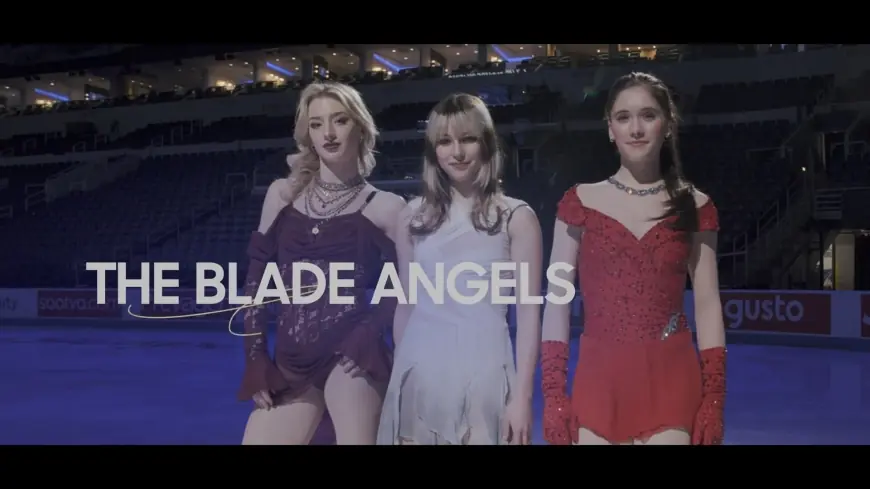
As the 2026 Winter Games in Milan unfolded on Feb. 6–8, 2026 (ET), a new visual and athletic language in U. S. women's figure skating became undeniable. The trio that anchored the team event drew headlines for more than podium placements; they symbolized a stylistic shift away from the classic "ice princess" mold. Isabeau Levito, a prominent figure in the broader U. S. scene, figures into that shifting narrative as part of a generation that prioritizes power, personality and modern presentation.
A new, sharper image on Olympic ice
The performances that captured the spotlight in early February emphasized athleticism and attitude alongside traditional artistry. The team event in Milan showcased skaters whose programs leaned into assertive costuming, contemporary music choices and choreography that favors speed and sharp edges. The prevailing aesthetic has been nicknamed the "Blade Angels, " a moniker embraced by fans and personalities who have amplified its cultural cachet.
That new presentation is about more than looks. It signals a recalibration of expectations: high technical content remains paramount, but skaters are packaging triple- and quadruple-jump content within programs that also communicate strength and individuality. The result is a cohort of athletes who look as combative as they are graceful, and who are rewriting what success and femininity can look like on the Olympic ice.
Where Isabeau Levito fits in — athleticism, artistry and appeal
Isabeau Levito has been part of conversations about the sport’s evolution, emblematic of skaters who blend competitive ambition with contemporary performance sensibilities. Whether by design or by the demands of modern competition, Levito and her peers present routines that feel current: dynamic entrances, music that resonates beyond classical standards, and choreography that foregrounds speed and intent.
That combination has commercial and cultural ramifications. A new generation of skaters is more than athletes; they’re personalities viewers recognize and follow. When pop culture figures and high-profile moments intersect with Olympic performances, the visibility of the sport widens—and skaters like Levito benefit as ambassadors of a refreshed image. The shift helps sustain interest in figure skating outside traditional fan circles and invites new audiences to appreciate both the technical mastery and the contemporary storytelling on ice.
Implications for the sport’s future
The momentum behind the "Blade Angels" aesthetic raises questions about training priorities and judging expectations going forward. Coaches and choreographers are adapting to balance the raw athleticism required for the highest-scoring elements with programs that convey distinct identities. Young skaters entering the pipeline will likely be encouraged to develop both jumping prowess and compelling, modern presentation skills.
For the broader U. S. program, the shift signals strength in depth: a pool of athletes capable of filling multiple roles on international rosters, from team events to individual challenges. It also suggests a cultural moment in which figure skating’s visual language is evolving—less tethered to vintage romanticism and more aligned with contemporary expressions of confidence.
Isabeau Levito’s place in this trend underscores the multiplicity of paths to prominence in modern skating. Whether she is at the center of the spotlight or part of a wider cast of athletes driving change, Levito represents a generation that has helped redefine what U. S. women’s figure skating looks like in the 2020s: faster, edgier and unmistakably its own.