























Isabeau Levito, Blade Angels Keep Cool as U.S. Chases Women’s Singles Medal in Milan

MILAN — Isabeau Levito brushed off the kind of stress most athletes would find trivial: mold on a houseplant. It was Monday (ET), roughly 24 hours before the biggest short program of her life, and Levito was more concerned with salvaging greenery than succumbing to the mounting Olympic pressure around her.
Cool heads amid chaotic arena atmosphere
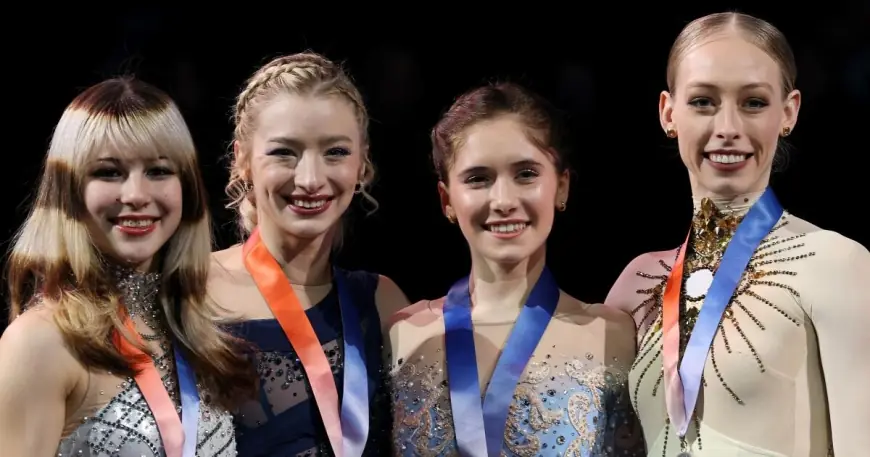
At the Milano Ice Skating Arena, the mood has been uneasy. Expectations for the U. S. squad were sky-high, but results so far have been a mixed bag. One presumed gold-medal favorite stumbled, and a celebrated ice-dance pairing left the ice with what they called a bittersweet outcome after judging pushed them off the top step. Even so, the American women arrive in the individual competition with optimism: the depth and varied styles of the trio nicknamed the "Blade Angels" make them a strong bet to break a long drought.
The last time a U. S. woman stood on the Olympic podium in an individual figure-skating event was in 2006. That 20-year span looms large in team conversations, but Levito and her teammates have been clear about keeping perspective. They trade banter, share practical solutions for day-to-day life on the bubble of competition, and try to treat long waits between events as part of the job rather than a test of nerves.
Different personalities, shared mission
The American trio brings distinct approaches to the ice. Levito, the 2024 world silver medalist, leans classical and balletic in technique but shows a playful, grounded side off the ice. Alysa Liu, the reigning world champion, projects a modern edge—her look and energy subvert older notions of what a champion skater should be. Amber Glenn blends raw power, including a triple axel, with emotional storytelling in performance, and has spoken openly about personal struggles earlier in her career.
They arrived at a team identity with a wink: after tossing around names they could not use for legal and taste reasons, they settled on a mashup that nods to both pop culture and skating lore. The moniker fits their dynamic. "We’re all so different, " Levito said. That diversity, team members say, is actually a strength. Each skater’s unique strengths increase the chances the United States can finally land a women’s singles medal in Milan.
Long competition stretches and mental tolls
The competition schedule has been punishing. Liu and Glenn already helped the United States win the team gold more than a week before the individual events, meaning they’ve been living in a high-pressure environment for an extended period. That kind of sustained intensity takes a psychological toll—especially for teenage athletes navigating sudden fame and amplified expectations.
Levito’s anecdote about the moldy plant is emblematic: it’s an effort to humanize the moment, to focus on small, solvable problems instead of spiraling over what might happen on the ice. The team’s approach is practical and communal—shared goals, shared routines, shared coping mechanisms. When a skater lands a clean program, they celebrate together; when one falters, the emphasis is on recovery and refocusing rather than blame.
The history on the line amplifies everything. The United States hasn’t claimed an Olympic gold in women’s singles since 2002, and no woman from the country has stood on the podium since 2006. That gap is both a burden and a motivator. For Levito, whose skating blends artistry with competitive bite, the aim is simple: perform the plan and let the results follow.
As the women’s short program approaches on Tuesday (ET), the Blade Angels will step onto the ice not just as individual medal hopefuls but as parts of a team that believes its varied talents can finally end a two-decade drought.