






















Pam Bondi’s Fiery House Hearing Escalates Tensions Over Oversight

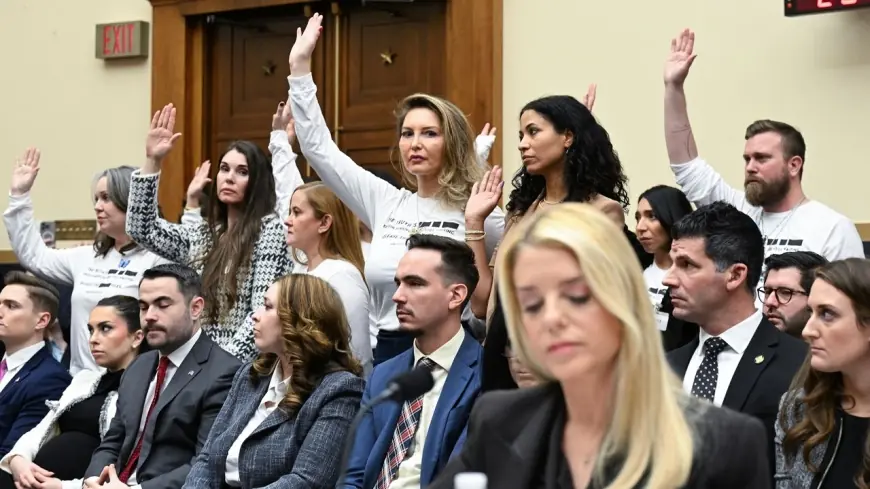
Attorney General Pam Bondi turned a routine congressional oversight session into a prolonged spectacle, unleashing pointed attacks, sustained what-aboutism and vocal praise for the president during a four-and-a-half-hour hearing on Wednesday (ET). The exchanges left lawmakers from both parties frustrated and raised fresh questions about the prospects for serious oversight of the Justice Department.
What unfolded on the House floor
The session stretched for more than four hours and repeatedly devolved into acrimony. At several points the attorney general openly clashed with members of the House Judiciary Committee, responding to questions with taunts and barbed remarks. One exchange saw the attorney general shout at a senior Democrat, calling him a "washed-up loser lawyer, " and in other moments she interrupted or dismissed members who pressed for documents or detailed answers.
Repeated uses of personal jabs punctuated the hearing. A member who asked for time was told, "Your time is up, " while another was told that he was "about as good of a lawyer today as you were when you tried to impeach President Trump. " A Republican who had pressed for release of files tied to controversial matters was derided as a "failed politician" suffering from what the attorney general labeled "Trump Derangement Syndrome, " and was later called a "hypocrite" for prior votes.
Playbook: deflection, dossiers and disdain
The attorney general leaned heavily on a familiar strategy: deflection by pointing to past actions of predecessors and challenging the motives or records of members pressing her. She regularly redirected criticism by asking whether committee members had taken the same line with her predecessor, a tactic that shifted focus away from substantive answers.
Lawmakers described a prepared binder that the attorney general used to flip to names and bring up criminal cases from members' districts, a move one participant likened to a "burn book. " The binder functioned as both a rhetorical prop and a way to frame questions back at the panel, reinforcing a combative posture rather than fostering dialogue.
Indignation and open disdain for questioners were hallmarks of the session. When pressed on topics such as designations of extremist groups or requests for internal documents, the attorney general frequently rejected the premise of the questions and deflected to partisan critiques. At the same time, she expressed effusive praise for the president, inserting partisan endorsements into exchanges meant to be focused on oversight matters.
Implications for oversight and accountability
Committee members left the hearing noting that the format and the attorney general’s tactics made it difficult to secure substantive responses or new information. The dominant pattern of what-aboutism, counterattacks and theatrical retorts limited the committee's ability to extract facts and slowed efforts to hold the Justice Department accountable on contentious topics discussed during the session.
The hearing underscored a broader dynamic in which congressional oversight can become a stage for partisan confrontation instead of a forum for methodical scrutiny. Lawmakers from both parties found themselves targeted at different points, and the aggressive tone raised concerns about the prospects for productive engagement between the Justice Department and the House.
Whether the spectacle will translate into concrete repercussions or shifts in policy remains unclear. For now, the hearing serves as a vivid example of how high-stakes oversight encounters can turn into broadly performative contests, leaving critical questions unresolved and oversight goals unmet.