
























Pam Bondi criticised after DOJ says all Epstein files have been released

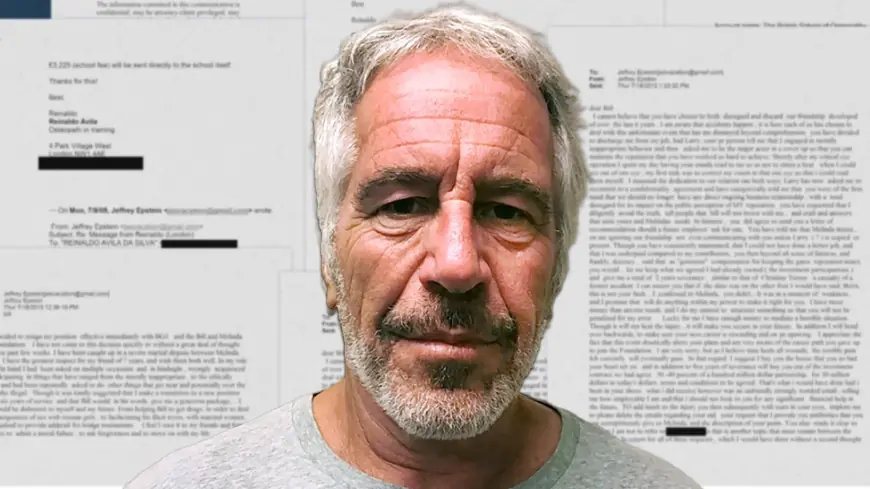
The US Department of Justice says it has fulfilled its obligations under the Epstein Files Transparency Act, but lawmakers and advocates say the release falls short. The two-page letter from US Attorney General Pam Bondi and her deputy asserts that all records in the department's possession that relate to the relevant categories have been turned over, but questions persist about how much material remains withheld and why.
Letter to Congress declares release complete, but lawmakers demand more
In a letter sent to key congressional judiciary leaders on Saturday (ET), Bondi and her deputy outlined a list of names appearing in the documents and stated that the department had released all "records, documents, communications and investigative materials in the possession of the Department" that relate to the nine categories set by the law. The letter also emphasised that no records were withheld on the basis of embarrassment, reputational harm, or political sensitivity.
Still, lawmakers who co-authored the transparency law pushed back. Kentucky Republican Representative Thomas Massie argued in a Sunday television interview (ET) that internal deliberative materials — memos, notes and emails about prosecutorial decisions — should be part of the public release. Massie said the department appeared to be invoking deliberative process privilege to withhold documents that would show how past decisions were made.
California Democratic Representative Ro Khanna, another co-author of the act, echoed concerns and accused the department of muddying the distinction between names that indicate criminal conduct and names that simply appear in records. Both Massie and Khanna urged further disclosures to clarify whether the release includes internal guidance on investigations and charging decisions.
Scope questions mount as analyses suggest only a fraction is public
The latest tranche of material followed an earlier mass release that the department said did not include roughly three million pages of content. Department officials cited the presence of personal medical files, graphic depictions of child abuse, and information that could jeopardise ongoing investigations as reasons for withholding that material.
Independent analysis of the documents made public has raised stark questions about the overall scope of what has been disclosed. Reviewers of the released files have identified internal references and redactions suggesting the public cache may represent a small fraction of what was recovered from the late offender's properties. One estimate from analysts examining the dataset contends that only around 2% of the total material retrieved by investigators may have been published so far, a figure that, if accurate, would leave significant holes in the public record.
Bondi and her deputy noted that the list of names in the released files includes a wide range of individuals: some who had extensive direct contact with the central figures in the case and others who were mentioned only in documents or news clippings contained within the files. The inclusion of high-profile names and deceased public figures in the list has heightened calls for clarity about context and completeness, with officials stressing that appearance in the files does not imply involvement in criminal conduct.
What critics want next and the path forward
Lawmakers pressing for further disclosure want explicit confirmation that internal deliberative materials — the communications that illuminate prosecutorial decision-making — have been reviewed and either released or narrowly justified as legitimately protected. They argue such documents are essential to understanding whether justice institutions handled the investigations and prosecutions appropriately.
The department's statement that no records were withheld for reputational or political reasons aims to counter suggestions of selective censorship, but it does not address the remaining questions over volume and classification. Advocates for survivors and some members of Congress say the public deserves a clear accounting of both what was released and the legal grounds for withholding any documents.
For now, the dispute appears set to play out in congressional hearings and potential follow-up requests for material or explanations. The debate over how much of what was seized will be made public — and how internal decision-making will be revealed — is likely to continue as lawmakers weigh oversight options and survivors seek fuller disclosure.