
















Tyler Perry’s Joe’s College Road Trip Review: Grandpa Knows Best

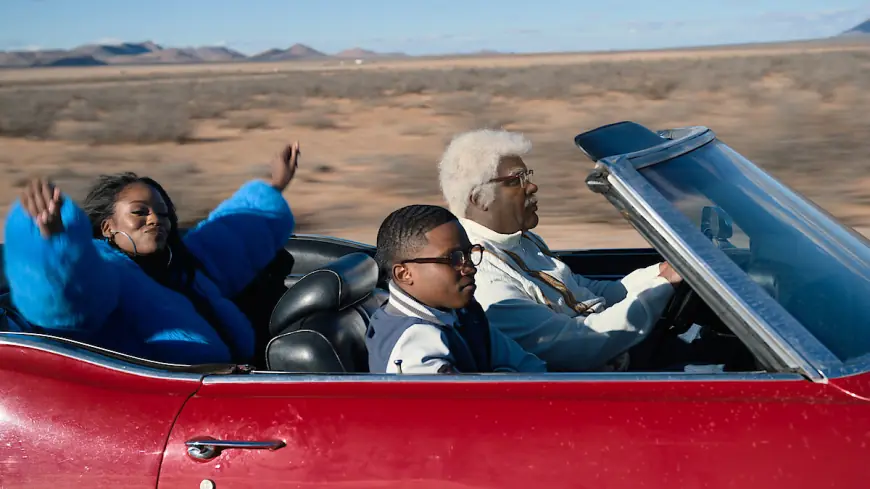
Tyler Perry leans into chaos with Joe’s College Road Trip, a profanity-laced, politically sharp road comedy that hands the reins to Grandpa Joe for much of its running time. The film is messy, audacious and at moments unexpectedly moving, turning a cross-country college run into a lesson in heritage and hard love.
Performance and character dynamics drive the film
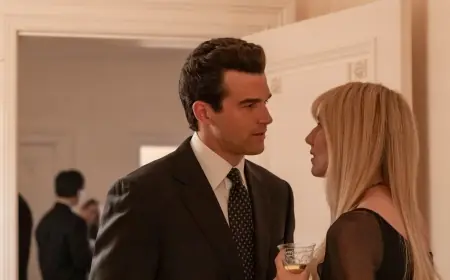
Perry plays multiple roles here, but it’s his take on Joe — Madea’s irascible brother — that propels the picture. Joe’s bluntness and comic timing supply the movie with a rough-edged energy: he’s alternately infuriating and astute, the kind of elder whose crude humor masks sharper instincts. The younger lead, B. J., is played with gullible sincerity and quiet intelligence; his arc from tentative teenager to someone confronted by the real weight of family and history is the emotional through-line.
Supporting work—most notably a standout from an actor portraying Destiny, a character who teaches B. J. lessons that extend beyond academics—adds texture. A cameo from a veteran performer rooted in soul and Southern funk brings an unexpected musical and cultural flourish to a sequence that is both raucous and instructive. The film’s comic beats sit alongside scenes that push into more serious territory, and the cast negotiates that tonal swerving with varying degrees of success.
Tone, language and a few big surprises
This is not a sanitized family movie. The script is littered with coarse language — so much so that the film leans proudly into its Rated R warning — and it does not shy from places or scenes that may unsettle viewers, including a visit to a brothel. That frankness, paired with Joe’s unapologetic barbs, gives the film a rawness that will divide audiences: some will find it liberating, others gratuitous.
Yet the film keeps one or two substantial revelations close to the vest, and observant viewers can spot clues long before the big reveal. A deceptively simple moment — a request for a photograph by the Mississippi River — carries weight and signals a deeper intent behind Joe’s brash behavior. Those narrative choices sharpen the movie’s emotional stakes and help explain why the story lands during the middle of Black History Month; its anger, pride and generational urgency are threaded into the plot rather than tacked on.
Cultural stakes and final verdict
At its best, the film is anarchic and alive, a stew of provocation, tenderness and cultural memory. At its worst, it feels overlong and scattershot, as if too many ideas were piled onto an already crowded road trip. Still, the movie’s willingness to confront racial epithets and family trauma head-on gives it a seriousness that elevates it beyond mere shock comedy.
Run time clocks in under two hours, and while the picture could benefit from tighter focus, it earns its emotional payoff. Fans of Perry’s older work will recognize his tonal fingerprints throughout, but even those unfamiliar with his recurring characters may find themselves unexpectedly invested in this uneasy, combustible intergenerational pairing. Grandpa Joe may be abrasive, but in this outing his stubborn love makes for a memorable, if imperfect, ride.