

























Iran Conducts Military Drills in Strait of Hormuz After Trump’s Threats

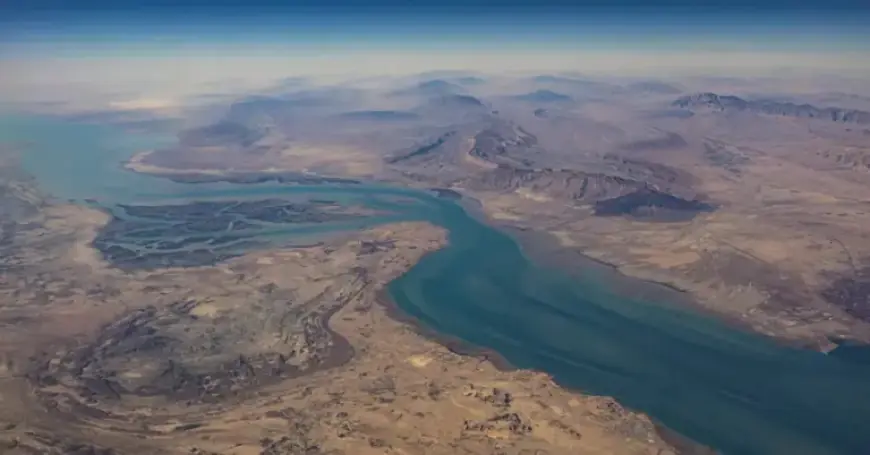
Iran recently conducted live military exercises in the Strait of Hormuz amidst escalating tensions with the United States. The drills occurred just a day before new negotiations concerning Iran’s nuclear program were scheduled to begin.
Overview of the Military Drills
The exercises were led by the Islamic Revolutionary Guard Corps (IRGC) navy, aimed at addressing “potential security and military threats.” According to the state-run IRNA news agency, this show of military strength serves as a response to increased American military presence in the region.
Context of the Exercises
These drills come in the wake of President Trump’s aggressive rhetoric and threats of military action against Iran. Trump has indicated that regime change would be favorable if diplomatic efforts fail. This sentiment was echoed in recent comments where he expressed that regime change would be “the best thing” for Iran.
The U.S. has significantly bolstered its military presence in the Middle East, deploying an “armada” described by Trump. This includes the U.S.S. Abraham Lincoln aircraft carrier, along with three warships capable of launching Tomahawk missiles. This naval buildup is part of a strategy to counter perceived Iranian threats and includes multiple warships positioned in critical areas like the Persian Gulf and the Arabian Sea.
Reactions and Implications
Analysts suggest these military drills serve multiple purposes, including discouraging U.S. influence and establishing Iran’s control over the Strait of Hormuz. This narrow waterway is essential for global oil and gas transportation, and Iran’s maneuvers could indicate a willingness to leverage its position.
- The Strait of Hormuz is 90 miles long, connecting the Persian Gulf to the ocean.
- Closing this strait could disrupt energy supplies and raise global oil prices.
Experts like Farzin Nadimi from the Washington Institute note that Iran’s actions are focused on demonstrating deterrence capability. Key goals include signaling to the Trump administration that any military conflict could significantly impact global energy markets.
Current Negotiations and Diplomatic Stalemate
As new talks were set to commence in Geneva, Iranian Foreign Minister Abbas Araghchi stated, “I am in Geneva with real ideas to achieve a fair and equitable deal.” However, he clarified that submission to threats is not an option.
The ongoing negotiations face fundamental disagreements, particularly regarding Iran’s nuclear program, its ballistic missile capabilities, and support for regional militant groups.
Challenges Ahead
Senior U.S. officials remain doubtful that Iran will meet Trump’s demands, which include:
- Halting its nuclear program.
- Reducing the number and range of ballistic missiles.
- Ending support for militant groups.
While Iran has indicated a willingness to discuss its nuclear program, it refuses to cease uranium enrichment or comply with other U.S. demands. As tensions mount, both countries face significant challenges in navigating this precarious situation.
The volatile nature of these developments emphasizes the importance of diplomatic solutions in avoiding further escalation and potential conflicts in the region.