






















Bradley Chubb Released by the Miami Dolphins, Hitting Free Agency as a Cap Reset Accelerates in 2026

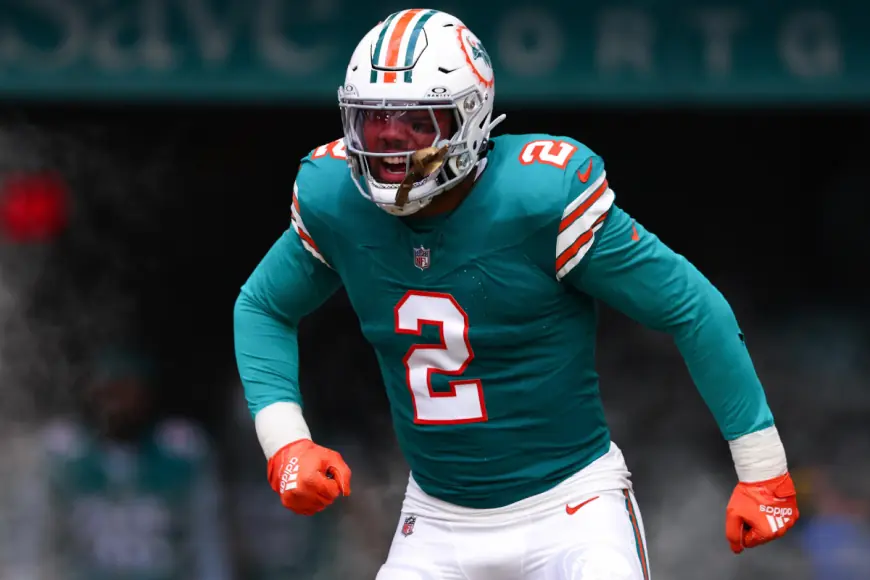
Bradley Chubb is heading to free agency after the Miami Dolphins moved on from the veteran edge rusher on Monday, February 16, 2026 ET, a decision that signals an aggressive roster and salary-cap reset under new team leadership. The move ends Chubb’s Miami tenure after parts of three seasons and immediately reshapes both the Dolphins’ defensive plans and the early-market pecking order for pass rushers.
Chubb, 29, is coming off a full 17-game season in 2025 in which he posted 8.5 sacks, 47 total tackles, and multiple forced turnovers, showing he could still be a productive top-end edge presence when healthy. That production, paired with the timing of the release, sets up a classic NFL free agency tension: proven pass rush remains one of the most expensive commodities in the sport, but availability and contract structure can decide whether a player is treated like a premium starter or a high-upside bargain.
What happened with Bradley Chubb in Miami
Miami acquired Chubb in a midseason trade in 2022 with the intention of building a long-term pass-rush foundation. When he was on the field, he largely delivered. Over his Dolphins run, he produced impact plays, won one-on-one matchups, and provided the kind of edge-setting presence that lets a defense be more aggressive with coverage calls.
But the story in Miami was never only about playmaking. It was also about durability. Chubb’s stint included major injury disruption, and his availability became a recurring planning problem for a team trying to contend while also managing a top-heavy cap sheet.
That mix of performance and health risk often forces front offices into a binary choice: pay for the upside and accept volatility, or pivot toward cheaper, more available depth and invest in new contracts elsewhere.
Why the Dolphins released Bradley Chubb now
The immediate driver is financial. Chubb’s 2026 cap number was projected to be enormous, and releasing him creates meaningful cap relief depending on timing. The Dolphins appear to be prioritizing flexibility, even if it means absorbing dead money in the short term, because cap space in March is not just accounting. It is leverage.
Cap flexibility gives a team options to:
-
Re-sign emerging players before prices rise
-
Add multiple mid-tier starters instead of one expensive veteran
-
Be opportunistic when other teams cut talent for cap reasons
-
Structure a new roster timeline aligned with a coach and general manager’s first full season together
In practical terms, this is also a bet on replacement. Miami is saying it can manufacture pressure through a mix of younger rushers, scheme, and cheaper veteran additions rather than carrying a single high-cost edge contract.
What’s behind the headline: incentives and stakeholders
Chubb’s release sits at the intersection of three powerful incentives.
First, team-building timelines. New leadership groups often want to create a clean runway, not inherit a roster that forces them to defend past spending decisions.
Second, the economics of pass rush. Edge defenders are paid like franchise pillars, which means teams must be confident in week-to-week availability. If a player’s health introduces uncertainty, the contract becomes harder to justify, even if the on-field ceiling is high.
Third, market timing. Releasing a player early in the offseason gives him a better chance to find a fit before teams spend their biggest chunks of free-agency budget. That benefits the player, but it also benefits the team indirectly because a quick landing can reduce distraction and clarify compensatory-pick math down the line.
The stakeholders are broader than Miami and Chubb. Potential suitors include contenders seeking a finishing piece, rebuilding teams with excess cap space looking for credibility, and defenses built around aggressive blitz packages that value a disruptive edge who can win quickly.
What we still don’t know about Bradley Chubb’s next move
There are several missing pieces that will determine how the market values him:
-
Medical evaluations and how teams interpret long-term risk
-
Whether he prioritizes a contender or the largest guaranteed money
-
Scheme fit, especially whether a team wants him primarily as a stand-up edge or hand-in-the-dirt rusher
-
Contract structure, including incentives tied to sacks, snaps, and roster bonuses
The biggest open question is how teams price the balance between his recent production and the durability concerns that shaped the Dolphins’ decision.
What happens next: realistic scenarios and triggers
Scenario one: Chubb lands quickly with a contender on a shorter deal rich in guarantees early. Trigger is a team that misses out on its first-choice edge rusher and pivots fast.
Scenario two: A longer negotiation leads to a one-year prove-it contract with heavy incentives. Trigger is teams hesitating on medical risk until prices drop.
Scenario three: A defense-first rebuilding team with cap space offers a multi-year deal to anchor its front. Trigger is a team valuing leadership and pressure creation more than timeline alignment.
Scenario four: Chubb’s market becomes part of a chain reaction after other veteran edge rushers are cut. Trigger is a wave of cap casualties that increases supply.
However it plays out, Bradley Chubb’s release is both a personal inflection point and a league-wide reminder: even productive pass rushers can become cap decisions overnight, and the teams that move fastest in March often shape the narrative of the entire season.