






















Luka Berulava: Georgia’s growing visibility in Olympic figure skating

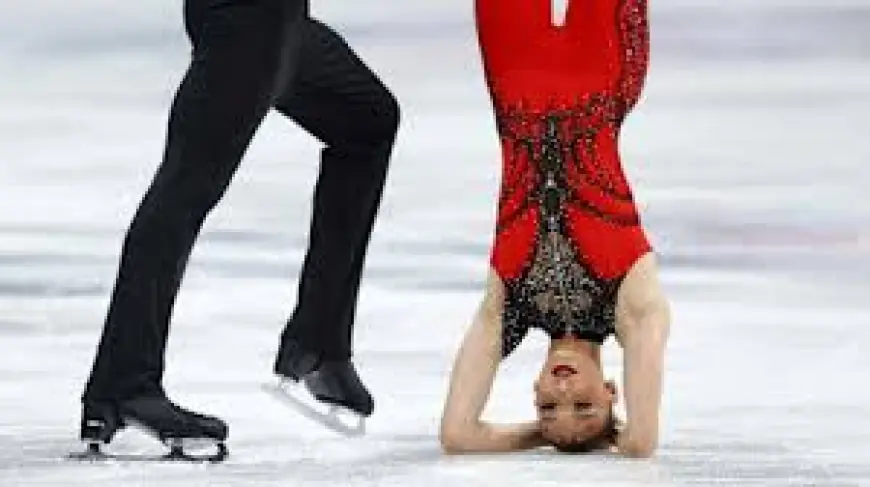
Updated Feb. 16, 2026, 2: 00 p. m. ET — Interest in the country of Georgia has surged among figure skating fans, and Luka Berulava’s name is increasingly tied to that conversation. As global attention returns to Olympic skating, questions about where Georgia is and what makes it distinct have accompanied coverage of the sport.
Why Georgia has moved into the skating spotlight
Figure skating coverage this season has highlighted performances that put smaller federations in the spotlight, prompting audiences to ask which nations those athletes represent. That renewed focus extended to Georgia after notable displays on the ice drew attention to skaters linked with the country.
Georgia occupies a transitional geographic and cultural space. It sits at the eastern edge of what is typically considered Europe and the western edge of Asia, sharing borders with larger neighbors to the north and south. In international sport, Georgia competes against European nations in many disciplines, which shapes perceptions of its identity in events such as figure skating.
Where Luka Berulava fits in
Luka Berulava is a Georgian figure skater whose name has surfaced alongside the national conversation around Olympic skating. For fans encountering the country for the first time through coverage of skaters, Berulava serves as a recognizable connection to Georgia’s presence on the ice.
While headlines often focus on standout performances by a handful of skaters, athletes like Berulava help broaden the narrative beyond powerhouse nations. Their participation underscores how Olympic and international figure skating now features a wider geographic spread, bringing new national stories — and new questions from viewers — into the mix.
What fans should know about the country behind the skaters
The country of Georgia has its own distinct language and alphabet. Georgian is the primary language, and its script is unique within the region. Because Georgia was part of the Soviet Union until the early 1990s, Russian remains spoken by some residents, and English usage is on the rise as international engagement grows.
Geography and language often shape how audiences interpret athletes’ national affiliations. For many fans, realizing that Georgia is an independent nation with a long cultural history helps contextualize why its athletes compete under that banner and why those athletes’ backgrounds may differ from neighboring countries.
As international figure skating continues to showcase talent from a broader set of countries, names like Luka Berulava will likely prompt more viewers to learn about the nations represented on the ice. That curiosity can deepen fan engagement and expand the storylines around Olympic competition beyond the familiar powerhouses.
Expect the conversation to continue: the combination of memorable performances and an increasingly global field means national identities — geographic, linguistic and cultural — will remain part of the narrative as competitions unfold.