

























Federica Brignone’s comeback culminates in giant slalom gold after season‑ending crash and recovery

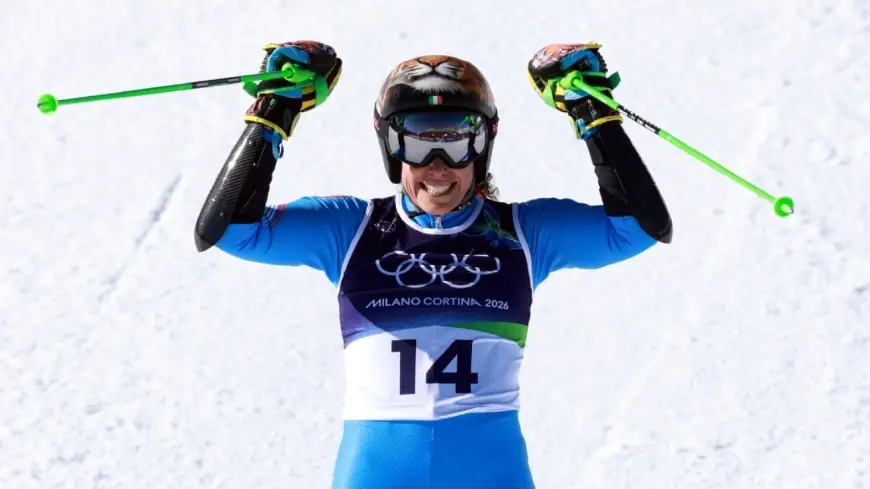
Federica Brignone claimed a second gold medal on Sunday (ET), winning the Olympic giant slalom in Cortina d’Ampezzo and completing a storybook return from a March crash that required surgery and left her unable to walk for months. The 35‑year‑old Italian took the lead after the first run and delivered a flawless second descent to finish well clear of the field, while Mikaela Shiffrin ended the race in 11th.
From broken leg to double Olympic champion
Brignone’s victory arrived just 72 hours after she powered to the super‑G title, underlining a recovery few expected given the severity of her injury. The crash in March fractured multiple bones in her left leg and necessitated surgery with screws and a metal plate; she could not walk until the summer and returned to racing only weeks ago. That history of trauma — often referenced online under searches for "federica brignone crash" — magnified the achievement in front of a raucous home crowd on the sunlit Olympia delle Tofane course.
After a composed first run that put her 0. 34 seconds ahead, Brignone produced a clean, controlled second run in ideal conditions among the Dolomites. She crossed the line 0. 62 seconds ahead of the joint silver medalists, Sweden’s defending champion and a Norwegian racer who shared second place. Brignone admitted she still feels pain daily and said she would trade the medals to be rid of the lingering effects of her injury, a sobering reminder of the cost behind the triumph.
The result capped a transformation from world champion to twice Olympic gold medalist at home — a comeback that teammates and rivals acknowledged with visible respect on the finish hill. Two skiers dropped to their knees and bowed toward Brignone after the race, a gesture reflecting both admiration for her Olympic form and sympathy for the long recovery she has endured.
Shiffrin short of a medal but signs of recovery
Mikaela Shiffrin, racing on a course set by her own head coach, finished 11th, 0. 92 seconds off the lead. While outside the podium positions, the American’s placement — sitting roughly 0. 30 seconds behind second place at one stage — offered reasons for cautious optimism as she eyes the slalom, an event where she has historically excelled.
Shiffrin showed no visible frustration after her second run, waving to fans and acknowledging the crowd. She praised Brignone’s performance, calling it one of the best displays of giant slalom skiing in recent memory and noting the added drama of it unfolding at the Olympics when the sport has a global stage.
The result extends a difficult Olympic stretch for Shiffrin in terms of podium finishes, but her proximity to the leaders on a flat, technical course suggests she remains competitive heading into the remaining races.
What the win means for Alpine skiing
Brignone’s double gold is more than personal vindication; it amplifies the narratives that shape elite Alpine skiing — resilience, risk and the fine margins between victory and injury. Her dramatic return from a career‑threatening crash has riveted fans and fellow racers alike, and the emotional reaction on the hill highlighted how much her presence means to the sport.
For Brignone, the triumph is a testament to rehabilitation and willpower: she was world champion in giant slalom less than a year ago, then faced a forced layoff and rebuilt strength and confidence to peak again at the most important moment. The medals will now focus attention on how athletes and teams manage recovery timelines, mental fortitude and the physical toll that elite skiing demands.
As the Games progress, all eyes will be on the slalom where Shiffrin is expected to mount a serious challenge, and on Brignone to see whether the Italian can extend her golden run into another event. Either way, Sunday’s result will be remembered as one of the sport’s more dramatic comebacks.