

























Government Fuels ‘Artificial’ Land Demand Amid Australia’s Housing Crisis

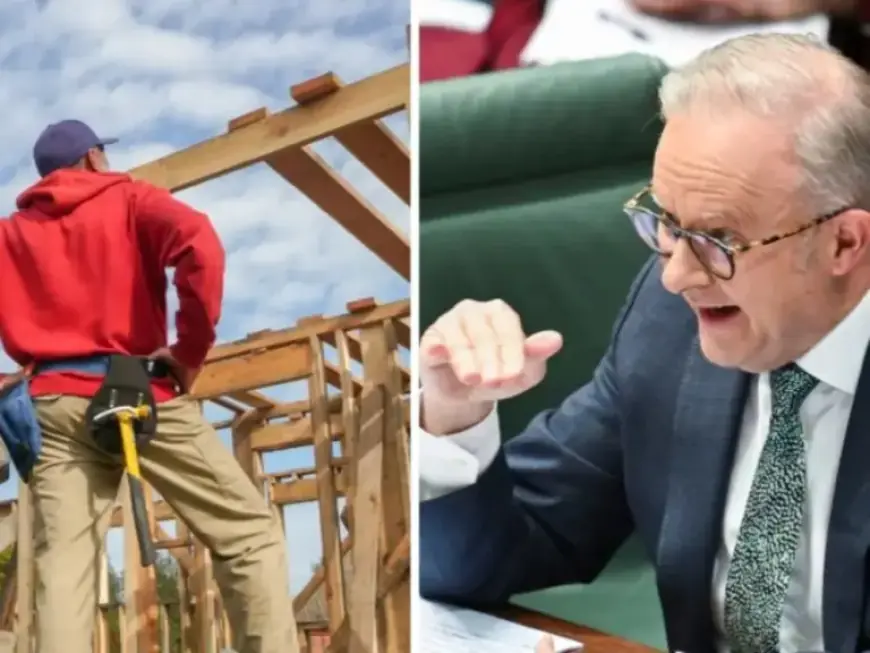
The Australian housing market is facing significant challenges, largely attributed to government policies impacting land prices. A recent report from the Housing Industry Association (HIA) highlights how these policies are contributing to escalating land costs across the nation.
Record High Land Prices
In September, the average price of land in Australia reached a staggering $391,420. This figure represents a sixfold increase from the year 2000 and is particularly pronounced in major cities.
Regional Price Variations
- Land prices in Melbourne, Brisbane, Adelaide, and Hobart have doubled over the past decade.
- Sydney, however, has seen a 67% increase, despite a decrease in average block sizes.
- The only major city to experience an increase in typical land size is Brisbane, which grew from 450 square meters to approximately 506 square meters.
The current land price trends reveal that Sydney buyers are now paying an additional $1,000 per square meter, while those in Melbourne, Adelaide, and Brisbane face average hikes of $500.
Government Role in Housing Crisis
The HIA’s Residential Land Report emphasizes that the current housing crisis is largely a “government policy-induced market failure.” The limitations in land supply have driven prices upward, as developers bear the costs of infrastructure, which were previously less burdensome.
The Infrastructure Funding Dilemma
HIA chief economist Tim Reardon pointed out that the costs of making land available for construction, including necessary infrastructure, are pushing homebuyers further away from affordable housing options. The government could alleviate some of this burden by revising policies around upfront infrastructure fees.
Reardon argues that the best solution for government revenue is to increase the number of homes built, which could generate around $200,000 in direct taxation per home. By adjusting the funding strategies for infrastructure, the government could speed up land supply and stabilize prices.
Historical Influences on Pricing
Government actions over the last 25 years have significantly impacted land prices. Notable events include:
- The introduction of home grants by the Howard government in 2001.
- A land shortage crisis in 2017.
- The Homebuilder scheme during the Morrison administration in 2020 and 2021.
More recently, the Albanese government has faced scrutiny for expanding the First Home Guarantee scheme, which has effectively removed caps on its availability. This has raised concerns regarding its influence on housing prices.
Market Impacts and Future Considerations
While some industry leaders like Villawood Properties’ Rory Costelloe acknowledge that industry greed plays a role in price hikes, they assert that substantial increases in supply could help avert further inflation.
Overall, the combination of government policies, market dynamics, and rising costs of land development remains a significant challenge for homebuyers in Australia. Adjustments to both policy and infrastructure funding could be critical in addressing the ongoing housing crisis.