






















Adam Silver Addresses Tanking, Fines and the NBA’s Integrity Problem at All-Star Availability

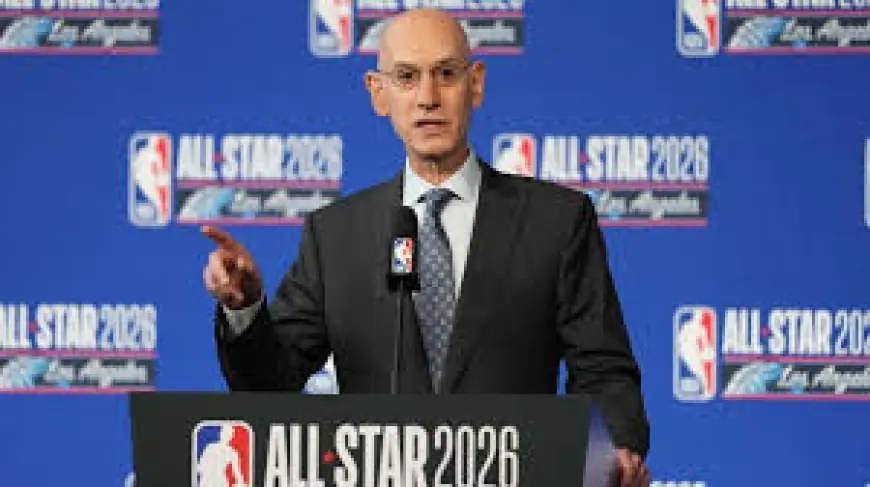
NBA commissioner Adam Silver used a Saturday media availability at the All-Star venue to defend recent fines for conduct the league deems detrimental to competition, but his remarks underscored how difficult it will be to design a lasting fix. Silver reiterated the office will watch team behavior more closely after $500, 000 and $100, 000 penalties were levied, yet offered few immediate policy specifics.
Commissioner reiterates penalties, warns of closer scrutiny
Silver framed the fines as a necessary response to what he described as worsening conduct this season. He directly questioned whether behavior is worse than in recent memory, saying, “Yes, it is my view. ” The penalties were handed down after the league concluded two franchises had acted in ways that compromised the integrity of games: one team was fined half a million dollars and another six figures for violations tied to player availability in close contests.
“We're going to be looking more closely at the totality of all the circumstances this season in terms of teams' behavior, and very intentionally wanted teams to be on notice, ” Silver said. He acknowledged the league’s role in protecting competition while stressing that the draft’s underlying theory is to help worse-performing teams restock and compete, not to create incentives to lose.
Tanking debate exposed deeper incentives and limited short-term answers
Silver’s strongest public comments centered on the delicate balance between preserving parity and preventing teams from gaming the system. “Part of the problem is if you step back, ” he said, “the fundamental theory behind a draft is to help your worst-performing teams restock and be able to compete, and by the way, yes, we want parity, but parity of opportunity. ”
Yet Silver also acknowledged a persistent gray area: teams can credibly argue player rest and load management are part of the competitive calculus, while others appear to prioritize draft positioning in ways the league finds unacceptable. He noted conversations with general managers and coaches suggesting there may be more parity across the league than records indicate, complicating any one-size-fits-all fix.
Silver hinted at ongoing work with governance committees to devise further measures, but stopped short of announcing immediate rule changes. That left reporters and league observers with the sense that while enforcement actions are likely to continue, durable structural reforms remain a work in progress.
What comes next for policy and perception
The fines signal the league will not tolerate overt acts that prioritize draft positioning over on-court competition. Still, meaningful change will require altering the incentives that make losing strategically attractive for some franchises. Potential options under discussion include limits on pick protections, earlier lottery locks, or adjustments to how lottery odds are distributed — all complex reforms that carry trade-offs.
Silver made clear the league is serious about addressing conduct that undermines games, but he also acknowledged the difficulty of erasing incentives that stem from the draft and roster-building rules themselves. For now, teams have been placed on notice that behavior deemed detrimental to the integrity of competition can result in substantial fines and intensified scrutiny. Whether that deterrent will be enough, or whether the league will press forward with rule changes that materially reduce the benefits of losing, remains the central question for the months ahead.