

























Red Gerard clings to final berth in slopestyle qualifying as Menzies tops field

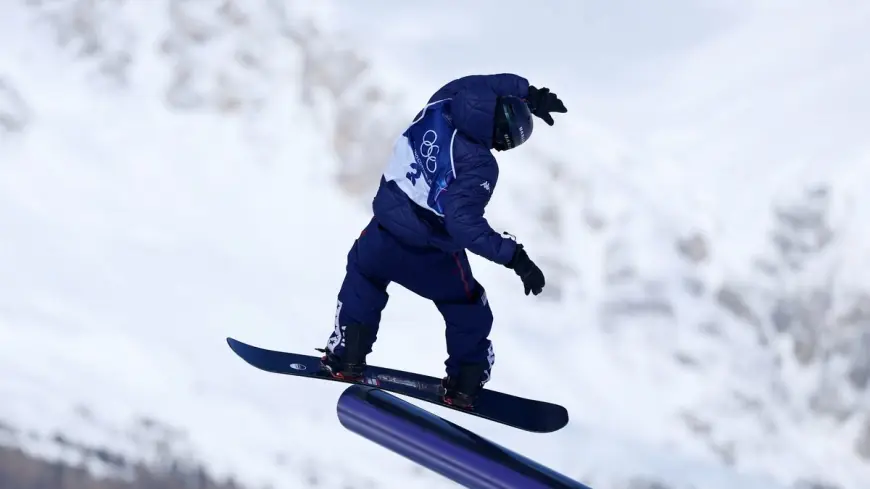
Red Gerard survived a tense qualifying session to secure the final men’s slopestyle spot, finishing 11th and advancing to the three-run final later this week. The defending Olympic gold medalist rattled through a nervy session in Livigno but did enough to hold off a swarming chase of riders hungry for the remaining slots.
Gerard on the knife edge
The 25-year-old delivered two contrasting runs in the qualifying round. An early stumble on the opening rail left him with a 57. 43 on his first attempt despite sticking the jump line. He cleaned up the rails on his second run and landed most of his features, though he came down sketchy on a frontside 1440 to post a 70. 00. That score carried him into the top 12—briefly—and eventually settled in 11th as the field shuffled late in the session.
Gerard described the format and depth of the field as brutal. "Slopestyle is in this point right now where there's 30 riders in here, and all 30 of those riders can win the contest, " he said. "It's just such a heavy game. So you're sitting there just nervous as all heck. " Family and friends packed the cheering section, providing a familiar boost as he waited out the remainder of the round while dozens of riders tried to dislodge him from the bubble.
Two fellow Americans also advanced: Ollie Martin, who posted a strong 78. 30 to sit sixth, and Jake Canter, who earned 70. 53 to finish 10th. Martin, 17, said slopestyle suits his style and creativity, calling the event "more creative" and noting it felt safer after his near-podium big air performance earlier in the Games.
Menzies leads a stacked qualifying; McMorris and Kleveland impress
New Zealander Dane Menzies led qualifying with an 86. 06, delivering one of the day’s highest-scoring moments: a near-perfect boardslide 270 off the opening rail that judges rewarded with a 9. 80 in the top section. The 20-year-old also hit a rainbow rail with a switch variation, combining technical rails work with big jumps to top the leaderboard.
Marcus Kleveland of Norway (81. 86) and Canada's Mark McMorris (81. 81) rounded out the top three. McMorris returned aggressively after a practice crash earlier in the Games that forced him out of big air competition with a head injury; he passed medical checks and unleashed a first run that included a switch backside 1620, a backside triple cork 1440 and a frontside 1440.
The qualifying session was fiercely contested from the start. Just three riders in, Canter landed a backside 1800 to put early pressure on the field, and McMorris raised the stakes shortly thereafter with his massive jump package. Many competitors pushed technical rail variations as well as high-difficulty aerials, underscoring how unpredictable the final will be.
Final outlook and schedule
Organizers moved up qualification timing in the days leading up to the event because of an expected weather window, a change that left some riders improvising their preparation. Gerard said he learned of the shift late in the day before qualifying, while others discovered schedule changes in different moments during the evening.
With the top 12 set, the men’s slopestyle final is scheduled for Wednesday, Feb. 18, at 6: 30 a. m. ET. Expect a three-run final in which riders will balance rail creativity and massive aerials—and where anything can happen. Gerard will enter the final knowing he has to sharpen both sections of his run if he wants to make a charge for a second Olympic gold.
"I'll look at probably the top section of the course, the rails, and look at other people's runs on what the judges liked, and do a little bit more homework, " Gerard said. "You're about to show your personality more with the course. "