























"The deeper the deficit, the more fun it is, sometimes" - Kobe Bryant once revealed why he loved high-pressure moments

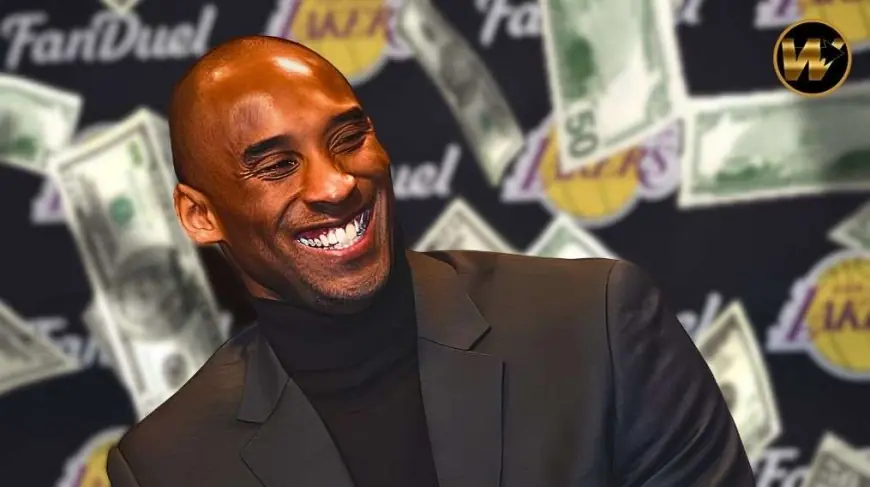
Few athletes embraced pressure the way Kobe Bryant did. The late Los Angeles Lakers star made a career of turning late-game adversity into highlight-reel moments, and he often framed that ability as a preference as much as a talent. Bryant’s own reflections on why he welcomed the tightest moments offer a window into the mindset that produced countless clutch plays and a lasting cultural impact.
Welcome the challenge: fun in the deficit
Bryant openly described the emotional thrill of being behind late in games. In a 2013 interview he said, "The deeper the deficit, the more fun it is, sometimes. Really. " For him, the sting of being down translated into motivation. He explained that pulling a team back from the brink changed the way teammates looked at a leader — an exchange of trust that fed his competitive instincts.
That dynamic shows up repeatedly in game film: moments when teammates searched for one player and that player delivered. Bryant put it plainly about his late-game approach: "Right now I'm comfortable being the number one option in the fourth [quarter]. You know, you just kinda wait, put it in cruise control, you don't attack, you pick your spots-bam, bam, bam. That two minutes shows up on the clock [laughs] all right, let's go. Just give me the ball. " Whether it was a pull-up jumper, a fadeaway or a decisive drive, his timing and decisiveness were as important as shot-making ability.
Preparation, experience and the hard lessons
Bryant resisted the idea that clutch performance was merely genetic. He described his composure as the product of years of work and repeated exposure to every possible game scenario. He framed his calmness as maturation, the result of seeing "everything the game can dish out. " That perspective turned failures into learning: Bryant pointed to early career mistakes — even embarrassing misses — as part of the schooling that made him steady under pressure later on.
He emphasized long-term training across physical, mental and emotional lines. For Bryant, clutch moments were not improvisation; they were the payoff for predictable preparation. The result was a player who repeatedly seemed to know exactly what to do in late-game sequences, a reputation that inspired teammates and opponents alike.
Legacy beyond the buzzer
Bryant's ability to thrive under pressure became part of his broader legacy. His final NBA night — a 60-point performance that closed his career — read like a microcosm of that mentality: clutch instincts, relentless work ethic and an appetite for dramatic moments. Off the court, that reputation helped sustain a post-playing career that included storytelling, business ventures and an estate that has continued to support his family and projects. Estimates place the value of the estate at roughly $600 million as of early 2026.
The human side of his mystique shows up in small anecdotes as well. A former teammate recalled a moment when Bryant made a one-time exception to sign a pair of older-brand shoes for a peer — a personal gesture that underscored the quiet ways he connected with others while maintaining an intense competitive identity.
More than any single shot or headline, Bryant’s reflections on pressure — that it could be fun, that it could be a proving ground — illuminate why he was able to create so many defining moments. He built a career around turning the most stressful minutes into opportunities, and that approach remains central to how fans, players and analysts remember him: a competitor who relished the test and perfected the response.