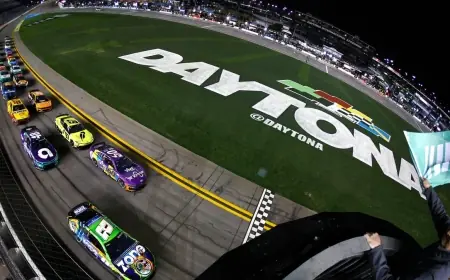





















Ty Gibbs Prepares for Daytona 500 as Heat, Wind and Late Storm Threat Loom

Ty Gibbs arrives at Daytona carrying the usual mix of speed and scrutiny as race day approaches. Forecasters expect hot, gusty conditions for the main event with the threat of stronger storms after sundown. A temporary outage on the sport's official website tied to a security block also limited public access to some race-day updates, adding a minor layer of uncertainty for teams and fans.
Race-day forecast and how it could affect Gibbs
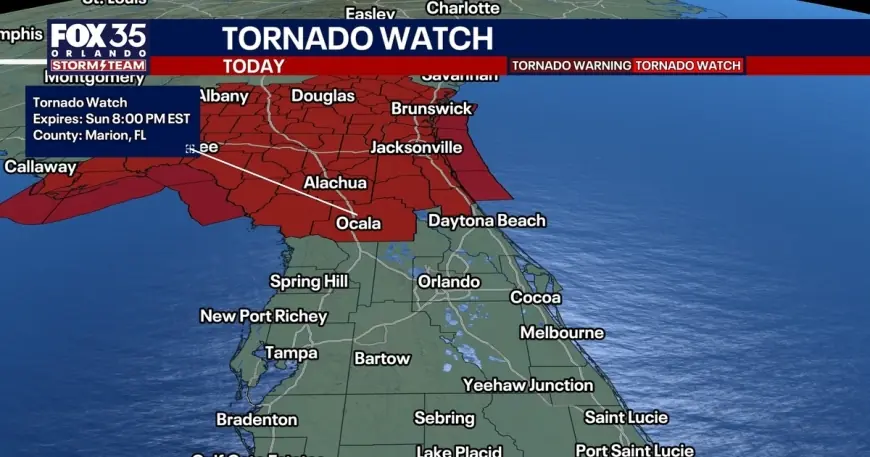
The track is expected to bake under warm temperatures with sustained southerly winds and elevated gusts. Forecasts show daytime highs in the 80s and sustained winds around the mid-20s in miles per hour, with the potential for gusts to strengthen later in the evening. Stronger storms are expected to arrive after sunset, with the window for the heaviest activity running between 7 p. m. and midnight ET.
Those weather elements can alter car behavior significantly. Heat typically increases tire degradation and track slickness, demanding sharper pit strategy and more aggressive management of tire life. Strong crosswinds and gusts can upset aerodynamic balance, particularly in close-quarters drafting and through the tri-oval, making throttle control and line selection even more critical. If the evening threat materializes into storms, teams must be ready for cautions or a shortened running window, which would reward aggressive positioning and opportunistic pit calls.
For Gibbs, who has shown both qualifying speed and racecraft on superspeedways, the challenge will be balancing aggression with patience. Securing a track position before the late shake-ups — pit cycles, restarts or weather-induced stoppages — will be a key element of any successful finish.
Communication snag adds uncertainty for teams and fans
Race officials' online portal experienced a temporary interruption tied to a security measure that blocked access to parts of the site. The block stemmed from an automated protection system designed to shield the platform from malicious traffic, which in turn triggered limited availability for some users seeking schedules, live updates and official bulletins.
While major teams operate with their own direct channels of communication and race control is in regular contact with crews on the ground, the brief disruption complicated information flow to casual fans and some media. Trackside announcements, broadcast coverage and team radio remained the primary ways to stay informed, and officials moved to restore full access as quickly as possible.
The outage underscores how modern race weekends depend on a mix of digital and on-site communications. For drivers like Gibbs, the practical impact was minimal in terms of strategy, but the interruption highlighted the importance of redundant information sources for supporters following the event remotely.
Key strategic factors to watch
Several on-track elements will shape Gibbs' chances at a strong finish. Pit strategy looms large — the timing of stops relative to stage breaks and potential weather-related cautions could dramatically alter the running order. Managing tire wear and fuel windows under a hot track surface will test crew chiefs’ willingness to roll the dice on short pit windows versus longer, more conventional calls.
Restarts and pack dynamics remain decisive at superspeedway events. Crosswinds and gusts inject additional variability into restart lines and side-by-side battles, increasing the chance for multi-car incidents. If storms move in late, teams that secure track position early and avoid being caught out on pit cycles will be best placed to capitalize.
As the event unfolds, expect teams to monitor both the meteorological timeline and the track’s evolving grip levels closely. For Ty Gibbs, marrying his raw speed with situational awareness and a flexible pit plan will be essential to navigating a day that could swing from bright and hot to unsettled and stormy by nightfall.