























Kelly Curtis Eyes Bigger Heights in Skeleton at Milano‑Cortina 2026

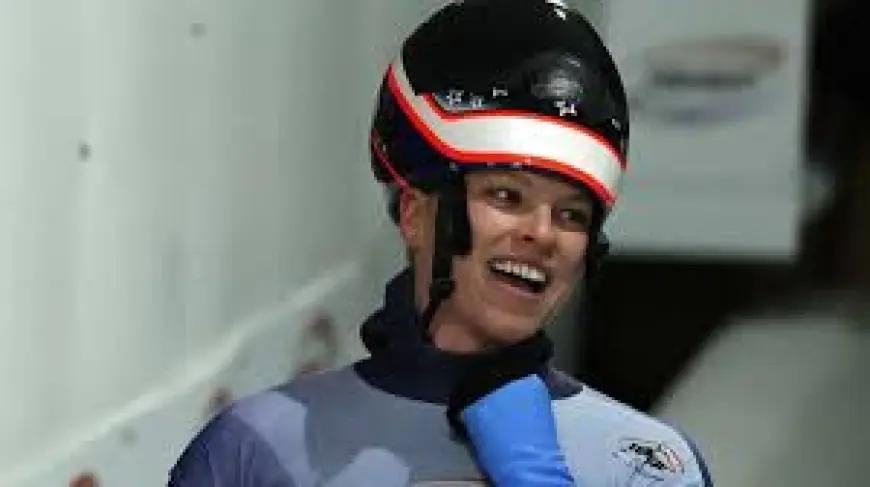
Kelly Curtis, the Air Force Staff Sgt. who made history as the first Black athlete to represent the United States in Olympic skeleton, is back on the start house for Milano‑Cortina 2026. The 37‑year‑old’s route to a second Winter Games has been defined by strategic moves, a return from childbirth, and a late‑career spike in World Cup form that has her dreaming of a podium run.
From heptathlon to hurtling down ice
Curtis’s sporting life began on the track as a collegiate heptathlete. A short introduction to sliding in 2013 at bobsled driving school quickly became a career pivot: after a push from coaches and a first run that left her wanting more, she committed to skeleton — the sport where athletes fly down an icy chute headfirst at nearly 90 mph. "At the bottom, you’re just checking to make sure everything’s still there, and then you’re like, ‘All right, how can I go again faster?, '" she said of that initial run.
Her ascent through the sport led to a breakthrough in 2022 when she became the first Black American to slide skeleton for the country at the Winter Olympics. That milestone was only the beginning. Curtis parlayed the profile and experience into a role with the military’s World Class Athlete Program, enlisting in the Air Force in August 2020 so she could train and compete while serving.
Strategic relocation, World Cup momentum
Recognizing that most elite sliding events occur on European tracks, Curtis requested a permanent change of station to Aviano Air Base in northern Italy to be closer to the circuit. The base sits about 87 miles southeast of Cortina, and living there allowed her to spend offseasons practicing on local push tracks and making frequent trips to Cortina for on‑ice work. The move was part of a five‑year plan she laid out to secure a second Olympic berth.
The geographic decision has paid dividends. Curtis climbed into the world rankings — she sits among the top competitors internationally — and collected a season highlight with a runner‑up finish at a World Cup event in St. Moritz on Jan. 9 (ET). "Just enough that I can be delusional and dream big for these Games, " she said of the St. Moritz podium. "It shows me that when I slide my best, I am one of the best in the world. " Those results underline a campaign built on intentional choices: proximity to tracks, focused practice on push technique, and equipment and corner‑handling refinement.
Motherhood, military duty and medal ambitions
Curtis’s path back to the top has included personal milestones that reshaped her outlook. She took a season off after giving birth to her daughter, Maeve, on Nov. 20, 2023 (ET), describing the postpartum period as both humbling and transformative. She resumed physical training cautiously, emphasizing recovery and pelvic‑floor care before ramping up to competition. "It is so hard to articulate what it is like to become a mother for the first time, " she said. "The highs are even higher, the lows aren’t as low. I come back and I have a great day or I have a bad day, she just wants me. "
Balancing the demands of motherhood with travel, training and life in uniform has required logistical creativity: hauling sleds, baby gear and support personnel across Europe while maintaining competition routines. Wearing the Air Force uniform, she said, carries special meaning — representing her country, her service, and the communities that shaped her. That sense of responsibility has only sharpened her focus heading into the Milano‑Cortina competition, where she will contest the women’s skeleton and the mixed team relay at the Cortina Sliding Centre.
Curtis arrives in Italy with more than a decade of sliding experience, recent World Cup momentum, and fresh perspective shaped by parenthood and military service. As she lines up at the top of the track, her goals are clear: slide clean, push hard, and chase the kind of run that could put her among the medal contenders this week.