

























How to Get to Heaven from Belfast review — a deliriously funny, female-led murder caper you shouldn’t miss

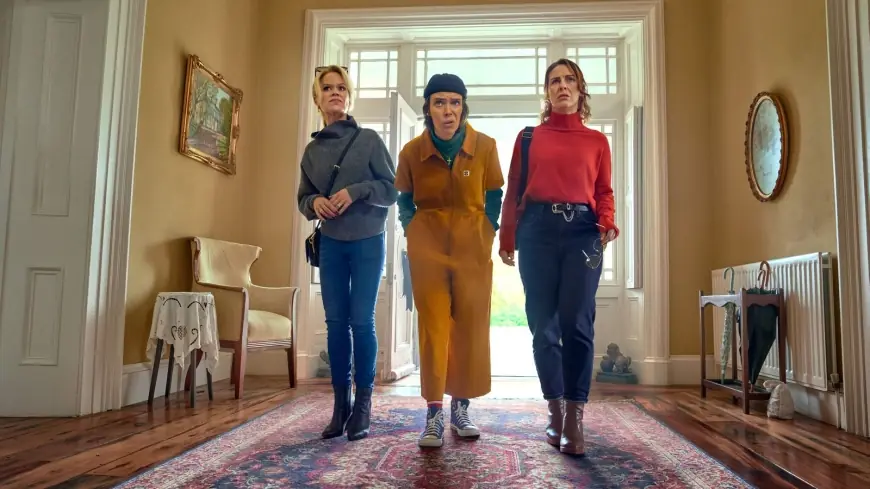
Lisa McGee returns with an eight-episode mystery that feels both comfortingly familiar and refreshingly new. Built on the writer’s trademark blend of chaotic humour and precise plotting, How to Get to Heaven from Belfast follows three former schoolfriends who reunite at a funeral and quickly find themselves chasing a decades-old secret. The result is a frenetic, witty caper that manages to be tender, dark and uproariously funny in equal measure.
A fizzy, female-led caper with bite
The premise is simple: Dara, Saoirse and Robyn come together to mourn their childhood fourth musketeer, Greta, only to suspect that the death—or disappearance—is not as straightforward as it seems. Flashbacks to a bloody night in a forest shack and a matching occult mark inject immediate mystery; a missing tattoo on the corpse at the wake escalates suspicion into full-on investigation. What could be a routine whodunnit is energised by McGee’s appetite for chaos. The show moves at a galloping pace, packing an impressive amount of narrative and comic set pieces into each episode without losing emotional grounding.
The tone will be familiar to anyone who enjoyed the creator’s earlier work: sharp dialogue, a fondness for small-town absurdity, and an affection for female friendships that both hold and complicate the plot. But this is not a retread. The new series leans harder into mystery tropes while keeping the messy, grounded humanity that makes the characters feel lived-in. Moments of domestic strain—Robyn’s fraught home life and Dara’s wary pragmatism—sit alongside wild, sometimes surreal comic beats, balancing heart and momentum with impressive control.
Standout performances and distinct voice
The cast anchors the material with winning chemistry. The three leads carry the show’s emotional weight and comic timing, trading barbs and confidences with the ease of old friends rediscovering each other. One performance in particular seizes the screen and elevates the series: Saoirse-Monica Jackson delivers scenes that are sensational in both comic precision and emotional truth, making her an arresting centre in a story that could otherwise splinter under its many plot turns.
Supporting roles add delicious menace and colour. A local police chief and a grieving mother loom over the investigation in ways that often feel more threatening than procedural obstacles, and the show’s ensemble brings a wide range of oddball, memorable characters who complicate the trio’s sleuthing. McGee’s ear for dialogue gives smaller moments a kernel of truth that lands as readily as the louder set pieces.
What this means for McGee’s storytelling
McGee has openly framed the new series as a playful take on classic mystery formats—part homage, part reinvention. She’s long loved murder mysteries and the show wears that influence proudly; it marries the pleasures of a traditional cosy with a contemporary, female-centred sensibility. The result is a show that refuses to be neatly boxed as either pure comedy or straight thriller. Instead, it delights in straddling both, asking what loyalty, guilt and the past owe to the present.
Beyond its immediate pleasures, the series signals McGee’s continued interest in expanding the kinds of stories told about Northern Ireland: vivid, specific, and not reducible to a single historical shorthand. This is an ambitious, entertaining series that rewards both fans of sharp, character-driven comedy and viewers hungry for a clever mystery. If you see one new thing this year, this caper is a strong contender.