

























Scotland vs England: Murrayfield mauling leaves questions for Borthwick as Dawson urges regroup

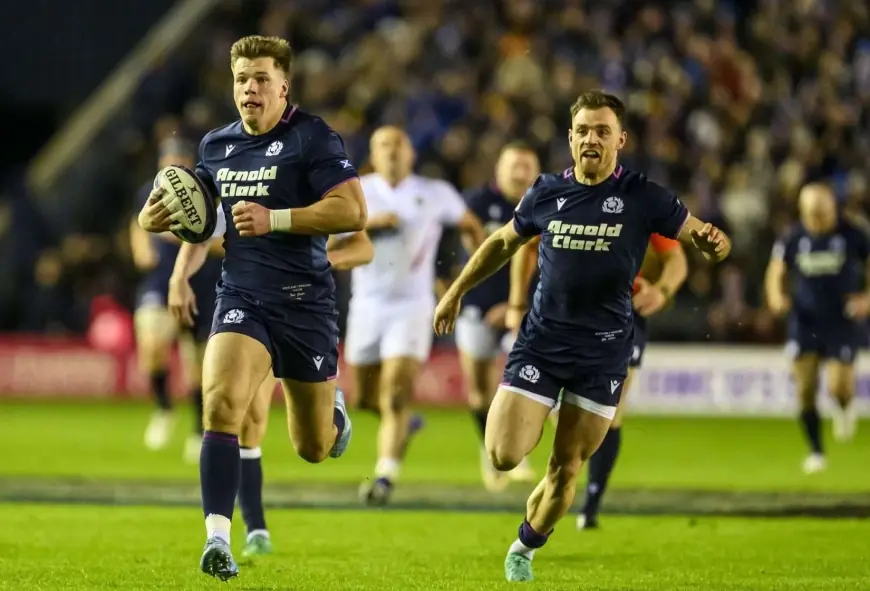
England's 14-try dreams were overturned by a robust Scotland performance at Murrayfield on Saturday, Feb. 14, 2026 (ET), a loss that shredded Grand Slam ambitions and leaves the head coach with urgent choices ahead of Ireland's visit to the Allianz Stadium. Former England scrum-half Matt Dawson wrote that the pain of defeat can sharpen a team, but tactical and selection riddles must be solved fast.
Dawson: use the Murrayfield pain to get better
In a reflective column, Matt Dawson urged calm and perspective after one of England's more bruising Six Nations defeats. He reminded readers that heavy losses can linger in a squad's memory but argued they can also prompt necessary recalibration before major tournaments. Dawson noted that while a Grand Slam opportunity has disappeared, the championship itself remains within reach if England can respond over the next fixtures.
He underlined the difference between home comfort and the tougher reality of winning on foreign soil, pointing to the value of developing a South African-style mentality: a culture that expects victory regardless of location. Dawson highlighted that Borthwick has yet to secure Six Nations wins in Scotland, Ireland or France and suggested that big away victories are a prerequisite for genuine World Cup-ready credentials.
Tactical cracks and selection headaches for Borthwick
Post-match analysis has focused heavily on structural issues visible at Murrayfield. England were undone by a run of errors that started early and mounted: ill-discipline, costly yellow cards for Henry Arundell, a charged-down drop-goal attempt, and a string of missed tackles — 20 in the first half alone. Those individual failings exposed deeper problems in game management, decision-making and balance.
One persistent theme was the reliance on a kicking game that produced limited reward. The absence of a consistent second playmaker also robbed England of fluidity and quick ball movement. At a critical juncture in the second half, with momentum potentially shifting, the team opted for a penalty kick rather than pressing an advantage from scrum dominance — a choice now scrutinized as a missed chance to change the scoreboard line.
Selection debates will intensify this week. Calls are growing for the head coach to restore Ollie Lawrence to the starting midfield, reversing an experiment that put a lone centre in a hybrid role and left some creative avenues shut down. There are also questions about wing and back-three configuration after a game where both strike power and composure were tested harshly.
Scotland's execution and individual standouts
Scotland executed a fast start and sustained pressure, capitalizing on England's miscues with clinical finishing and intelligent kicking. The hosts' midfield partnership combined directness and guile to keep England off balance, while their man-of-the-moment performances in key areas tilted the contest early and often.
On the England side, there were flashes of quality — periods of scrum ascendancy and moments when individuals showed their class — but they were outnumbered by unforced errors. Injury concerns also cropped up amid the intensity, and squad management will be a short-term headache as the team turns its attention to Ireland next weekend.
Looking ahead, England still have time to salvage a championship campaign if they can translate the lessons from Murrayfield into cleaner execution, smarter selection and the mental toughness Dawson called for. For now, the fixture will be remembered as a stark reminder that in this Six Nations era, away wins are the currency of long-term ambition and World Cup preparedness.