

























Crime 101 Movie Arrives in Theaters, Betting on a Gritty L.A. Heist Chase to Break Through the 2026 Box Office Noise

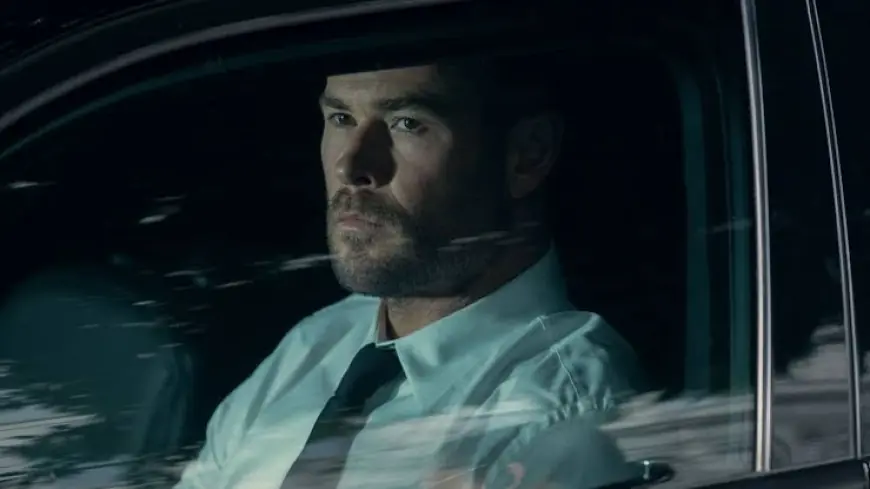
The Crime 101 movie has hit theaters in the United States as of Friday, February 13, 2026, bringing a sleek, sun-bleached Los Angeles crime story to the middle of a crowded winter release corridor. Built around a cat-and-mouse pursuit between a disciplined jewel thief and a relentless detective, the film is positioning itself as an adult-skewing alternative to louder franchise fare, with star power and a prestige-thriller tone meant to pull viewers who want tension over spectacle.
A key early signal: Crime 101 is being treated like an event film rather than a quiet genre drop, with a high-profile cast and a marketing push that leans into the film’s craftsmanship, coastal noir atmosphere, and the promise of a tightly plotted chase.
What the Crime 101 Movie Is About and Why It’s Landing Now
Crime 101 adapts a novella by Don Winslow, turning its premise into a two-hour crime thriller centered on a thief whose methodology is as important as his haul. The story’s engine is procedure: careful planning, rules designed to avoid violence, and the psychological wear that builds when one small deviation threatens the whole system.
Chris Hemsworth plays the thief, a professional who wants one last score and “walkaway money.” Mark Ruffalo plays the detective who connects patterns other people dismiss. Halle Berry plays an insurance-world insider whose own professional pressures make her susceptible to crossing a line. Barry Keoghan brings volatility as a younger, more reckless criminal presence that threatens to turn a controlled operation into chaos. Monica Barbaro, Corey Hawkins, Jennifer Jason Leigh, and Nick Nolte round out a cast designed to give the film emotional ballast beyond the heists.
The movie’s timing is strategic. Mid-February releases can thrive when they offer something clearly differentiated: adult tension, recognizable actors, and a clean premise that audiences can grasp fast. Crime 101 is aiming to be the “smart thriller” choice for couples and groups who want a night out that feels grounded and intense.
Behind the Headline: The Real Bet Crime 101 Is Making
The film’s biggest gamble is not the plot, it’s the audience. Crime 101 is banking on a meaningful chunk of moviegoers still wanting mid-budget-to-large-budget adult thrillers in theaters, not just at home. That is a commercial and cultural bet: can a crime movie that prizes mood, craft, and procedural detail still open strongly in a marketplace trained to wait?
For the stars, the incentives are clear. This is a credibility play as much as a ticket-sales play. A grounded crime thriller gives leading actors room to prove range, especially when their most famous roles are larger-than-life. For the director, Bart Layton, it’s an opportunity to translate a sharp, contained story into something cinematic without losing its discipline.
For exhibitors, the upside is equally practical. A taut thriller can play well across demographics, hold screens if word-of-mouth is strong, and provide counter-programming against effects-heavy competition.
Stakeholders: Who Gains, Who Loses, Who Has Leverage
Studios and financiers want a theatrical run that justifies the budget and lifts the film’s long-tail value in later windows.
The creative team wants critical momentum that frames Crime 101 as a high-quality genre entry, not disposable content.
Theaters want repeatable adult attendance, the kind that can stabilize weekends outside tentpole season.
Audiences have the leverage now. If the movie feels like a must-see-in-a-theater experience, it wins. If it feels “good enough to wait,” it loses momentum quickly.
What We Still Don’t Know
Even with release week underway, several important pieces remain unsettled:
How strong the film’s word-of-mouth will be among casual viewers, not just thriller fans.
Whether the movie’s tone, cool and procedural, reads as gripping or emotionally distant for general audiences.
How steep the drop will be after opening weekend, which often reveals whether a thriller is a one-weekend curiosity or a steady performer.
When the film will arrive on at-home options, a factor that can siphon demand if the window feels short.
What Happens Next: 5 Realistic Scenarios and Their Triggers
-
Solid hold through late February
Trigger: strong audience recommendations driven by performances and tension, leading to smaller week-to-week drops. -
Front-loaded run with quick fade
Trigger: curiosity spikes opening weekend, but viewers decide it can be postponed, shrinking urgency. -
Breakout as the season’s adult thriller
Trigger: critical buzz and social chatter focus on craft, twists, and a standout supporting performance. -
Awards-season tailwind later in 2026
Trigger: acting or technical recognition puts the film back in the conversation months after release. -
Franchise or follow-up conversation begins
Trigger: the property’s world feels expandable, and the characters are strong enough to support additional stories.
Why It Matters
Crime 101 is a litmus test for whether polished, adult-focused crime thrillers can still command theatrical attention in 2026 without relying on brand universes. If it succeeds, it signals more greenlights for grounded genre films with big casts and serious tone. If it underperforms, it reinforces a growing industry reflex: save these stories for at-home viewing, where urgency is lower and the economics are different.
Either way, the movie is arriving at a moment when the definition of “theatrical-worthy” is still being renegotiated in real time, one opening weekend at a time.