























Daytona 500 Start Time Update for Sunday, February 15, 2026: Earlier Start, Weather Risk, and How to Watch on Sling

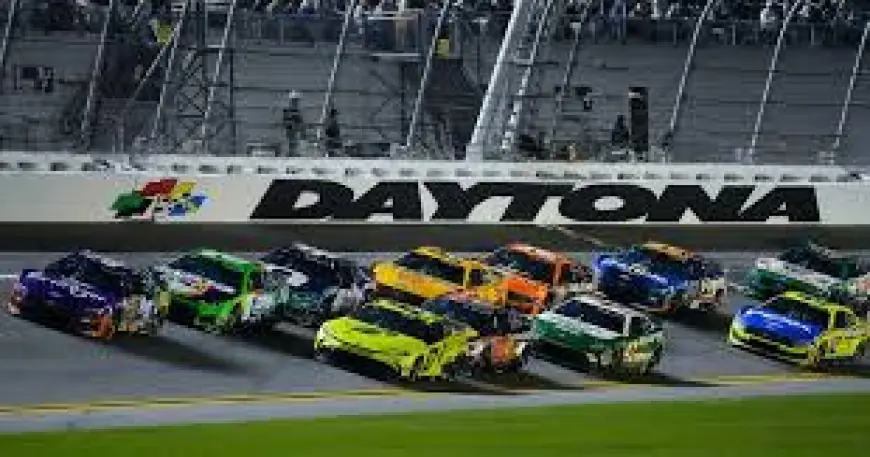
The Daytona 500 is set for Sunday, February 15, 2026, and the biggest change fans need to know is the clock: NASCAR moved the start window earlier because of worsening rain and thunderstorm risk later in the afternoon. That shift matters because Daytona is notoriously hard to “make up” once weather arrives, and a late interruption can push the race into extended delays or a Monday finish.
What time does the Daytona 500 start today in Eastern Time
For Sunday, February 15, 2026 (ET):
-
TV coverage start time: 1:30 p.m. ET
-
Expected green-flag time: about 2:13 p.m. ET
If you’re planning your day around the command, driver introductions, and pre-race ceremonies, aim for the 1:30 p.m. ET broadcast window. If you only care about the race getting underway, the green flag is expected a bit later.
Daytona 500 start time change: why NASCAR moved it up
The practical reason is weather timing. The forecast around Daytona Beach calls for storm chances increasing later Sunday, and NASCAR’s priority is to get as many laps as possible started before lightning, heavy rain, or track-drying delays take over.
Incentives are straightforward:
-
Teams want a clean, predictable start window because strategy at Daytona is already chaotic without weather.
-
NASCAR wants to avoid a prime-time drift where storms and lightning rules can freeze the event.
-
Fans in the stands and at home get a better chance at a complete 500-mile race when the first half is run under more stable conditions.
Daytona weather today and what it means for the race
Sunday’s Daytona Beach forecast calls for warm conditions with breezy skies and a growing risk of showers and spotty thunderstorms as the afternoon progresses. That mix is exactly what triggers a “start earlier” decision, because:
-
Even light rain stops racing on the oval.
-
Lightning rules can halt activity even if rain is not yet falling at the track.
-
Drying the surface can take significant time, especially if humidity stays high.
What to watch for during the race window:
-
Darkening skies and wind shifts, which can signal a storm line arriving faster than expected.
-
Any mention of lightning in the area, which can create lengthy stoppages.
-
A race that becomes more aggressive earlier than usual, as teams anticipate a shortened distance or a race that becomes official sooner than planned.
NASCAR today: is there a NASCAR race today and what’s on the schedule next
Yes, the NASCAR Cup Series is racing today with the Daytona 500 as the season opener.
Looking ahead on the NASCAR schedule, the next Cup Series points race is Sunday, February 22, 2026, in the afternoon (ET). If you’re tracking the early-season rhythm, Daytona sets the tone for superspeedway tactics and manufacturer momentum, but the following weeks quickly pivot to different track types and different competitive strengths.
Daytona 500 schedule: what happens before the green flag
Even with an earlier start window, the flow of Daytona 500 day typically looks like this:
-
Pre-race show and analysis
-
Driver introductions and ceremonies
-
Cars to the grid
-
Pace laps
-
Green flag
If weather looks threatening, teams and officials often compress timelines where possible, but some elements cannot be rushed. The key for viewers is that the listed broadcast start time is not the same as the green flag, and the green flag can slide a little depending on final track and ceremony timing.
How to watch the Daytona 500 on Sling
If you’re using Sling, the practical checklist is:
-
Make sure your plan includes the major national broadcast channel carrying the Daytona 500 in your market.
-
In many areas, that means Sling’s packages that include local broadcast-channel access, which can vary by ZIP code.
-
If you do not see the race channel listed live in your guide, it’s usually a market availability issue rather than a NASCAR issue.
If you’re setting this up last-minute, the safest move is to open the Sling channel guide early and confirm you can see the event in the live schedule before 1:30 p.m. ET.
What we still don’t know and what happens next
The missing piece is how fast storms build and whether lightning becomes a factor. Three realistic scenarios to watch:
-
Clean run with minor sprinkles that never reach the track, allowing a full-distance finish.
-
A mid-race stoppage and restart, where strategy flips from long-run planning to sprint execution.
-
A delay that pushes the finish late Sunday or into Monday, depending on the length of stoppages and track-drying time.
No matter which scenario plays out, the earlier start is NASCAR’s clearest signal that officials are trying to stay ahead of the weather rather than chase it.