

























Gavaskar tips India as favourites for Colombo IND‑PAK clash; shivam dube eyed as a potential X‑factor

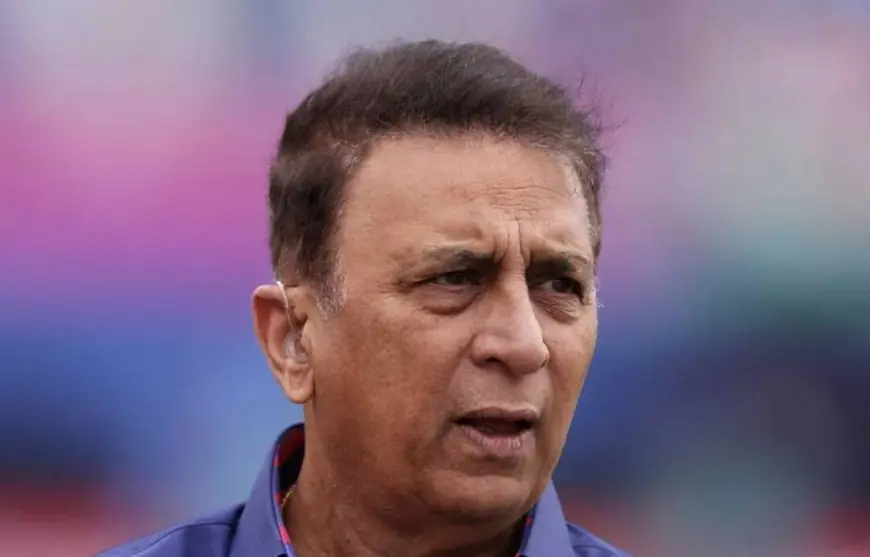
Sunil Gavaskar has laid out a bullish case for India ahead of the high‑stakes T20 World Cup 2026 meeting with Pakistan in Colombo, citing a combination of skill depth and psychological advantage. With Colombo’s fickle weather expected to be manageable, attention is also shifting to selection permutations — where shivam dube could provide added heft to India’s middle order.
Gavaskar’s take: weather won’t be the decider, India’s balance will
Gavaskar struck an upbeat tone on conditions in Sri Lanka, noting that showers in Colombo usually clear quickly and that the outfield dries fast. He played down fears of a washout and suggested that the playing conditions should not materially alter the contest. Gavaskar described India as stronger on paper and in temperament, listing a number of frontline options who can change the game in a flash.
On the match outlook, he placed India as clear favourites, putting the probability of an Indian win in the region of 70 percent and allowing for roughly a 30 percent chance that something unexpected — a blistering Pakistan powerplay or a special bowling spell — could shift the result. He also flagged Pakistan’s capacity to surprise through a handful of impact players but emphasised India’s greater spread of match‑winners across batting and bowling.
Where shivam dube fits: a brute force option for the middle order
Gavaskar named numerous indigenous game‑changers — from dynamic batters to all‑round match‑winners — when outlining India’s strengths. Even so, competition for batting slots remains intense, and shivam dube’s profile as a hard‑hitting left‑hander gives him a clear case for consideration.
Dube’s game is well suited to scenarios that demand quick runs and momentum shifts: a flattening, short‑boundary pitch or an innings requiring heavy hitting in the middle overs. In a contest where brief rain interruptions are likely to leave a damp outfield that then dries rapidly, teams often look for batters who can clear boundaries under variable bounce — an area where Dube’s power could be decisive. Selection would be a tactical call: he can complement more technically orthodox batters by providing late‑over fireworks or by accelerating the innings early if conditions and matchups allow.
Match markers: history, matchups and what to watch in Colombo
History leans heavily toward India in this rivalry. Across 16 T20 internationals, India have claimed 13 wins to Pakistan’s three. In T20 World Cup meetings specifically, India have prevailed in seven of eight contests, with Pakistan winning once and a separate match decided in a tie‑breaker. Those numbers form part of why experts view India as favourites heading into this showdown.
Key matchups to monitor include Pakistan’s strike bowling and the manner in which their power hitters navigate India’s varied attack. If Pakistan’s seamers produce something out of the blue in the powerplay or their batters find early momentum, the script could flip. For India, the focus will be on getting the balance right between powerful hitting and control, and whether selectors opt for specialist big hitters like shivam dube to inject brute force into the middle overs.
Finally, weather remains a talking point. Gavaskar’s assessment that Colombo’s showers tend to be short and the outfield dries quickly offers some reassurance that an uninterrupted T20 is the likeliest outcome, though contingency scenarios remain in play. For fans and team strategists alike, the match promises to be a tactical chess game in which small margins and a single explosive performance could determine the winner.