




















3 Point Contest 2026: Damian Lillard Wins Again as a Star-Heavy Field Turns All-Star Saturday Into a Pressure Test

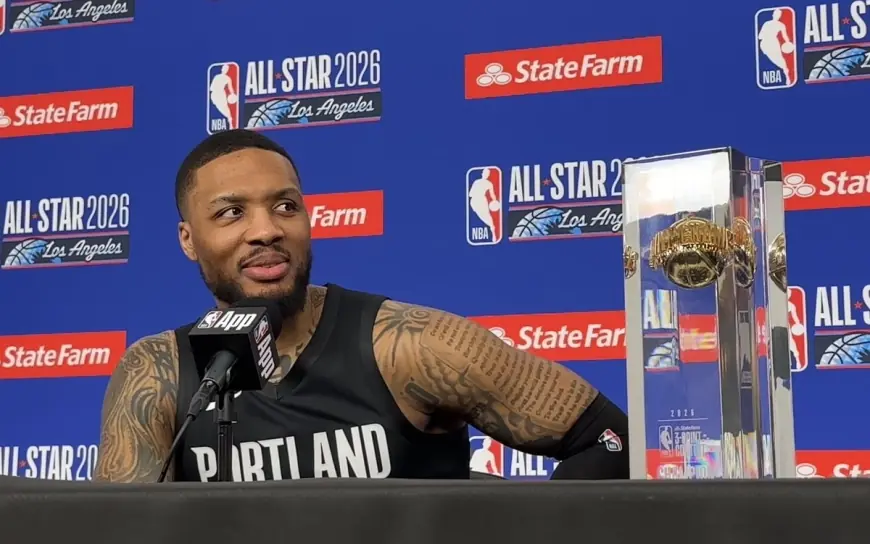
Damian Lillard added another line to his résumé on February 14, 2026, capturing the 3 Point Contest 2026 title in a finish that came down to the final rack. The headline isn’t just that Lillard won. It’s that he did it while sidelined this season with an Achilles injury, outdueling a loaded group of elite scorers and proving that rhythm, nerves, and shot selection still matter more than hype in a made-for-TV sprint.
The final round delivered the cleanest kind of drama: Lillard posted 29 points, Devin Booker answered with 27, and the margin stayed razor-thin until the last few attempts. With the contest leaning increasingly toward high-difficulty shots and tempo, Lillard’s ability to manage pace and stay composed under a ticking clock was the difference.
What happened in the 3 Point Contest 2026
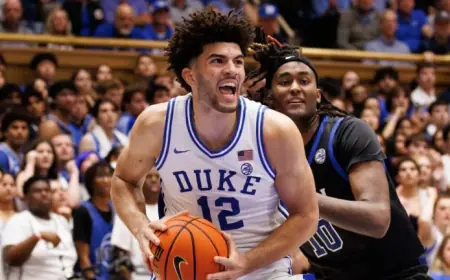
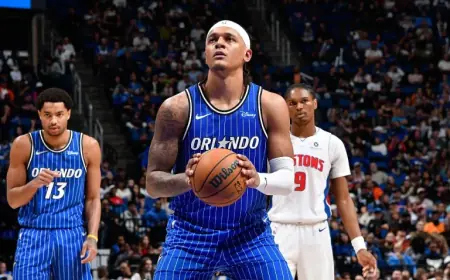
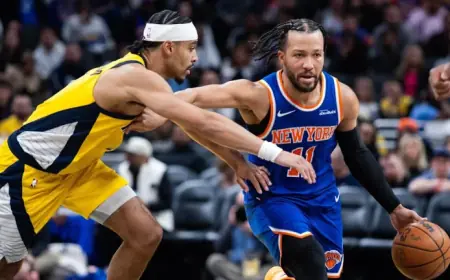
The 3 Point Contest 2026 featured an eight-player field that mixed proven stars with new faces. Among the finalists, Booker advanced and pushed the ending to the edge, while rookie Kon Knueppel made it to the last round before falling back.
Lillard’s closing score of 29 in the final put the pressure squarely on Booker, who stayed within reach deep into his last rack but ran out of makes at the end. Knueppel’s 17 in the final left the door open for the veterans, turning the title fight into a two-man duel.
Lillard’s win is his third career 3 Point Contest crown, putting him in rare historical company and reinforcing his identity as one of the era’s defining long-range shot-makers.
Behind the headline: why this win matters beyond a trophy
All-Star weekend events are often treated as side quests, but the 3 Point Contest has become a reputational arena. It’s short, unforgiving, and brutally public. You can’t hide a bad stretch behind defense, passing, or pace. That’s why a win like this carries weight, especially for a player who hasn’t been on the floor this season.
For Lillard, the incentives are clear. A high-profile win keeps him central to the league’s biggest midseason stage, strengthens his brand as a clutch shooter, and subtly reframes the injury story from absence to persistence. For the league, a recognizable star winning a signature event supports the broader goal of keeping All-Star Saturday feeling relevant and competitive.
For the other participants, the incentives vary. Veterans chase legacy moments and offseason marketing momentum. Younger players chase name recognition and a shortcut into the public conversation. And everyone is battling the same invisible opponent: the clock, the format, and the reality that even elite shooters can go cold for 70 seconds.
Stakeholders: who gains, who loses, who has leverage
Lillard gains the most immediate boost: visibility, confidence narrative, and a fresh highlight package that doesn’t require game film. Booker, despite finishing second, still benefits from looking like the primary challenger and delivering late-round suspense.
Rookies and first-time entrants gain exposure even without winning, but they also absorb the risk of being remembered for a low score. Coaches, trainers, and team decision-makers quietly watch too, because contests like this can influence how fans interpret a player’s shooting identity, even if it says little about in-game shot quality.
What we still don’t know
The big missing piece is what this performance does and does not indicate about Lillard’s readiness to return to NBA action. A timed shooting contest is not a full-speed game with contact, lateral movement, and fatigue from multiple defensive possessions. It shows touch and composure, not conditioning or durability.
We also don’t know whether future formats will continue nudging shooters toward deeper, riskier attempts. If the contest keeps rewarding long-range bombs, it may drift away from replicating the shot diet most teams actually want in tight games.
Second-order effects: the ripple impact of the 3 Point Contest 2026
This win will add fuel to a trend already shaping the sport: shooting as a standalone spectacle. Expect more players to treat offseason training like audition prep for high-visibility events, not just games. That can reshape skill development priorities, especially for young guards and wings who see fame as one contest away.
It also increases pressure on All-Star weekend to keep delivering real stakes. When the 3 Point Contest is the cleanest competition on the schedule, the league has an incentive to protect it, invest in it, and potentially innovate around it.
What happens next: realistic scenarios and triggers
-
Lillard’s season narrative shifts from injury-only to comeback buildup if his rehab milestones line up with a late-season return window. Trigger: team medical clearance and practice participation.
-
Booker returns next year with a “unfinished business” storyline, especially if he stays among the league’s most efficient high-volume shooters. Trigger: early-season shooting surge and fan momentum.
-
More top-tier stars opt in as the contest’s prestige rises. Trigger: continued prime-time spotlight and strong audience response.
-
The format evolves again to emphasize deeper shots or different pacing. Trigger: league feedback that the current structure needs fresh tension without turning into a novelty act.
The 3 Point Contest 2026 ended with a familiar lesson: the cleanest shooting mechanics in the world still have to survive a clock, a crowd, and the weight of one round where every miss echoes. Lillard survived it better than anyone.