

























Medal Count Olympics 2026: Stolz’s 500m Record Tightens Winter Games Medal Race

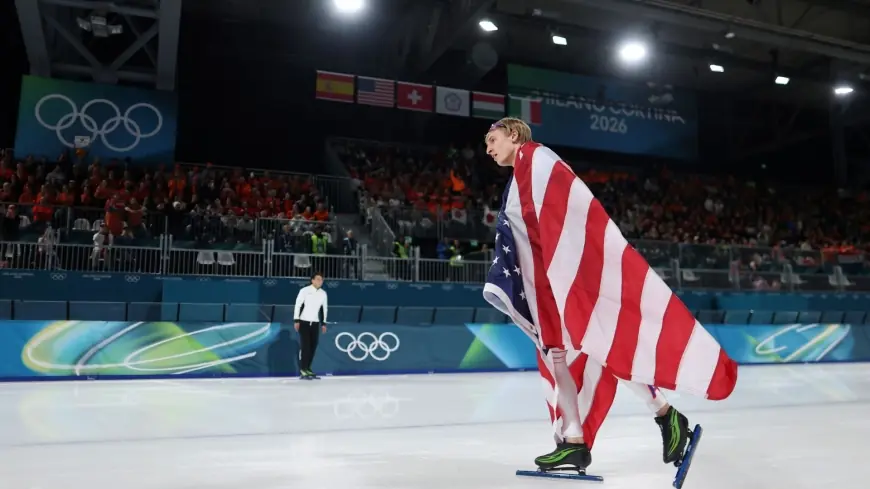
Jordan Stolz shattered the Olympic 500m record and captured his second gold at the Winter Games on Sunday, Feb. 15, 2026, handing his nation a vital boost in the overall medal count as the competition heads into its decisive phase. The result injects new momentum into an already tightly contested standings picture, where every podium now carries extra weight.
Stolz’s record-breaking run and immediate effects on the standings
Stolz’s blistering 500m delivered not only a headline-grabbing performance but also a practical shift in the medal ledger. The win adds a top-tier medal to his country's tally and underscores the athlete’s role as one of the breakout stars of these Games. His second gold arrives at a moment when leading nations are separated by only a handful of medals, meaning late-stage victories like this can swing perceptions—and strategic focus—overnight.
The 500m result also highlights how single events can disproportionately influence day-to-day ranking narratives. In sports with multiple medal opportunities—speed skating among them—a dominant individual can lift a nation's position more rapidly than in disciplines with fewer events. With Stolz now on two golds, attention will shift to whether teammates and rivals can capitalize in the remaining distances and relay events to maintain or overturn the current hierarchy.
Standings remain fluid as schedule ramps up
With the Games moving past midpoint, the overall medal count remains remarkably fluid. Several traditional winter-sport powers are clustered near the top, while smaller delegations have also chipped in unexpected podiums that complicate early predictions. The distribution of upcoming events—particularly those offering multiple medal opportunities in short succession—favors nations with depth across disciplines, leaving the final days wide open for dramatic swings.
Team strategies are shifting accordingly. Nations trailing by a medal or two are pushing athletes into every available final and optimizing pairings in team events that can yield multiple medals in quick order. For frontrunners, the imperative is to defend key events where margin for error is smallest. This dynamic is likely to produce a flurry of intense competition in the schedule’s final stretch, where recovery windows, ice or snow conditions, and split-second execution will determine medal outcomes.
What to watch next
The coming sessions will test whether Stolz’s momentum can be matched across other disciplines. Key contests in the next 48 to 72 hours include technical finals and endurance events where national depth will be decisive. Relay and team events are particularly consequential; a single sweep in a team discipline can leapfrog a country up the standings. Likewise, nations with balanced rosters across skating, skiing and sliding sports are best positioned to accumulate steady podiums.
Beyond raw numbers, the psychological boost of a high-profile record and an early gold is measurable. Athletes who see a teammate succeed at the highest level often carry that belief into their own performances, and national programs can leverage such moments for tactical confidence. Expect coaches and athletes to emphasize recoveries, marginal gains in equipment setup and tactical conservatism where appropriate to preserve medal prospects in back-to-back events.
As the Winter Games head toward their final days, the medal count is likely to remain a headline story. With top nations within striking distance of each other and individual stars continuing to post standout results, the race for podium supremacy promises to be decided in the next wave of finals and team competitions. Every lap, run and descent now matters for the overall tally, and Stolz’s 500m record is a timely reminder of how a single performance can reshape the medal narrative overnight.